


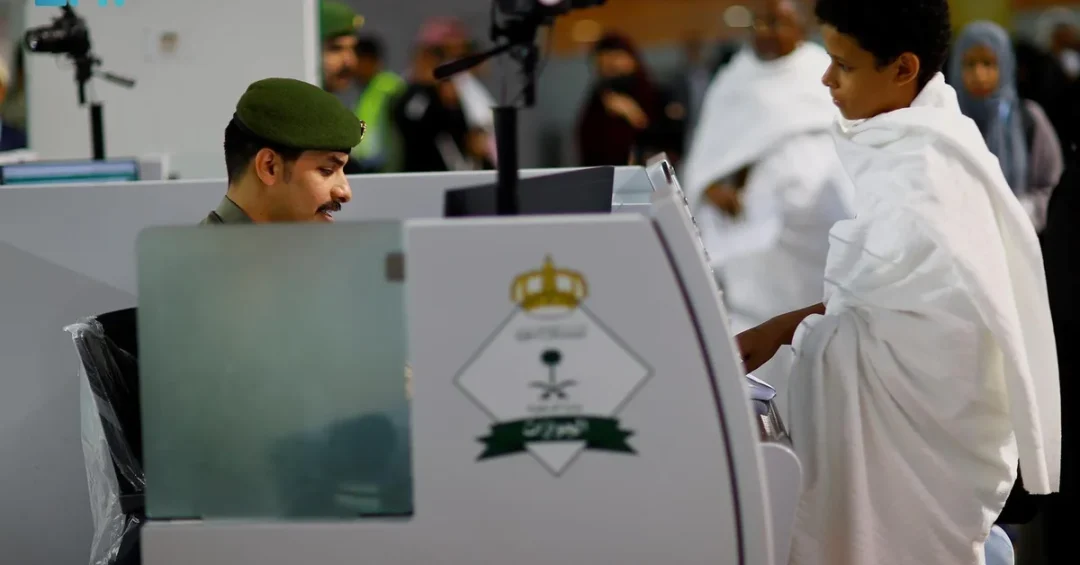
King Abdulaziz International Airport in Jeddah has received the first flights of Yemeni pilgrims arriving to perform Hajj rituals for the year 1445 AH, with immigration officers ensuring that entry procedures were carried out smoothly. The arrival marks the beginning of this year’s Hajj season, during which the Kingdom of Saudi Arabia expects to welcome millions of pilgrims from around the world. The General Directorate of Passports has deployed advanced technology and multilingual staff to facilitate the seamless entry of all pilgrims through the Kingdom’s international border crossings.
Context and Background
Hajj, the annual Islamic pilgrimage to Mecca, is one of the Five Pillars of Islam and a profound spiritual journey for Muslims worldwide. Each year, Saudi Arabia hosts millions of pilgrims, and the Kingdom’s authorities undertake extensive preparations to ensure their safety, comfort, and spiritual fulfillment. King Abdulaziz International Airport in Jeddah serves as a primary gateway for pilgrims arriving by air, particularly those from Yemen and other neighboring countries. The airport’s Hajj Terminal, one of the largest in the world, is specifically designed to accommodate the unique needs of pilgrims during the Hajj season.
Key Details
The General Directorate of Passports has equipped all international border crossings with state-of-the-art technology and trained personnel proficient in various languages spoken by pilgrims. This effort is part of a comprehensive strategy to streamline entry procedures and provide a welcoming experience. The smooth processing of Yemeni pilgrims at King Abdulaziz International Airport reflects the Kingdom’s commitment to facilitating the Hajj journey for all guests of God. The directorate’s measures include dedicated counters, biometric systems, and enhanced coordination with airlines and airport authorities to manage the influx efficiently.
Implications and Impact
The successful arrival of Yemeni pilgrims underscores Saudi Arabia’s logistical capabilities and its dedication to serving pilgrims despite regional challenges. It also highlights the Kingdom’s role as a stabilizing force in the region, ensuring that political circumstances do not hinder religious obligations. The seamless entry process enhances Saudi Arabia’s reputation as a gracious host and reinforces the spiritual significance of Hajj. Furthermore, it demonstrates the effectiveness of Saudi Arabia’s investments in airport infrastructure and border management technologies, which benefit not only pilgrims but also other travelers.
Vision 2030 Alignment
This achievement aligns with Saudi Vision 2030’s goals of enhancing the quality of services for pilgrims and increasing the capacity to host larger numbers of Umrah and Hajj performers. Under the vision, the Kingdom aims to diversify its economy and promote religious tourism as a key sector. The improvements at King Abdulaziz International Airport and other entry points are part of broader efforts to modernize infrastructure, improve the pilgrim experience, and showcase Saudi Arabia’s hospitality and organizational excellence on the global stage.
20 Questions
Q1. What is the significance of King Abdulaziz International Airport in Jeddah for Hajj pilgrims?
A1. King Abdulaziz International Airport in Jeddah is a major gateway for pilgrims, especially those from Yemen and other nearby countries. It features a dedicated Hajj Terminal designed to handle large numbers efficiently, ensuring a smooth and comfortable arrival for those performing Hajj.
Q2. How many Yemeni pilgrims arrived in the first batch this year?
A2. The article does not specify the exact number of Yemeni pilgrims in the first batch. However, the arrival marks the beginning of the Hajj season, and Saudi authorities are prepared to welcome millions of pilgrims from around the world in the coming weeks.
Q3. What measures has the General Directorate of Passports taken to facilitate entry?
A3. The directorate has equipped all international border crossings with advanced technology and trained staff proficient in multiple languages spoken by pilgrims. This includes dedicated counters, biometric systems, and streamlined procedures to ensure quick and efficient processing.
Q4. Why is the smooth entry of pilgrims important for Saudi Arabia?
A4. Smooth entry reflects Saudi Arabia’s commitment to serving the guests of God and enhances its reputation as a gracious host. It also demonstrates the Kingdom’s logistical capabilities and supports the spiritual experience of pilgrims, aligning with Vision 2030 goals.
Q5. What role does the Hajj Terminal play at King Abdulaziz International Airport?
A5. The Hajj Terminal is one of the largest in the world, specifically designed to accommodate the unique needs of pilgrims. It provides spacious waiting areas, efficient processing facilities, and services tailored to the influx of travelers during Hajj season.
Q6. How does the arrival of Yemeni pilgrims reflect Saudi-Yemeni relations?
A6. It highlights Saudi Arabia’s commitment to facilitating religious duties for Yemeni Muslims despite regional challenges. The smooth processing underscores the Kingdom’s role as a stabilizing force and its dedication to serving all pilgrims equally.
Q7. What technology is used to facilitate pilgrim entry at Saudi airports?
A7. Advanced technologies such as biometric systems, electronic gates, and automated passport control are used. These tools speed up processing, enhance security, and improve the overall experience for pilgrims arriving at Saudi entry points.
Q8. How does Hajj contribute to Saudi Arabia’s economy?
A8. Hajj generates significant revenue through sectors like aviation, hospitality, retail, and transportation. It also supports job creation and infrastructure development, aligning with Vision 2030’s goal to diversify income sources and boost religious tourism.
Q9. What languages are spoken by the staff assisting pilgrims?
A9. Staff are trained in multiple languages spoken by pilgrims, including Arabic, English, French, Urdu, and others. This ensures clear communication and helps address any queries or issues promptly, enhancing the overall pilgrim experience.
Q10. How does Saudi Arabia ensure the safety and security of pilgrims?
A10. Saudi authorities implement comprehensive security measures, including surveillance, crowd management, medical services, and coordination among various agencies. These efforts ensure a safe and secure environment for all pilgrims throughout their journey.
Q11. What is the significance of the 1445 AH Hajj season?
A11. The 1445 AH Hajj season is significant as it follows previous successful seasons and reflects Saudi Arabia’s continuous efforts to improve services. It is a time of spiritual renewal for millions of Muslims and showcases the Kingdom’s organizational capabilities.
Q12. How does Saudi Vision 2030 aim to enhance the pilgrim experience?
A12. Vision 2030 includes initiatives to expand capacity, improve infrastructure, and digitize services for pilgrims. The goal is to accommodate more pilgrims, enhance their comfort, and promote religious tourism as a key economic sector.
Q13. What other nationalities are expected to arrive for Hajj this year?
A13. Pilgrims from over 160 countries are expected, including those from Southeast Asia, Africa, Europe, and the Americas. Saudi Arabia welcomes all Muslims, and preparations are in place to handle the diverse influx efficiently.
Q14. How does the General Directorate of Passports coordinate with other agencies?
A14. It collaborates with airlines, airport authorities, health services, and security agencies to ensure a seamless flow. This coordination includes pre-arrival data sharing, staffing, and real-time monitoring to address any issues promptly.
Q15. What economic benefits does Hajj bring to Jeddah specifically?
A15. Jeddah benefits from increased business activity in hotels, restaurants, retail, and transport. The influx of pilgrims boosts local commerce and creates temporary jobs, contributing to the city’s economy and overall development.
Q16. How does Saudi Arabia handle the logistical challenge of millions of pilgrims?
A16. Through meticulous planning, infrastructure investments, and inter-agency cooperation. The Kingdom uses advanced crowd management, transportation networks, and accommodation facilities to ensure a smooth and safe Hajj experience for all.
Q17. What is the role of the Hajj Terminal in the overall pilgrimage journey?
A17. The Hajj Terminal serves as the first point of entry for many pilgrims, setting the tone for their experience. It provides essential services like immigration, baggage handling, and transportation connections, ensuring a welcoming and efficient start to their spiritual journey.
Q18. How does Saudi Arabia ensure that pilgrims with special needs are accommodated?
A18. Saudi authorities provide specialized services for pilgrims with disabilities, including wheelchair assistance, dedicated counters, and accessible facilities. Trained staff are available to assist, ensuring that all pilgrims can perform their rituals comfortably.
Q19. What health measures are in place for pilgrims at entry points?
A19. Health screenings, vaccination checks, and medical facilities are available at entry points. Saudi Arabia coordinates with international health organizations to prevent disease spread and ensure the well-being of all pilgrims and citizens.
Q20. How does the successful arrival of Yemeni pilgrims contribute to Saudi Arabia’s global image?
A20. It showcases the Kingdom’s ability to facilitate Hajj despite regional complexities, reinforcing its image as a reliable and compassionate leader. This enhances Saudi Arabia’s soft power and underscores its commitment to serving Islam’s holiest sites.
Reader Feedback
We value your thoughts. Please share your feedback on this article.
Your feedback helps us improve our coverage.