



The King Salman bin Abdulaziz Royal Reserve Development Authority has secured international accreditation for 10 of its hiking trails, the first such recognition in Saudi Arabia, according to an announcement carried by the Saudi Press Agency (SPA). The accreditation was granted by the Saudi Climbing and Hiking Federation following comprehensive assessments, confirming that the trails meet internationally recognized standards for safety, signage, and environmental management. The milestone positions the reserve as a flagship destination for adventure tourism and ecotourism, and it reflects the Kingdom’s broader push to develop world-class outdoor infrastructure in line with Vision 2030.
The announcement, dated September 29, 2026, and released through official Saudi channels, marks a significant step in the Kingdom’s efforts to diversify its tourism offering beyond heritage and religious travel. The King Salman bin Abdulaziz Royal Reserve, one of Saudi Arabia’s largest protected areas, has been steadily expanding its visitor infrastructure, and the international accreditation of its trails signals that those efforts now meet globally benchmarked criteria. For international audiences, the development offers a clear signal that Saudi Arabia is investing seriously in nature-based tourism, with safety and sustainability at the center of its plans.
Context and Background
Why does a trail accreditation matter in a country more often associated with desert landscapes and religious pilgrimage? The answer lies in the scale of Saudi Arabia’s conservation and tourism ambitions. The King Salman bin Abdulaziz Royal Reserve is among a network of protected areas established under the Kingdom’s environmental strategy, which aims to conserve biodiversity while opening selected zones to responsible visitation. The reserve spans a vast area of northwestern Saudi Arabia, encompassing rugged mountains, valleys, and volcanic formations that are increasingly attractive to hikers, climbers, and nature photographers.
The Saudi Climbing and Hiking Federation, the national body responsible for developing and regulating these activities, conducted the assessments that led to the accreditation. Its evaluation covered trail design, risk management, wayfinding, and environmental impact, ensuring that visitors can explore the terrain with confidence. The federation’s role is central to the Kingdom’s strategy of building a safe and professional outdoor recreation sector, and the accreditation of these 10 trails sets a benchmark that other reserves and regions can follow.
This is not an isolated initiative. It is part of a wider national effort to enhance quality of life, promote sustainable tourism, and create new economic opportunities in regions beyond the major cities. The reserve’s development aligns with the Saudi Green Initiative and the National Transformation Program, both of which prioritize environmental protection alongside economic diversification. By earning international recognition for its trails, the reserve demonstrates that conservation and tourism can reinforce each other when planning is rigorous and standards are high.
Key Details of the Accreditation
What exactly did the Saudi Climbing and Hiking Federation certify? According to the official announcement, 10 hiking trails within the King Salman bin Abdulaziz Royal Reserve met internationally recognized standards after comprehensive assessments. The evaluation process examined the trails’ physical condition, safety features, and the quality of the visitor experience. The accreditation confirms that the routes provide a safe environment for mountain hiking and nature exploration, a critical factor for attracting international visitors who expect clear signage, well-maintained paths, and reliable emergency protocols.
The trails are designed to showcase the reserve’s dramatic natural features, from rocky ridges to sheltered valleys. The accreditation is the first of its kind in Saudi Arabia, meaning the reserve now holds a unique position in the national tourism landscape. For the reserve’s management, the recognition validates years of infrastructure investment and careful planning. It also provides a template for other protected areas seeking to develop adventure tourism without compromising ecological integrity.
The Saudi Press Agency reported that the achievement strengthens the reserve’s position as a leading ecotourism and adventure destination. That positioning is deliberate: the reserve is intended to attract a mix of domestic and international visitors, offering them an authentic outdoor experience that complements the Kingdom’s cultural and heritage attractions. The accreditation also signals to tour operators and travel agencies that the reserve is ready for prime time, with the standards and facilities needed to serve a global clientele.
International and Regional Impact
How will this recognition resonate beyond Saudi Arabia’s borders? For international travelers, the accreditation adds a credible, verifiable reason to consider Saudi Arabia as an adventure destination. The global hiking and ecotourism market is competitive, and travelers increasingly seek destinations that combine natural beauty with safety and sustainability. By meeting internationally recognized standards, the King Salman bin Abdulaziz Royal Reserve can compete for a share of that market, attracting visitors who might otherwise choose established destinations in Europe, North America, or Asia.
Regionally, the accreditation reinforces Saudi Arabia’s leadership in sustainable tourism development. Neighboring countries are also investing in nature-based tourism, but the Kingdom’s scale, resources, and commitment to Vision 2030 give it a distinct advantage. The reserve’s success could encourage cross-border cooperation on conservation and trail networks, creating new opportunities for regional tourism circuits. It also demonstrates that Saudi Arabia is serious about protecting its natural heritage while sharing it with the world, a message that resonates with international organizations and environmentally conscious travelers.
For the broader Middle East, the development is a reminder that Saudi Arabia is not only a custodian of religious and cultural heritage but also a steward of natural landscapes. The Kingdom’s ability to earn international accreditation for its trails reflects a maturing tourism ecosystem, one that can meet global expectations for quality and safety. This, in turn, enhances the country’s soft power and its appeal as a destination for a new generation of travelers.
Economic and Strategic Significance
What does this mean for the Kingdom’s economy? Adventure tourism is a high-value segment that can generate revenue, create jobs, and support local communities. The accreditation of the reserve’s trails is expected to boost visitor numbers, which will drive demand for guiding services, equipment rental, hospitality, and transport in the surrounding region. These are precisely the kinds of opportunities that Vision 2030 aims to create, particularly in areas that have traditionally relied on public-sector employment or limited economic activities.
Strategically, the accreditation supports Saudi Arabia’s goal of attracting 150 million visits annually by 2030, a target that includes both domestic and international tourists. Nature and adventure tourism are key pillars of that strategy, and the reserve’s trails offer a differentiated product that complements the Red Sea coast, AlUla’s heritage sites, and NEOM’s futuristic destinations. By diversifying its tourism portfolio, the Kingdom reduces its dependence on any single segment and builds resilience into its visitor economy.
The reserve’s development also aligns with the Saudi Green Initiative’s objectives, which include protecting 30 percent of the Kingdom’s land and marine areas by 2030. By demonstrating that protected areas can host world-class tourism infrastructure, the reserve provides a model for sustainable development that balances conservation with economic returns. This balance is essential for long-term success, and the accreditation is a tangible sign that the model is working.
Vision 2030 Alignment
How does a set of accredited hiking trails connect to Saudi Arabia’s long-term vision? Vision 2030 is fundamentally about transforming the Kingdom’s economy and society, and tourism is one of its central pillars. The King Salman bin Abdulaziz Royal Reserve’s achievement directly supports the vision’s goals of enhancing quality of life, diversifying income sources, and promoting sustainable development. By meeting international standards, the reserve not only attracts visitors but also demonstrates the Kingdom’s commitment to excellence in every sector it develops.
Moreover, the accreditation reflects the vision’s emphasis on environmental stewardship and community engagement. The reserve’s trails are designed to be enjoyed by Saudis and international visitors alike, fostering a culture of outdoor recreation and appreciation for the Kingdom’s natural heritage. As Saudi Arabia continues to open up to the world, assets like these will play a vital role in shaping its global image as a modern, welcoming, and responsible nation. The King Salman bin Abdulaziz Royal Reserve is now a proven example of how Vision 2030 translates into tangible, internationally recognized results.
In the years ahead, the reserve is expected to expand its offerings, potentially adding more trails, visitor centers, and eco-lodges. Each step will build on the foundation laid by this accreditation, reinforcing Saudi Arabia’s position as a leader in sustainable adventure tourism. For a country undergoing rapid transformation, the recognition of these 10 trails is a small but meaningful milestone, one that signals the Kingdom’s readiness to compete on the world stage in yet another domain.
20 Questions
Q1. What is the King Salman bin Abdulaziz Royal Reserve?
A1. It is one of Saudi Arabia’s largest protected areas, spanning northwestern regions and featuring mountains, valleys, and volcanic terrain. It is managed by the King Salman bin Abdulaziz Royal Reserve Development Authority, which focuses on conservation and sustainable tourism.
Q2. What accreditation did the reserve receive?
A2. Ten of its hiking trails received international accreditation from the Saudi Climbing and Hiking Federation. This is the first such recognition for any Saudi reserve, confirming that the trails meet globally recognized safety and quality standards.
Q3. Who granted the accreditation?
A3. The Saudi Climbing and Hiking Federation, the national body responsible for regulating and developing climbing and hiking activities in the Kingdom, granted the accreditation after conducting comprehensive assessments of the trails.
Q4. Why is this accreditation significant?
A4. It positions the reserve as a leading ecotourism and adventure destination, enhances Saudi Arabia’s profile in adventure tourism, and demonstrates the Kingdom’s ability to meet international standards in outdoor recreation and safety.
Q5. How many trails were accredited?
A5. Exactly 10 hiking trails within the reserve received the accreditation. These trails are now recognized as meeting international standards for safety, signage, and environmental management.
Q6. What standards did the trails meet?
A6. The trails met internationally recognized standards for mountain hiking and nature exploration, including criteria for safety, trail design, wayfinding, risk management, and environmental impact.
Q7. What does this mean for adventure tourism in Saudi Arabia?
A7. It strengthens the Kingdom’s position as an emerging adventure tourism destination, attracting international visitors who seek safe, well-managed outdoor experiences. It also sets a benchmark for other reserves and regions to follow.
Q8. How does this support Vision 2030?
A8. It aligns with Vision 2030 goals of enhancing quality of life, diversifying the economy, and promoting sustainable tourism. It also supports the target of attracting 150 million visits annually by 2030.
Q9. What is the Saudi Climbing and Hiking Federation?
A9. It is the national organization responsible for developing and regulating climbing and hiking in Saudi Arabia. It conducts assessments, sets standards, and promotes safe outdoor recreation across the Kingdom.
Q10. Where is the reserve located?
A10. The King Salman bin Abdulaziz Royal Reserve is located in northwestern Saudi Arabia, covering a vast area of diverse terrain, including mountains, valleys, and volcanic formations.
Q11. What activities can visitors enjoy in the reserve?
A11. Visitors can enjoy hiking, mountain climbing, nature exploration, photography, and wildlife viewing. The accredited trails provide safe and well-marked routes for these activities.
Q12. How does this benefit local communities?
A12. It creates economic opportunities in guiding, hospitality, transport, and equipment rental, supporting local employment and entrepreneurship in line with Vision 2030’s community development goals.
Q13. Is the reserve open to international visitors?
A13. Yes, the reserve is open to both domestic and international visitors. The accreditation is expected to attract more international tourists seeking authentic nature and adventure experiences.
Q14. What makes the reserve unique?
A14. Its combination of dramatic landscapes, biodiversity, and proximity to major cultural sites makes it unique. It is also the first Saudi reserve to earn international trail accreditation.
Q15. How does this relate to the Saudi Green Initiative?
A15. The Saudi Green Initiative aims to protect 30 percent of the Kingdom’s land and marine areas by 2030. The reserve’s sustainable tourism model supports this goal by balancing conservation with visitor access.
Q16. What infrastructure has been developed?
A16. The reserve has developed marked trails, safety features, signage, and visitor facilities. The accreditation confirms that this infrastructure meets international standards for quality and safety.
Q17. Will more trails be accredited in the future?
A17. The reserve is expected to expand its offerings and seek accreditation for additional trails. The current achievement provides a template for future development and recognition.
Q18. How does this affect Saudi Arabia’s global image?
A18. It enhances the Kingdom’s reputation as a modern, welcoming destination that values conservation and quality. It shows that Saudi Arabia can compete globally in adventure tourism.
Q19. What role does the Saudi Press Agency play?
A19. The Saudi Press Agency is the official national news agency that reported the accreditation. It serves as a reliable source for official Saudi announcements and information.
Q20. What is the next step for the reserve?
A20. The reserve will likely continue developing infrastructure, promoting the trails internationally, and pursuing further accreditations. It aims to become a top global destination for sustainable adventure tourism.
Reader Feedback
We value your thoughts. Please share your feedback on this article.
Your feedback helps us improve our coverage.
Related articles
 SEVEN Launches World’s First Formula E Karting in Abha
 GEA Chairman Unveils Riyadh Season 2026 Promo Video
 Hajj Ministry Launches Integrated Electronic Package for Foreign Pilgrims
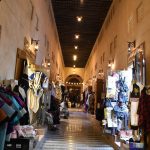 Al-Qaisaryah Market attracts Ramadan shoppers in Al-Ahsa
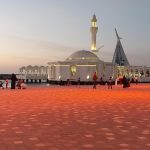 Al-Rahma Mosque architectural features in Jeddah
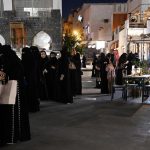 Al-Mughaisla neighborhood offers heritage Ramadan experience in Madinah