


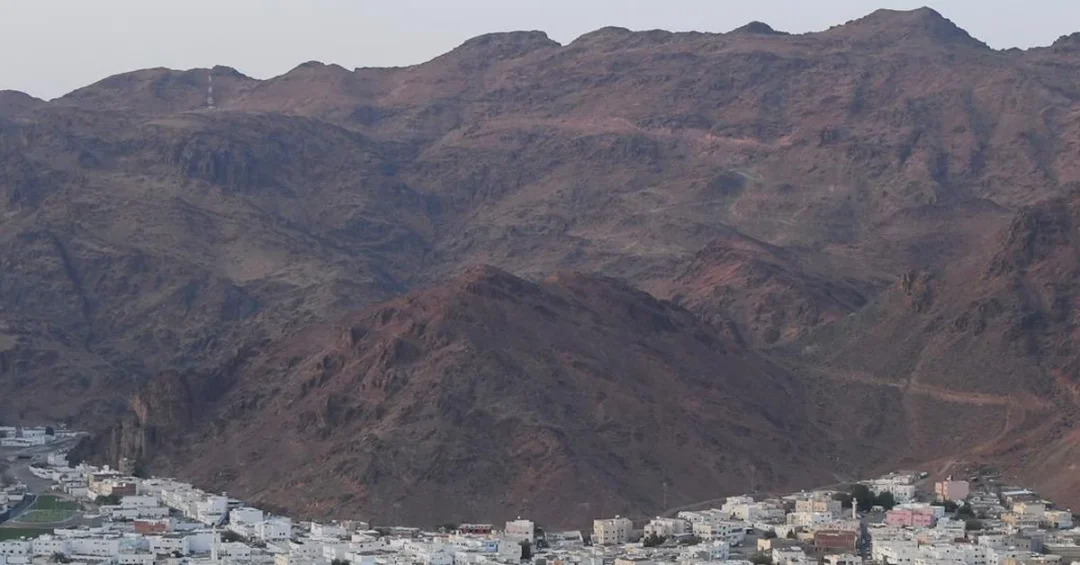
The mountains of the Madinah Region stand as enduring witnesses to both the grandeur of nature and the profound history of Islam, offering visitors a unique blend of geological wonder and spiritual heritage, as detailed in a recent report by the Saudi Press Agency (SPA). These towering formations, with their diverse terrain and scenic landscapes, not only inspire reflection and contemplation but also preserve landmarks intimately connected to the life of the Prophet Muhammad and pivotal events in Islamic history. For international observers, they represent a compelling intersection of natural beauty and historical significance, inviting deeper exploration of Saudi Arabia’s rich cultural tapestry. Have you ever considered how such landscapes can narrate stories of faith and resilience across centuries?
Located in the western part of the Kingdom, the Madinah Region is home to some of the most revered sites in Islam, second only to Makkah in spiritual importance. The mountains scattered across this area are not mere geological features; they are living monuments that have witnessed the birth and spread of Islam. From the volcanic rocks of Mount Uhud to the strategic heights of Mount Sela, each formation carries a legacy that continues to draw millions of pilgrims and tourists annually. As Saudi Arabia opens its doors wider to the world through Vision 2030 initiatives, these natural and historical treasures are poised to become even more accessible, offering a window into the Kingdom’s soul. How many travelers realize that these mountains are not just backdrops but active participants in the narrative of Islamic civilization?
Context and Background
The Madinah Region, with its capital city of Madinah, holds a special place in the hearts of Muslims worldwide. It was here that the Prophet Muhammad migrated in 622 CE, establishing the first Islamic state and community. The mountains surrounding the city played crucial roles in key battles and events that shaped early Islamic history. Among the most prominent is Mount Uhud, located approximately four kilometers north of the Prophet’s Mosque. This mountain is renowned for its igneous and volcanic rock formations and natural cavities, but its fame stems primarily from the Battle of Uhud in the third year after Hijrah (625 CE), where 70 of the Prophet’s companions were martyred. The battle was a pivotal moment that tested the resolve of the early Muslim community. Have you ever pondered how a single mountain can encapsulate both triumph and tragedy, serving as a reminder of sacrifice and steadfastness?
Nearby stands Mount Al-Rumah, a smaller hill about three kilometers from Mount Uhud. It was here that the Prophet stationed a group of archers with strict orders not to leave their posts, a decision that became critical during the battle. The archers’ position on this hill influenced the course of the engagement, highlighting the strategic importance of Madinah’s natural topography. These mountains are not isolated landmarks; they are part of a broader historical ecosystem that includes valleys, mosques, and caves, each contributing to the region’s unique identity. As the Kingdom invests in preserving and promoting these sites, they offer international visitors an opportunity to walk through history and witness the interplay between faith and geography. What lessons can modern societies draw from these ancient landscapes about the importance of unity and obedience?
Key Details
Southwest of Madinah lies Mount Ayr, a geographical landmark approximately seven kilometers from the Prophet’s Mosque. It marks the southern boundary of Madinah’s sacred precinct, known as the Haram. The Dhul Hulayfah Miqat Mosque, a designated miqat (starting point) for pilgrims entering ihram, lies along its western foothills. To the west of Mount Ayr runs the blessed Wadi Al-Aqiq, a valley mentioned in Islamic tradition, adding layers of historical and natural significance. This area is not only a spiritual waypoint but also a testament to the harmonious coexistence of nature and worship. Have you ever imagined standing at a site where pilgrims have paused for centuries to prepare for their sacred journey?
Northwest of the city, Mount Sela is associated with the Battle of the Trench (also known as the Battle of the Confederates) in the fifth year after Hijrah (627 CE). The Prophet used the mountain as a defensive position, and together with a trench dug around the city, it formed an impenetrable barrier that protected Madinah from a massive confederate army. Located just 700 meters from the Prophet’s Mosque, Mount Sela is surrounded by historical and architectural landmarks, including Al-Fath Mosque, Bani Haram Cave, and Thaniyat Al-Wada. These sites collectively narrate the story of divine assistance and strategic ingenuity. How often do we overlook the natural features that once served as silent guardians of a community?
Further afield, in Yanbu Governorate, the Radwa Mountains stand out for their unique geological formations and picturesque landscapes. They are among the most prominent elevations in the Madinah Region, known for their abundant water resources and proximity to the Red Sea coast. The Radwa Mountains also hold a significant historical event: the meeting between King Abdulaziz bin Abdulrahman Al Saud, the founder of modern Saudi Arabia, and King Farouk of Egypt in 1945 in the Radwa Bay area. This meeting symbolized the strengthening of ties between the two nations and underscored the region’s role in diplomacy. What does this blend of natural beauty and political history tell us about Saudi Arabia’s enduring legacy as a crossroads of civilizations?
International and Regional Impact
The historical and natural significance of Madinah’s mountains extends far beyond the Kingdom’s borders. Millions of Muslims from around the world visit Madinah each year for Hajj and Umrah, and many take the opportunity to explore these sites. The mountains serve as tangible links to the earliest days of Islam, offering a profound spiritual experience that deepens understanding of the faith’s roots. For non-Muslim international visitors, these landmarks provide invaluable insights into Islamic history and Saudi culture, fostering cross-cultural dialogue and appreciation. As Saudi Arabia continues to open up under Vision 2030, the Madinah Region is becoming more accessible, with improved infrastructure and hospitality services. How might these sites contribute to bridging cultural divides and promoting mutual respect among diverse global communities?
Regionally, the preservation of these mountains aligns with broader efforts to safeguard heritage across the Middle East. Saudi Arabia has been at the forefront of such initiatives, recognizing that historical sites are not only national treasures but also part of the shared human heritage. The Kingdom’s commitment to restoring and maintaining these landmarks, as highlighted by the Saudi Press Agency, reflects a deep respect for the past and a vision for the future. By integrating these sites into tourism and educational programs, Saudi Arabia enhances its soft power and positions itself as a leader in cultural preservation. Have you considered how such efforts can serve as a model for other nations in the region and beyond?
Economic and Strategic Significance
The promotion of Madinah’s mountains as tourist destinations carries significant economic implications. Tourism is a key pillar of Vision 2030, which aims to diversify the Kingdom’s economy away from oil dependence. By attracting more visitors to religious and historical sites, Saudi Arabia can generate revenue, create jobs, and stimulate local businesses. The Madinah Region, with its unique blend of spiritual and natural attractions, is well-positioned to benefit from this shift. Investments in hotels, transportation, and guided tours are already underway, ensuring that pilgrims and tourists alike can experience these sites comfortably. How can sustainable tourism practices ensure that these mountains remain pristine for generations to come?
Strategically, the mountains of Madinah contribute to the Kingdom’s goal of becoming a global hub for Islamic heritage and culture. They serve as venues for educational programs, research, and interfaith dialogue, reinforcing Saudi Arabia’s role as the custodian of Islam’s holiest sites. The historical narratives associated with these mountains—such as the Battle of Uhud and the Battle of the Trench—offer lessons in leadership, sacrifice, and resilience that resonate universally. By highlighting these stories, Saudi Arabia can engage with a global audience, fostering a deeper appreciation for its history and values. What role can these ancient landmarks play in shaping contemporary discussions on leadership and community?
Vision 2030 Alignment
The preservation and promotion of Madinah’s mountains are directly aligned with Saudi Vision 2030, particularly its cultural and tourism objectives. The Vision seeks to enrich the lives of citizens and visitors by celebrating the Kingdom’s heritage and natural beauty. Projects such as the restoration of historical sites, the development of visitor centers, and the integration of digital technologies for virtual tours are all part of this effort. These initiatives not only enhance the pilgrimage experience but also attract non-religious tourists interested in history and geology. By showcasing these mountains, Saudi Arabia demonstrates its commitment to sustainable development and cultural stewardship. How does this alignment reflect the Kingdom’s broader ambition to be a leader in both faith and innovation?
Furthermore, the emphasis on these sites underscores the Vision’s focus on quality of life and national pride. Saudis are encouraged to explore and take pride in their heritage, while international visitors are welcomed to share in these discoveries. The mountains of Madinah, with their timeless beauty and profound history, are emblematic of the Kingdom’s journey toward a prosperous and inclusive future. As the world looks to Saudi Arabia for leadership in preserving cultural heritage, these mountains stand as silent ambassadors, inviting all to reflect on the past and envision a harmonious tomorrow. Will you be among those who answer their call to explore and learn?
20 Questions
Q1. What is the significance of the mountains in the Madinah Region?
A1. The mountains in the Madinah Region are significant for their natural beauty and their deep connection to Islamic history. They feature diverse geological formations and serve as landmarks for pivotal events in the life of the Prophet Muhammad, attracting pilgrims and tourists alike.
Q2. Where is Mount Uhud located and why is it famous?
A2. Mount Uhud is located approximately four kilometers north of the Prophet’s Mosque in Madinah. It is famous for the Battle of Uhud in the third year after Hijrah, where 70 companions of the Prophet were martyred. Its igneous and volcanic rocks add to its distinct appearance.
Q3. What happened at Mount Al-Rumah during the Battle of Uhud?
A3. Mount Al-Rumah, about three kilometers from Mount Uhud, was where the Prophet stationed archers with orders not to leave their posts. Their position influenced the battle’s outcome. It remains a key historical site linked to the events of Uhud.
Q4. What is the historical importance of Mount Ayr?
A4. Mount Ayr, southwest of Madinah, marks the southern boundary of the city’s sacred precinct. It is approximately seven kilometers from the Prophet’s Mosque. The Dhul Hulayfah Miqat Mosque lies at its western foothills, and Wadi Al-Aqiq runs to its west.
Q5. How is Mount Sela connected to the Battle of the Trench?
A5. Mount Sela, northwest of Madinah, was used by the Prophet as a defensive position during the Battle of the Trench. Together with the trench, it formed a barrier protecting the city. It is located about 700 meters from the Prophet’s Mosque and is surrounded by historical sites.
Q6. What are the Radwa Mountains known for?
A6. The Radwa Mountains in Yanbu Governorate are known for their unique geological formations, abundant water resources, and scenic terrain near the Red Sea coast. They also hosted the historic meeting between King Abdulaziz and King Farouk of Egypt in 1945.
Q7. Why are these mountains important for Islamic history?
A7. These mountains are important because they witnessed key events in early Islam, such as the Battles of Uhud and the Trench. They preserve landmarks associated with the Prophet Muhammad’s life, offering spiritual and educational value to Muslims worldwide.
Q8. How do these mountains contribute to Saudi Arabia’s tourism goals?
A8. They contribute by attracting religious and cultural tourists, supporting Vision 2030’s economic diversification. Improved infrastructure and services enhance visitor experiences, generating revenue and creating jobs in the Madinah Region.
Q9. What is the Dhul Hulayfah Miqat Mosque?
A9. The Dhul Hulayfah Miqat Mosque is a designated starting point for pilgrims entering ihram, located near Mount Ayr. It serves as a vital spiritual waypoint for those beginning their Hajj or Umrah journey, adding to the area’s religious significance.
Q10. What was the meeting between King Abdulaziz and King Farouk?
A10. In 1945, King Abdulaziz bin Abdulrahman Al Saud met with King Farouk of Egypt in the Radwa Bay area. This meeting strengthened diplomatic ties between Saudi Arabia and Egypt and highlighted the region’s role in international relations.
Q11. How are these mountains being preserved?
A11. Saudi authorities are preserving these mountains through restoration projects, awareness campaigns, and integration into tourism programs. These efforts align with Vision 2030’s cultural goals, ensuring that the sites remain intact for future generations.
Q12. What role do these mountains play in Vision 2030?
A12. They support Vision 2030 by promoting cultural heritage and tourism, diversifying the economy, and enhancing Saudi Arabia’s global image. Their preservation and promotion reflect the Kingdom’s commitment to sustainable development and national pride.
Q13. Can non-Muslims visit these mountains?
A13. Yes, non-Muslims can visit many of these mountains and surrounding areas, as Saudi Arabia opens up to international tourism. However, access to certain religious sites may be restricted. Visitors are encouraged to respect local customs and regulations.
Q14. What geological features make these mountains unique?
A14. The mountains feature igneous and volcanic rock formations, natural cavities, and diverse terrain. The Radwa Mountains are noted for their water resources and proximity to the Red Sea, creating a distinct landscape that appeals to geologists and nature lovers.
Q15. How do these mountains inspire reflection?
A15. Their grandeur and historical significance evoke contemplation about nature, faith, and human history. Visitors often feel a spiritual connection, reflecting on the events that took place there and the enduring lessons they impart.
Q16. What other historical sites are near Mount Sela?
A16. Near Mount Sela are Al-Fath Mosque, Bani Haram Cave, and Thaniyat Al-Wada, among others. These sites are linked to the Battle of the Trench and offer a comprehensive historical experience for visitors exploring the area.
Q17. How accessible are these mountains for tourists?
A17. The mountains are increasingly accessible due to improved roads, signage, and tourist facilities. The Saudi government has invested in infrastructure to ensure comfortable visits, making it easier for international travelers to explore these heritage sites.
Q18. What is the significance of Wadi Al-Aqiq?
A18. Wadi Al-Aqiq is a blessed valley mentioned in Islamic tradition, running west of Mount Ayr. It adds to the historical and natural significance of the area, serving as a reminder of the region’s rich spiritual and environmental heritage.
Q19. How do these mountains reflect Saudi Arabia’s cultural richness?
A19. They embody the intersection of natural beauty and human history, showcasing the Kingdom’s diverse heritage. Their preservation and promotion highlight Saudi Arabia’s dedication to safeguarding its cultural identity while sharing it with the world.
Q20. What can visitors learn from these mountains?
A20. Visitors can learn about early Islamic history, the strategic importance of natural landscapes, and the values of sacrifice and resilience. These mountains offer lessons in faith, leadership, and the enduring bond between people and their environment.
Reader Feedback
We value your thoughts. Please share your feedback on this article.
Your feedback helps us improve our coverage.
Related articles
 Wasm Hail 2026: Qareh Trail Hike Showcases Natural Beauty
 Jubail Hills Festival Draws High Turnout
 Hail Authority Unveils Smart Robot, App at Wasm Hail 2026
 Wasm Hail Events Attract Nearly 13,000 Visitors on Fourth Day
 Discover Makkah Program Explores Jabal Thawr Cultural District
 Autumn Break Boosts Outdoor Excursions in Northern Borders