


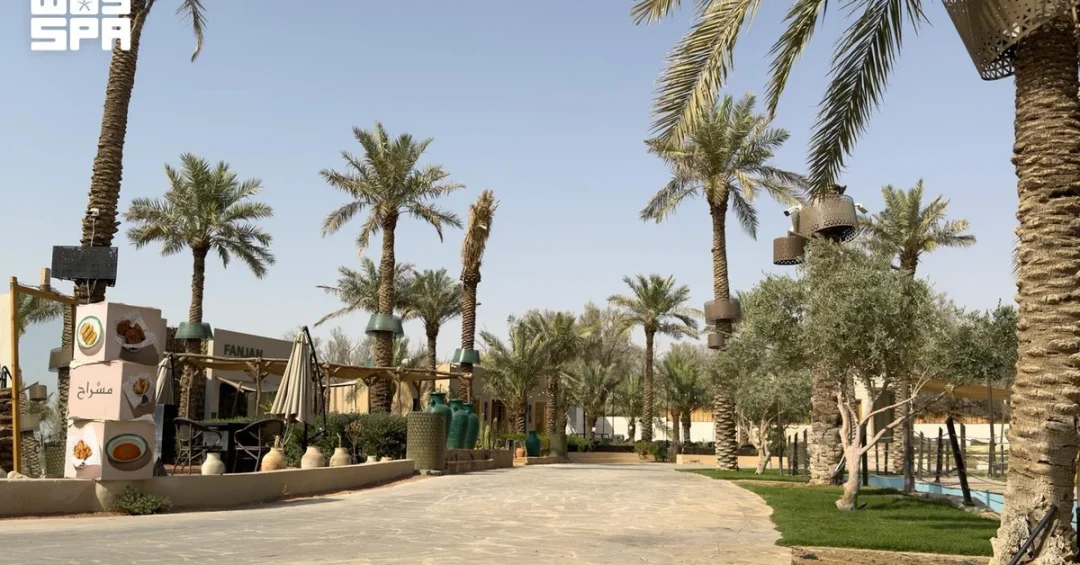
Mild autumn weather across the Qassim Region is driving a marked rise in rural and recreational tourism, with farms, parks, and desert landscapes attracting families and visitors from inside and outside the Kingdom, according to information released through official Saudi channels. The Saudi Press Agency reported that the season’s temperate conditions have turned Qassim’s agricultural heartland into a magnet for leisure travelers, drawing them to destinations that combine traditional farming life with modern hospitality. Visitors are increasingly seeking open-air experiences, and Qassim’s mix of palm groves, heritage landmarks, and family-friendly parks is meeting that demand.
Qassim sits at the geographic center of Saudi Arabia, a position that has long made it a crossroads for trade and travel. Today, that central location is proving equally valuable for tourism. A well-developed road network and modern transport infrastructure place the region’s governorates within easy reach of major population centers, allowing day trips and weekend getaways alike. The result is a tourism season that is broadening the region’s economic base while offering residents and international visitors a distinctive taste of Saudi rural life. Why has this particular autumn captured such attention? The answer lies in a combination of climate, accessibility, and a deliberate push to develop tourism offerings that reflect the region’s identity.
Context and Background
Qassim has historically been known as the Kingdom’s agricultural engine, celebrated for its date palms and produce. In recent years, however, the region has begun to reposition that agricultural heritage as a tourism asset. Rather than viewing farms solely as sites of production, local operators and investors have transformed several agricultural properties into hospitality destinations. These sites now feature cafés, shaded seating areas, and viewing points overlooking palm groves and open landscapes, allowing visitors to experience the rhythm of rural life without sacrificing comfort. The shift reflects a broader understanding that tourism can be built on authentic local assets rather than imported attractions.
The mild autumn weather is the immediate catalyst for the current surge. As temperatures moderate, outdoor activity becomes far more appealing for families, particularly those with children. Parks, farms, and desert sites that might be avoided during the intense summer heat are now welcoming crowds. This seasonal pattern is well understood by tourism planners, who time festivals and events to coincide with the most comfortable months. Qassim’s calendar of seasonal festivals and events has therefore become a key part of its tourism strategy, drawing visitors who might otherwise overlook the region. How does a region best convert a favorable season into lasting economic value? By building infrastructure and services that keep visitors coming back year after year.
Official Saudi channels have emphasized that the region’s tourism development is not an isolated phenomenon but part of a coordinated national effort. The Saudi Press Agency’s reporting highlights how Qassim’s natural and agricultural assets are being leveraged to create diverse tourism and leisure offerings. This approach aligns with the Kingdom’s wider ambitions to expand domestic and international tourism, create jobs, and diversify revenue streams away from hydrocarbons. For international audiences, Qassim offers a window into a Saudi Arabia that is both deeply rooted in tradition and actively modernizing its visitor economy.
Key Details
At the center of Qassim’s rural tourism offer are several standout farm destinations. Asib Rural Farm, Al-Bustan Rural Farm, Palm Promenade, and Nakhla have become prominent attractions, each blending traditional agricultural settings with recreational services. Visitors can enjoy cafés and seating areas that overlook palm groves and open landscapes, creating a relaxed atmosphere that appeals to families and groups. These sites demonstrate how agricultural land can be adapted for hospitality without losing its essential character. The farms are not theme parks; they are working landscapes that invite guests to slow down and appreciate the environment.
Beyond the farms, Qassim offers a range of outdoor destinations. Al-Ghadha Park in Unaizah and Asilan in Buraidah are popular with visitors seeking excursions and outdoor activities. Public parks and gardens provide additional options for families, including King Abdullah Park, Al-Iskan Park, and Al-Abraj Park in Buraidah; Al-Ashrafiya Park and Al-Hajeb Park in Unaizah; and Al-Mahfal Park in Al-Rass. These green spaces are well maintained and offer safe, accessible environments for children to play and for adults to relax. The variety ensures that visitors with different interests and age groups can find something suitable.
Seasonal festivals and events further enrich the region’s tourism calendar. The Buraidah Dates Carnival, the Klija Festival, and the Hanini Festival attract visitors, stimulate commercial activity, and showcase local products and cultural heritage. Camel auctions, including the Madraj Camel Auction and the Unaizah Camel Auction District, reflect the region’s economic traditions and deep-rooted heritage. These events are not merely entertainment; they are economic drivers that support local businesses and artisans. They also provide international visitors with an authentic cultural experience that is difficult to find elsewhere. What makes these events so compelling? Their authenticity and their connection to the land and its people.
International and Regional Impact
The growth of rural and recreational tourism in Qassim has implications that extend beyond the region’s borders. For international visitors, it adds a new dimension to Saudi Arabia’s tourism offering, which has traditionally been associated with religious pilgrimage and major urban centers. Qassim presents an opportunity to experience the Kingdom’s agricultural heritage, desert landscapes, and traditional hospitality in a setting that is both accessible and comfortable. This diversification supports the national goal of attracting a broader range of international travelers, including those interested in culture, nature, and soft adventure.
Regionally, Qassim’s success can serve as a model for other Saudi regions seeking to develop tourism based on local assets. The combination of mild weather, central location, and strong infrastructure is not unique to Qassim, but the region has been particularly effective in organizing its offerings. By developing rural tourism projects and related services, Qassim encourages small businesses and entrepreneurs to participate in the sector. This inclusive approach can stimulate local economies, create employment, and foster a sense of pride in regional identity. It also strengthens the Kingdom’s overall tourism ecosystem by adding diverse destinations that complement better-known sites.
Economic and Strategic Significance
From an economic standpoint, the rise in rural tourism in Qassim represents a tangible diversification of the region’s income sources. Agriculture remains a foundation, but tourism adds a service-sector dimension that can generate higher margins and more employment per hectare. The development of farm-based hospitality, parks, and festivals requires investment in facilities, marketing, and human capital. This in turn creates opportunities for local entrepreneurs, from café operators to tour guides and event organizers. The Saudi Press Agency’s report notes that the diversity of tourism destinations offers opportunities to develop rural tourism projects and related services, a clear signal that the sector is seen as a growth engine.
Strategically, the emphasis on rural and recreational tourism supports the Kingdom’s long-term vision of enhancing the quality of life for citizens and residents while diversifying economic activities. By encouraging domestic tourism, Qassim helps retain spending within the Kingdom and reduces the outflow of tourism dollars. It also builds a constituency of Saudis who are invested in the preservation and enhancement of their local environment and heritage. For international audiences, the region’s development demonstrates that Saudi Arabia is serious about becoming a comprehensive tourism destination, not just a stopover for specific purposes. How does this benefit the broader national economy? By creating resilient, locally driven growth that complements other Vision 2030 initiatives.
Vision 2030 Alignment
Qassim’s tourism momentum is squarely aligned with the goals of Saudi Vision 2030, the national transformation plan that seeks to develop tourism, enhance the quality of life, and diversify economic activities. The Vision recognizes tourism as a key sector for job creation and revenue generation, and it calls for the development of destinations that showcase the Kingdom’s natural and cultural assets. Qassim’s rural farms, parks, and festivals are living examples of this strategy in action. They demonstrate how local initiative, supported by national policy, can turn agricultural heritage into a sustainable tourism product.
As the autumn season continues, Qassim is poised to welcome even more visitors, strengthening its position as a premier destination for rural and recreational tourism. The region’s success underscores the importance of leveraging local strengths, investing in infrastructure, and celebrating cultural heritage. For Saudi Arabia as a whole, Qassim’s experience offers valuable lessons as the Kingdom continues its journey toward a diversified, vibrant, and globally connected economy. The mild weather may have sparked the current boom, but the foundations being laid today will support the region’s tourism sector for years to come. What comes next? Continued growth, deeper international engagement, and a lasting contribution to the Kingdom’s Vision 2030 ambitions.
20 Questions
Q1. What is driving the current increase in tourism in Qassim?
A1. Mild autumn weather is the primary driver, making outdoor activities comfortable for families and visitors. This seasonal shift has boosted interest in rural farms, parks, and desert landscapes across the region.
Q2. Which rural farm destinations are highlighted in the report?
A2. The report names Asib Rural Farm, Al-Bustan Rural Farm, Palm Promenade, and Nakhla as prominent attractions that combine traditional agricultural settings with recreational services like cafés and seating areas.
Q3. How does Qassim’s location benefit its tourism sector?
A3. Qassim’s central position in Saudi Arabia, along with a well-developed road network and transport infrastructure, makes its destinations easily accessible from major cities and other regions, supporting both day trips and longer stays.
Q4. What types of outdoor destinations are available in Qassim?
A4. Visitors can enjoy Al-Ghadha Park in Unaizah and Asilan in Buraidah, as well as numerous public parks and gardens such as King Abdullah Park, Al-Iskan Park, and Al-Abraj Park in Buraidah.
Q5. Which seasonal festivals and events take place in Qassim?
A5. The Buraidah Dates Carnival, Klija Festival, and Hanini Festival are key events that attract visitors, stimulate commercial activity, and showcase local products and cultural heritage.
Q6. What role do camel auctions play in Qassim’s tourism?
A6. Camel auctions such as the Madraj Camel Auction and Unaizah Camel Auction District reflect the region’s economic traditions and deep-rooted heritage, offering visitors a unique cultural experience.
Q7. How does rural tourism benefit local businesses in Qassim?
A7. It encourages small businesses and entrepreneurs to participate in the tourism sector by creating demand for hospitality services, local products, and event-related activities, thereby stimulating the local economy.
Q8. What is the significance of Qassim’s agricultural heritage for tourism?
A8. Qassim’s date palms and farming traditions provide an authentic backdrop for tourism, allowing visitors to experience rural life while enjoying modern comforts, which differentiates the region from other destinations.
Q9. How does the current tourism surge align with Saudi Vision 2030?
A9. It supports Vision 2030 goals to develop tourism, enhance quality of life, and diversify economic activities by leveraging local assets and creating sustainable, locally driven growth.
Q10. What makes Qassim’s parks suitable for families?
A10. The parks are well maintained and offer safe, accessible environments with green spaces for children to play and adults to relax, making them ideal for family outings during mild weather.
Q11. How does Qassim attract visitors from outside the region?
A11. Its central location, modern road network, and diverse offerings—rural farms, parks, festivals, and heritage sites—appeal to a wide range of interests, drawing visitors from within and outside the Kingdom.
Q12. What economic impact does tourism have on Qassim’s governorates?
A12. Tourism generates income for local businesses, creates jobs in hospitality and services, and supports the preservation of cultural heritage, contributing to a more diversified regional economy.
Q13. Are there opportunities for international visitors in Qassim?
A13. Yes, Qassim offers international visitors a chance to experience Saudi agricultural heritage, desert landscapes, and traditional hospitality in an accessible and comfortable setting, adding depth to the Kingdom’s tourism offering.
Q14. How does the mild weather affect tourism patterns in Qassim?
A14. Mild autumn temperatures make outdoor activities more appealing, leading to increased visits to farms, parks, and desert sites that might be avoided during the intense summer heat.
Q15. What role do local entrepreneurs play in Qassim’s tourism development?
A15. Local entrepreneurs are essential, as they invest in and operate farm-based hospitality, cafés, and event services, driving innovation and ensuring that tourism offerings reflect the region’s character.
Q16. How does Qassim’s tourism strategy support cultural preservation?
A16. By showcasing local products, heritage events, and traditional practices like camel auctions, tourism encourages the preservation and celebration of Qassim’s cultural identity for future generations.
Q17. What infrastructure supports tourism in Qassim?
A17. A well-developed road network and transport infrastructure connect Buraidah and other governorates, making destinations easily accessible and facilitating the movement of visitors across the region.
Q18. Can Qassim’s model be replicated in other Saudi regions?
A18. Yes, Qassim’s approach of leveraging local assets, investing in infrastructure, and encouraging community participation offers a replicable model for other regions seeking to develop rural and recreational tourism.
Q19. What is the outlook for Qassim’s tourism sector?
A19. The outlook is positive, with continued growth expected as infrastructure improves, offerings expand, and national support for tourism under Vision 2030 remains strong, attracting more domestic and international visitors.
Q20. How does Qassim’s tourism contribute to Saudi Arabia’s global image?
A20. It showcases the Kingdom’s natural beauty, cultural richness, and modernization efforts, helping to present Saudi Arabia as a diverse and welcoming destination for international travelers.
Reader Feedback
We value your thoughts. Please share your feedback on this article.
Your feedback helps us improve our coverage.