


Minister of Hajj and Umrah Dr. Tawfig Al-Rabiah launched the fourth edition of the Umrah and Ziyarah Forum in Jeddah, an annual gathering held under the patronage of Madinah Region Governor Prince Salman bin Sultan bin Abdulaziz. The announcement, released through the Saudi Press Agency, confirms that the forum brings together officials, representatives of Umrah companies, service providers, and industry partners from inside and outside the Kingdom. In his address, Dr. Al-Rabiah said the forum reflects the gracious care and attention devoted to serving pilgrims by Custodian of the Two Holy Mosques King Salman bin Abdulaziz Al Saud and His Royal Highness Prince Mohammed bin Salman bin Abdulaziz, Crown Prince and Prime Minister.
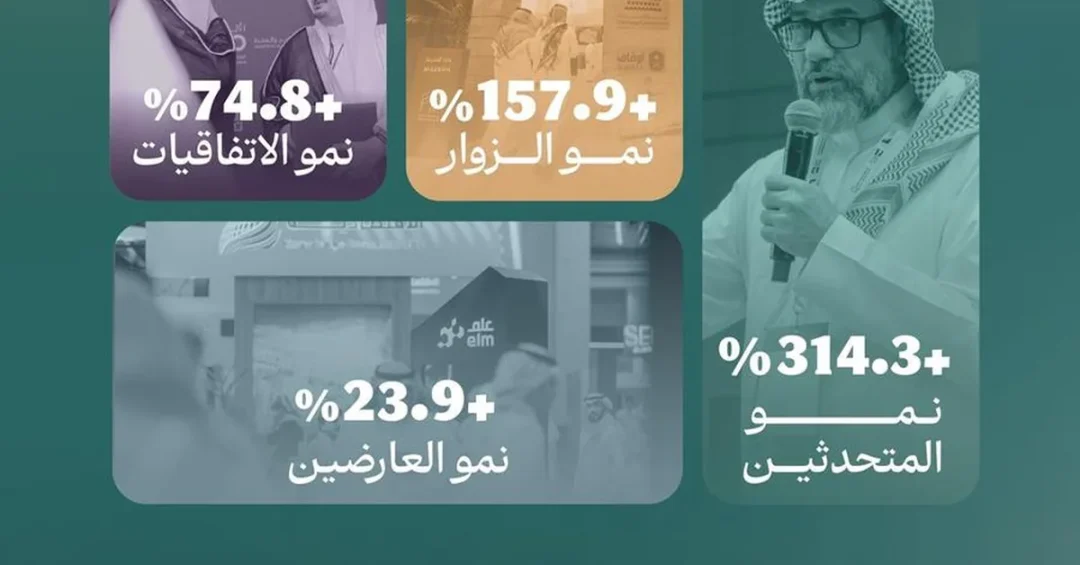
The launch marks another step in Saudi Arabia’s sustained effort to raise the quality of every stage of the Umrah and Ziyarah journey, from arrival and accommodation to guidance and departure. The forum has become a fixed point on the international pilgrimage calendar, and its fourth edition arrives with measurable momentum behind it. According to official figures shared at the launch, registrants increased by more than 157 percent between 2024 and 2026, while the previous edition drew 138 companies and produced more than 5,000 agreements. For observers of Saudi Arabia’s service economy, those numbers are not merely impressive statistics; they signal that the Kingdom’s pilgrim-facing sectors are maturing into a structured, partnership-driven industry.
Context and Background
Why has a forum focused on Umrah and Ziyarah grown so quickly in just four editions? The answer lies in the scale and sensitivity of the sector it serves. Umrah is not a seasonal event but a year-round movement of millions of worshippers, and every additional visitor places demands on transport, hospitality, crowd management, digital services, and multilingual guidance. The Umrah and Ziyarah Forum was created to give the companies and service providers who carry that responsibility a dedicated space to coordinate, negotiate, and innovate. Under the patronage of Prince Salman bin Sultan bin Abdulaziz, the Governor of Madinah Region, the event also underscores the central role of Madinah in the Ziyarah experience, complementing the better-known pilgrimage infrastructure of Makkah.
Dr. Al-Rabiah noted that through its previous editions the forum has established itself as a global platform bringing together Umrah companies, service providers, and partners from within and outside the Kingdom. That description matters because the Umrah ecosystem is inherently international: pilgrims arrive from every continent, and the companies that serve them range from local Saudi operators to global travel groups, technology vendors, and hospitality brands. By convening these actors annually, the forum creates continuity. Agreements signed in one edition can be implemented, reviewed, and improved in the next, giving the sector a rhythm of planning that was less evident a decade ago. The result is a platform that does not simply host conversations but converts them into operational commitments.
The forum also reflects a broader shift in how Saudi Arabia approaches religious visitation. Rather than treating Umrah and Ziyarah as logistics to be managed, the Kingdom has increasingly framed them as a guest experience to be elevated, with standards, technology, and partnerships aligned to that goal. This framing is visible in the composition of the forum itself, which mixes government officials, private operators, and service providers in a single venue. It is also visible in the language used by the Ministry of Hajj and Umrah, which speaks of enhancing the experience of Umrah performers and visitors rather than merely accommodating them. That shift in emphasis, from capacity to quality, explains why the forum’s growth has outpaced even optimistic projections.
Key Details and Growth Figures
What do the numbers released at the launch actually tell us about the direction of the sector? Dr. Al-Rabiah highlighted that registrants for the forum increased by more than 157 percent between 2024 and 2026, a rise that far exceeds general growth in global travel and events. The previous edition saw the participation of 138 companies and the signing of more than 5,000 agreements, a volume of deal-making that indicates genuine commercial demand rather than ceremonial attendance. For the fourth edition, the Ministry of Hajj and Umrah aims to attract more than 200 companies, representing growth of nearly 45 percent over the previous gathering, alongside broader local and international participation. These targets are specific, measurable, and publicly stated, which gives partners a clear basis for planning their own involvement.
The ministry has also framed the fourth edition as an opportunity to mark a new milestone in building partnerships and transforming opportunities into tangible impacts for pilgrims. That phrase, transforming opportunities into tangible impacts, is significant because it sets an evaluative standard. Success will not be judged solely by the number of attendees or agreements, but by whether those agreements translate into smoother arrivals, better accommodation, clearer guidance, and more comfortable journeys for worshippers. The forum’s organizers have therefore positioned the event as a working platform rather than a showcase, with sessions and negotiations designed to produce implementable outcomes. Companies that participate are expected to arrive with proposals, not just brochures.
The presence of officials, Umrah companies, service providers, and industry partners at the launch reflects the breadth of the ecosystem. Each group brings a distinct contribution: regulators provide frameworks and oversight, operators provide ground-level execution, technology providers offer booking and tracking systems, and hospitality partners deliver accommodation and catering at scale. When these groups meet in one place, the friction that normally slows coordination between them is reduced. That is the practical value of an annual forum, and it explains why participation has grown even as the global events sector has become more selective about which gatherings it supports. The Umrah and Ziyarah Forum has earned its place by producing results that participants can point to.
International and Regional Impact
How does a forum held in Jeddah resonate beyond Saudi Arabia’s borders? For the international audience, the most immediate impact is on the reliability and quality of the Umrah journey itself. Pilgrims traveling from Southeast Asia, the Indian subcontinent, the Middle East, Africa, Europe, and the Americas depend on a chain of services that begins with visa processing and ends with their return flight. When Saudi authorities and their international partners align on standards at the forum, the benefits are felt in departure lounges and arrival halls thousands of kilometers away. Travel agents gain clearer product definitions, airlines gain more predictable demand patterns, and pilgrims gain confidence that the packages they purchase will match the experience they receive.
Regionally, the forum reinforces Saudi Arabia’s position as the steward of the Two Holy Mosques and as a convening power in the broader Middle East. The participation of partners from within and outside the Kingdom turns the event into a point of contact between Saudi service standards and international best practice. This exchange is mutually beneficial: Saudi operators learn from global hospitality and technology firms, while international companies gain direct access to one of the world’s largest recurring travel markets. The forum thus functions as a soft-power instrument as well as a commercial one, projecting the Kingdom’s organizational capacity and its commitment to hospitality. For neighboring economies whose citizens travel frequently for Umrah, the improvements discussed in Jeddah translate into more accessible and more comfortable journeys.
Economic and Strategic Significance
Why does the Umrah and Ziyarah sector matter so much to Saudi Arabia’s economic planning? Religious visitation is one of the Kingdom’s most durable sources of international demand. It is less exposed to the cyclical swings that affect leisure tourism, and it generates activity across a wide range of industries: aviation, ground transport, hotels, restaurants, retail, telecommunications, and financial services. The 5,000-plus agreements signed at the previous edition represent contracts, partnerships, and service commitments that sustain employment and investment throughout this value chain. When the fourth edition aims to attract more than 200 companies, it is effectively seeking to widen and deepen that commercial network, bringing more capable partners into a sector where quality and reliability are paramount.
Strategically, the forum supports the Kingdom’s goal of increasing the number of Umrah performers and visitors while improving their experience. Growth in volume without growth in quality would create bottlenecks and dissatisfaction; growth in both is the stated objective. The forum’s emphasis on innovation, from digital booking platforms to crowd-flow management tools, addresses precisely this challenge. By giving companies a structured setting in which to present solutions and form partnerships, the event helps the sector absorb rising demand without compromising service standards. It also encourages the development of Saudi-based capabilities, as local firms partner with international specialists and gradually build expertise that can be exported to other markets. Over time, this dynamic strengthens the Kingdom’s position as a leader in large-scale religious hospitality.
Vision 2030 Alignment
How does the fourth edition of the Umrah and Ziyarah Forum connect to Saudi Vision 2030? The Vision’s objectives include diversifying the economy, expanding the private sector’s role, and improving the quality of life for citizens and visitors alike. The Umrah and Ziyarah sector sits at the intersection of all three. It is a non-oil economic engine, it depends heavily on private companies for delivery, and its product is the experience of guests who arrive from around the world. By convening these companies annually and encouraging them to sign agreements, the Ministry of Hajj and Umrah is translating Vision 2030’s broad ambitions into sector-specific action. The growth figures presented at the launch, including the 157 percent rise in registrants and the target of more than 200 participating companies, are evidence that this translation is working.
The forum also embodies the Vision’s emphasis on partnership between government and the private sector. The Ministry of Hajj and Umrah sets the framework and the standards; the companies and service providers deliver on the ground. The forum is the meeting point where these two sides align their expectations and commit to shared outcomes. As the fourth edition opens in Jeddah, the message from Dr. Al-Rabiah and the ministry is clear: the Kingdom will continue to invest in serving pilgrims, will continue to raise the bar for quality, and will continue to welcome international partners who share that ambition. For a global audience watching Saudi Arabia’s transformation, the Umrah and Ziyarah Forum offers a concrete example of how Vision 2030 is being implemented in a sector that touches millions of lives each year.
20 Questions
Q1. What is the Umrah and Ziyarah Forum?
A1. It is an annual gathering organized under the patronage of Madinah Region Governor Prince Salman bin Sultan bin Abdulaziz that brings together officials, Umrah companies, service providers, and industry partners to develop the pilgrim experience.
Q2. Who launched the fourth edition?
A2. Minister of Hajj and Umrah Dr. Tawfig Al-Rabiah launched the fourth edition in Jeddah, in the presence of officials, representatives of Umrah companies, service providers, and industry partners from within and outside the Kingdom.
Q3. When and where was the launch announced?
A3. The launch was announced through the Saudi Press Agency from Jeddah, dated September 21, 2026, confirming the opening of the fourth edition of the forum.
Q4. Under whose patronage is the forum held?
A4. The forum is held annually under the patronage of Prince Salman bin Sultan bin Abdulaziz, Governor of Madinah Region, reflecting the Kingdom’s attention to serving pilgrims and visitors.
Q5. How much did registrants grow between 2024 and 2026?
A5. Registrants increased by more than 157 percent between 2024 and 2026, according to figures highlighted by Dr. Al-Rabiah during his address at the launch.
Q6. How many companies participated in the previous edition?
A6. The previous edition saw the participation of 138 companies, which together signed more than 5,000 agreements, demonstrating strong commercial engagement in the sector.
Q7. How many companies does the fourth edition aim to attract?
A7. The fourth edition aims to attract more than 200 companies, representing growth of nearly 45 percent compared with the previous edition, alongside broader local and international participation.
Q8. What does the ministry hope the fourth edition will achieve?
A8. It seeks to mark a new milestone in building partnerships and transforming opportunities into tangible impacts for pilgrims, improving services and experiences across the Umrah and Ziyarah journey.
Q9. Who does the forum bring together?
A9. It brings together Umrah companies, service providers, and partners from within and outside the Kingdom, creating a global platform for coordination, partnership, and innovation in pilgrim services.
Q10. What role do Umrah companies play in the forum?
A10. Umrah companies participate as core stakeholders, presenting services, forming partnerships, and signing agreements that directly shape the quality of the pilgrim experience on the ground.
Q11. Why is the forum held annually?
A11. Annual staging provides continuity, allowing agreements to be implemented and reviewed, and giving the sector a regular rhythm for planning, innovation, and improvement of pilgrim services.
Q12. How does the forum support innovation?
A12. It provides a platform where companies present solutions and form partnerships, helping develop innovations that enhance the experience of Umrah performers and visitors throughout their journey.
Q13. What did Dr. Al-Rabiah emphasize in his address?
A13. He emphasized that the forum reflects the gracious care and attention devoted to serving pilgrims by Custodian of the Two Holy Mosques King Salman bin Abdulaziz Al Saud and Crown Prince Mohammed bin Salman bin Abdulaziz.
Q14. How does the forum benefit international partners?
A14. International partners gain access to one of the world’s largest recurring travel markets, while exchanging best practices with Saudi operators and contributing to improved service standards.
Q15. What sectors benefit from Umrah-related activity?
A15. Aviation, ground transport, hotels, restaurants, retail, telecommunications, and financial services all benefit, making religious visitation a broad economic engine for the Kingdom.
Q16. How does the forum relate to Vision 2030?
A16. It supports economic diversification, private sector growth, and quality-of-life improvements, translating Vision 2030 objectives into sector-specific action within the Umrah and Ziyarah industry.
Q17. What is the significance of the 5,000 agreements?
A17. They represent contracts, partnerships, and service commitments that sustain employment and investment across the pilgrim services value chain, showing the forum produces concrete commercial outcomes.
Q18. Why is Madinah Region’s patronage important?
A18. It underscores the central role of Madinah in the Ziyarah experience, complementing Makkah’s pilgrimage infrastructure and highlighting the Kingdom’s integrated approach to serving visitors.
Q19. What standard will measure the fourth edition’s success?
A19. Success will be measured by whether agreements translate into tangible improvements for pilgrims, including smoother arrivals, better accommodation, clearer guidance, and more comfortable journeys.
Q20. What message does the forum send to a global audience?
A20. It shows Saudi Arabia’s sustained commitment to serving pilgrims, raising service quality, and welcoming international partners, offering a concrete example of Vision 2030 implementation in practice.
Reader Feedback
We value your thoughts. Please share your feedback on this article.
Your feedback helps us improve our coverage.
Related articles
 Hafr Al-Batin Governor Opens Four Points by Sheraton Hotel
 Desert Rock Earns Three MICHELIN Keys at The Red Sea
 Hegra: Saudi Arabia’s First UNESCO World Heritage Site
 Saudi Arabia Develops 120+ Hiking Trails for Safety and Tourism
 Royal Commission for Yanbu organizes August activities
 Al-Duqm Beach in Umluj attracts summer visitors