


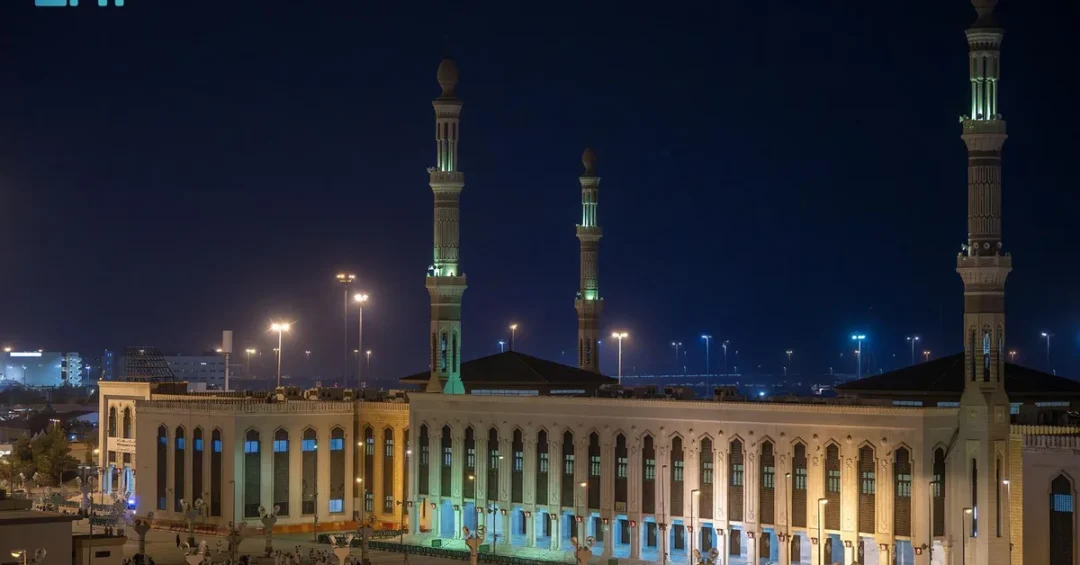
The Saudi Kingdom has announced the completion of a comprehensive development project for Namira Mosque, a historic landmark located in Arafat, as part of ongoing efforts to enhance the experience of pilgrims and visitors to the holy sites. This initiative underscores the Kingdom’s commitment to preserving Islamic heritage while modernizing infrastructure to accommodate the millions of pilgrims who gather annually for the Hajj pilgrimage.
Context and Background
Namira Mosque holds profound religious and historical significance. According to Islamic tradition, the Prophet Muhammad delivered his final sermon at this site during the farewell pilgrimage. Located at the boundary of Arafat, the mosque serves as a central gathering point for pilgrims on the Day of Arafah, a key ritual of Hajj. The development project was announced via official Saudi channels, including the Saudi Press Agency, reflecting the Kingdom’s dedication to meticulous planning and execution at sacred sites.
Over the years, the mosque has undergone several expansions to cope with the increasing number of pilgrims. The latest project aims to not only preserve the architectural authenticity of the landmark but also integrate modern facilities, ensuring comfort, safety, and ease of movement for worshippers. This aligns with the Saudi government’s broader strategy to provide world-class services to all visitors, enhancing the spiritual experience for millions each year.
Key Details of the Development
The new project includes extensive renovations and expansions to the prayer halls, as well as enhancements to the surrounding infrastructure. Key features include improved accessibility for individuals with disabilities, upgraded air conditioning systems to combat the region’s extreme heat, and expanded ablution facilities. Additionally, the project incorporates advanced crowd management technologies designed to streamline the flow of worshippers during peak hours. The Saudi Ministry of Hajj and Umrah collaborated with the General Presidency for the Affairs of the Two Holy Mosques to oversee the development, ensuring adherence to the highest standards of safety and religious protocol.
Implications for Pilgrims and Regional Tourism
The revitalization of Namira Mosque is expected to significantly improve the pilgrimage experience, a cornerstone of Saudi Arabia’s tourism and religious sectors. By modernizing this vital site, the Kingdom aims to reduce congestion and provide a more serene environment for prayer and reflection. This development also supports the broader goal of increasing the capacity of holy sites, as Saudi Arabia prepares to welcome over 30 million pilgrims and visitors annually by 2030 under its economic diversification plans. The project is a testament to the Kingdom’s leadership in preserving Islamic heritage while embracing innovation, setting a benchmark for other religious sites worldwide.
Vision 2030 Alignment
The Namira Mosque development project directly supports the objectives of Saudi Vision 2030, which prioritizes enhancing the quality of life for citizens and visitors, as well as diversifying the economy through religious tourism. By upgrading historic landmarks, the Kingdom not only honors its cultural and religious legacy but also reinforces its position as a global hub for Islamic spirituality. This initiative reflects Saudi Arabia’s forward-looking approach, balancing tradition with modernity to create a welcoming and efficient environment for pilgrims from around the world. As the nation continues to implement Vision 2030, projects like this exemplify the tangible benefits for both the Saudi people and the global Muslim community, fostering deeper cultural and religious connections for generations to come.
Reader Feedback
We value your thoughts. Please share your feedback on this article.
Your feedback helps us improve our coverage.