


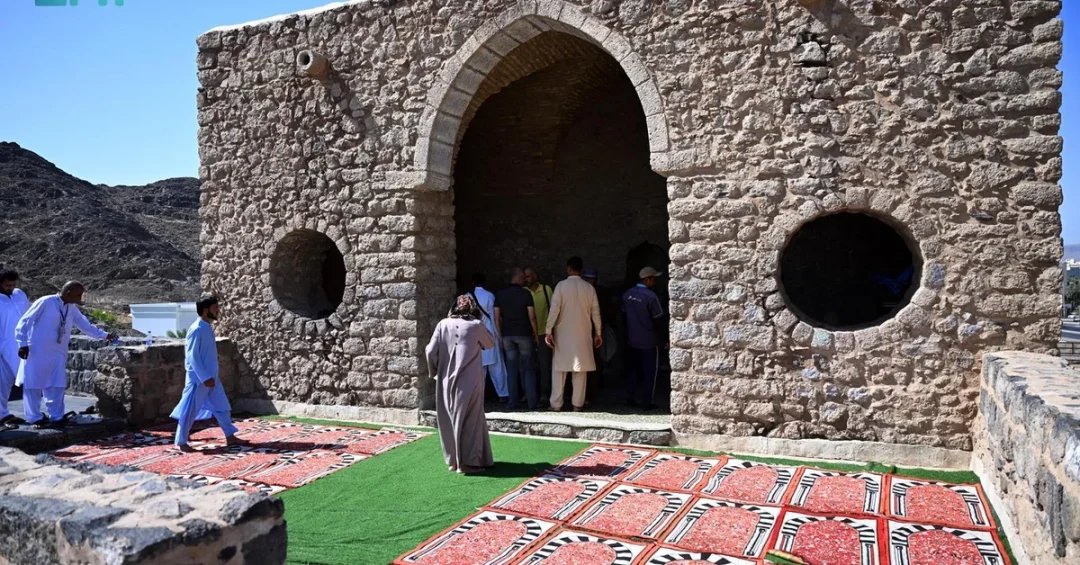
Hundreds of pilgrims are traveling daily to Madinah to visit its religious mosques and historical landmarks, marking the final spiritual chapter of their Hajj journey before returning home. The Saudi Press Agency (SPA) has captured poignant scenes of visitors touring the central area, which includes the Prophet’s Mosque, the Quba Mosque, the Qiblatain Mosque, and Uhud Martyrs’ Square, as they offer prayers, take souvenir photos, shop, and purchase gifts ahead of their departure from the Kingdom.
Context and Background
Madinah, the second holiest city in Islam, holds a special place in the hearts of Muslims worldwide. Following the completion of Hajj rituals in Makkah, many pilgrims extend their stay to visit Madinah, where they pay respects at sites deeply rooted in Islamic history. The Prophet’s Mosque, built by Prophet Muhammad (peace be upon him), is a central destination, along with the Quba Mosque—the first mosque ever built—and the Qiblatain Mosque, where the Qibla was changed from Jerusalem to Makkah. Uhud Martyrs’ Square commemorates the companions who fell in the Battle of Uhud. These visits form an integral part of the Hajj experience, allowing pilgrims to connect spiritually with the origins of their faith.
Key Details
According to the Saudi Press Agency (SPA), the daily influx of visitors reflects the seamless organization and hospitality provided by Saudi authorities. Pilgrims are seen engaging in various activities: offering prayers at the mosques, capturing moments through photography, and browsing local markets for souvenirs and gifts to share with loved ones back home. The SPA’s coverage highlights the vibrant atmosphere in Madinah, where pilgrims from diverse nationalities come together in a spirit of unity and devotion. The agency’s documentation underscores the Kingdom’s commitment to ensuring a fulfilling and comfortable experience for all guests.
Implications and Impact
The steady flow of pilgrims to Madinah has significant economic and cultural implications. Local businesses, from retail shops to restaurants, benefit from the increased foot traffic, contributing to the city’s prosperity. Moreover, the visits foster cultural exchange, as pilgrims interact with Saudi citizens and experience the Kingdom’s rich heritage. The efficient management of these visits also showcases Saudi Arabia’s logistical capabilities, further enhancing its reputation as a premier destination for religious tourism. This positive portrayal aligns with the Kingdom’s broader efforts to promote religious tolerance and global engagement.
Vision 2030 Alignment
These scenes of pilgrims exploring Madinah’s landmarks align closely with Saudi Vision 2030, which aims to diversify the economy and enhance the Kingdom’s role as a global hub for tourism and spiritual journeys. By facilitating seamless Hajj and Umrah experiences, Saudi Arabia not only fulfills its religious duty but also stimulates economic growth through increased visitor spending. The ongoing development of infrastructure and services in Madinah and other holy cities reflects the Vision’s objectives to improve quality of life and create sustainable opportunities, reinforcing the Kingdom’s position as a welcoming host to millions of pilgrims annually.
20 Questions
Q1. What is the significance of Madinah for pilgrims after Hajj?
A1. Madinah is home to the Prophet’s Mosque and other historical Islamic sites. Visiting these places allows pilgrims to deepen their spiritual connection and complete their Hajj journey with reflection and prayer.
Q2. Which landmarks in Madinah are most visited by pilgrims?
A2. The Prophet’s Mosque, Quba Mosque, Qiblatain Mosque, and Uhud Martyrs’ Square are the primary destinations. Each holds profound historical and religious significance, attracting pilgrims seeking blessings and knowledge.
Q3. How does the Saudi Press Agency document these visits?
A3. The SPA captures scenes of pilgrims touring, praying, and shopping. Through photos and reports, it highlights the vibrant atmosphere and the Kingdom’s hospitality, showcasing the successful organization of Hajj-related activities.
Q4. What activities do pilgrims engage in while in Madinah?
A4. Pilgrims offer prayers at the mosques, take souvenir photos, shop for gifts, and explore local markets. These activities allow them to create lasting memories and share their experience with family and friends back home.
Q5. How does the influx of pilgrims benefit Madinah’s economy?
A5. The increased number of visitors boosts local businesses such as retail shops, restaurants, and hotels. This spending creates jobs and stimulates economic growth, contributing to the city’s overall prosperity.
Q6. What role does the Saudi government play in facilitating these visits?
A6. The government ensures safety, security, and comfort for all pilgrims. It provides infrastructure, transportation, and services, enabling pilgrims to focus on their spiritual journey without logistical concerns.
Q7. When do pilgrims typically visit Madinah during their Hajj journey?
A7. Many pilgrims visit Madinah before or after the Hajj rituals in Makkah. It is often the final part of their journey, allowing them to conclude their pilgrimage with visits to historical sites.
Q8. What is the historical importance of the Quba Mosque?
A8. The Quba Mosque is the first mosque built in Islam. It was established by Prophet Muhammad (peace be upon him) upon his migration to Madinah, making it a site of great historical and spiritual significance.
Q9. Why is the Qiblatain Mosque significant?
A9. The Qiblatain Mosque is where the Qibla (direction of prayer) was changed from Jerusalem to Makkah. This event holds deep meaning for Muslims, symbolizing a pivotal moment in Islamic history.
Q10. What does Uhud Martyrs’ Square commemorate?
A10. Uhud Martyrs’ Square commemorates the companions of Prophet Muhammad who fell in the Battle of Uhud. Pilgrims visit to pay respects and reflect on their sacrifices and devotion to Islam.
Q11. How does the SPA’s coverage promote Saudi Arabia’s image?
A11. The SPA’s positive portrayal of pilgrim experiences highlights the Kingdom’s hospitality and organizational excellence. It showcases Saudi Arabia’s commitment to serving guests and maintaining the sanctity of holy sites.
Q12. In what ways do pilgrims prepare for their return home?
A12. Pilgrims often buy gifts and souvenirs for family and friends. They also take photos and share their experiences, ensuring that the spiritual journey extends beyond their time in the Kingdom.
Q13. How does the visit to Madinah align with Vision 2030?
A13. Vision 2030 aims to enhance religious tourism and diversify the economy. The seamless experience of pilgrims supports these goals by attracting more visitors and boosting economic activity in the region.
Q14. What measures ensure the safety of pilgrims in Madinah?
A14. Saudi authorities implement comprehensive security and health protocols. These include crowd management, medical services, and transportation systems to ensure a safe and comfortable experience for all pilgrims.
Q15. How do local businesses in Madinah cater to pilgrims?
A15. Local businesses offer a variety of goods, from religious items to traditional crafts. They provide services in multiple languages and create welcoming environments, enhancing the pilgrims’ overall experience and satisfaction.
Q16. What is the spiritual significance of visiting the Prophet’s Mosque?
A16. Visiting the Prophet’s Mosque is a deeply spiritual experience. Pilgrims offer prayers and seek blessings, feeling a profound connection to the Prophet and the early Islamic community.
Q17. How does the SPA’s reporting reflect Saudi Arabia’s hospitality?
A17. The SPA’s reports focus on the warmth and care provided to pilgrims. By highlighting positive interactions and services, it demonstrates the Kingdom’s dedication to hosting guests with respect and generosity.
Q18. What economic opportunities arise from religious tourism in Madinah?
A18. Religious tourism creates opportunities in hospitality, retail, and transportation. It encourages investment in infrastructure and services, leading to job creation and sustainable economic growth for the region.
Q19. How do pilgrims from different countries interact in Madinah?
A19. Pilgrims from diverse backgrounds come together in shared devotion. They exchange greetings, share experiences, and bond over their common faith, fostering a sense of global Muslim unity.
Q20. What message does the SPA aim to convey through these scenes?
A20. The SPA aims to showcase the successful and spiritually enriching Hajj experience. It highlights Saudi Arabia’s role in facilitating pilgrimage and its commitment to serving Islam’s holiest sites with excellence.
Reader Feedback
We value your thoughts. Please share your feedback on this article.
Your feedback helps us improve our coverage.