


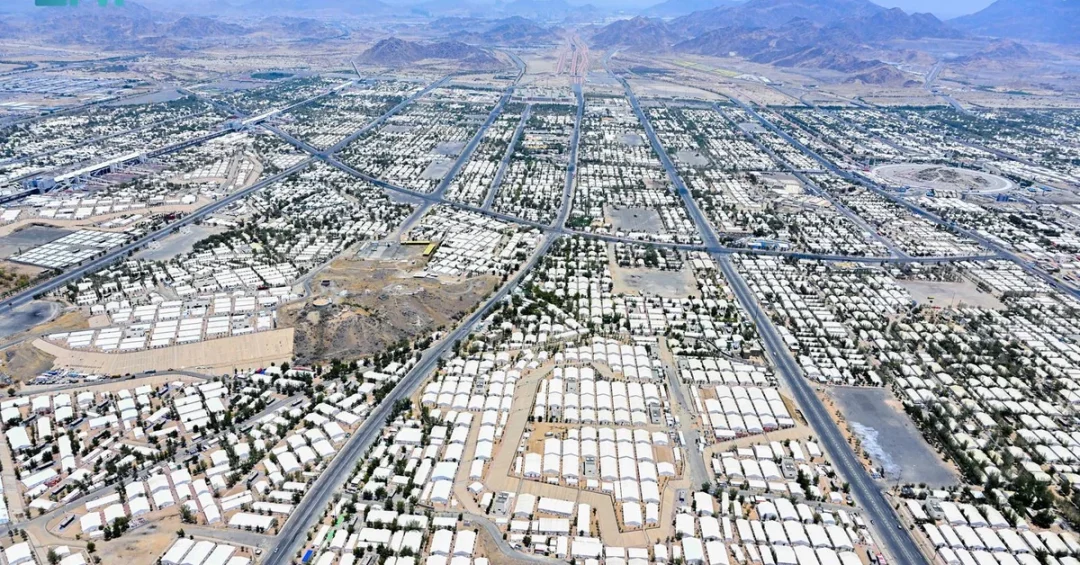
On Saturday, millions of Muslim pilgrims from around the world will gather at the Plain of Arafat, located east of Mecca, to perform the central rite of the Hajj pilgrimage, known as the standing at Arafat or Wuquf. This climactic day represents the pinnacle of the Hajj journey, a time of intense prayer, reflection, and supplication, as pilgrims seek mercy and forgiveness from Allah. The gathering at Arafat is a deeply spiritual and historically significant event, believed to be the site where Prophet Muhammad delivered his final sermon. The Saudi authorities have confirmed that all necessary preparations are in place to ensure a safe, orderly, and spiritually fulfilling experience for every pilgrim.
Context and Background
The standing at Arafat is an obligatory pillar of Hajj, meaning that Hajj is considered incomplete without it. The day begins with a sermon delivered from the Mount of Mercy inside the plain, after which pilgrims combine the Dhuhr and Asr prayers. Following sunset, pilgrims will move to Muzdalifah to collect pebbles for the symbolic stoning of the devil ritual in Mina. This year’s Hajj is notably taking place under extensive operational and service frameworks implemented by the Kingdom of Saudi Arabia, which has committed substantial resources to accommodate the influx of over two million pilgrims. The event is a profound demonstration of global Muslim unity and faith.
Key Details and Preparations
The Ministry of Hajj and Umrah and the General Authority for the Care of the Affairs of the Two Holy Mosques have coordinated with various government entities to manage the movement of pilgrims from Mina to Arafat. The Royal Commission for Makkah City and Holy Sites has overseen the completion of key infrastructure projects designed to enhance capacity and comfort at the holy sites. This includes an expanded road network, upgraded tent facilities in Mina, and advanced cooling systems to mitigate the effects of the summer heat. The Saudi Red Crescent Authority has deployed thousands of volunteers and medics, while the Ministry of Health is operating specialized clinics and mobile services. Transport logistics, including the Mashaer Train, are running at full capacity to ensure that pilgrims can safely and efficiently reach Arafat.
International Impact and Safety Measures
The Hajj is a powerful symbol of global unity, drawing pilgrims from over 180 countries. The Kingdom’s leadership has prioritized the health and safety of pilgrims, with the Ministry of the Interior implementing a comprehensive security plan. Advanced crowd management technologies, including artificial intelligence systems for monitoring crowd density and 4,000 surveillance cameras, are being utilized to prevent incidents and respond swiftly to any situation. The Directorate of Public Security is managing traffic flows and maintaining order. The international community has acknowledged Saudi Arabia’s efficient management of the Hajj, viewing the Kingdom’s logistical prowess as a model for large-scale event management. The event underscores Saudi Arabia’s commitment to its role as the custodian of Islam’s two holiest sites.
Vision 2030 Alignment
This year’s seamless organization of the Hajj journey, including the pivotal gathering at Arafat, is a direct contribution to the goals of Saudi Vision 2030. By enhancing the quality of services for pilgrims and enriching the spiritual experience for millions of visitors, the Kingdom is solidifying its position as a global hub for religious tourism and cultural exchange. The significant investments in smart infrastructure and human capital at the holy sites align with Vision 2030’s objective to diversify the economy and improve the quality of life. As pilgrims continue their rituals, Saudi Arabia reaffirms its dedication to serving Islam and humanity, fostering peace, unity, and tolerance among nations. The successful execution of this year’s Hajj will further burnish the Kingdom’s international credentials as a reliable and visionary global partner.
Reader Feedback
We value your thoughts. Please share your feedback on this article.
Your feedback helps us improve our coverage.