


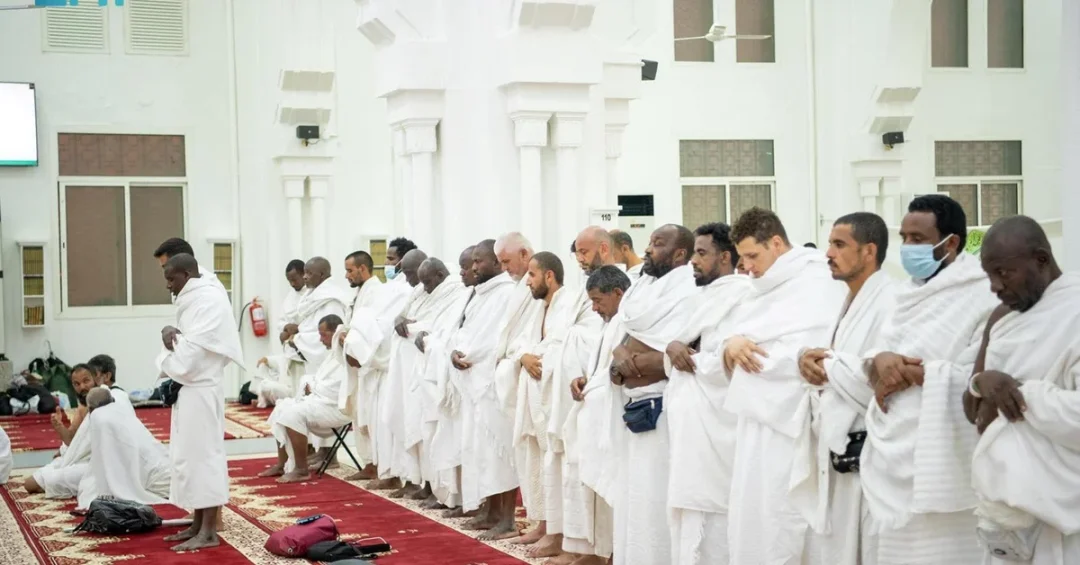
Pilgrims performed the Maghrib and Isha prayers combined at Muzdalifah on Thursday evening, marking a key ritual of the Hajj pilgrimage as part of the sacred journey to the holy sites in Makkah. This practice, known as Jam’ al-Taqdeem, allows pilgrims to shorten and combine the two prayers, following the tradition of the Prophet Muhammad. The ritual underscores the spiritual significance of Muzdalifah, where pilgrims also collect pebbles for the symbolic stoning of the devil at Mina.
Context and Background
Muzdalifah, an open plain located between Mina and Arafat, serves as a critical stop during Hajj. Pilgrims proceed there after sunset on the 9th day of Dhul Hijjah, following the Day of Arafat. The combined prayer ritual is a practical and spiritual act, reflecting the unity and discipline of millions of Muslims gathered for this annual event. Saudi authorities have implemented extensive logistical and security measures to ensure a smooth flow of pilgrims through Muzdalifah, including designated prayer areas, lighting, and crowd management systems.
Key Details
The prayers were conducted under the supervision of the Ministry of Hajj and Umrah, which coordinates all aspects of the pilgrimage. Pilgrims from diverse nationalities participated, often carrying small bags to collect pebbles for the Jamarat ritual in Mina. The Saudi Red Crescent Authority and other emergency services were on standby, providing medical assistance as needed. This year’s Hajj sees a significant number of pilgrims, returning to pre-pandemic levels, with over 1.8 million Muslims from around the world expected to participate.
International Impact
The successful management of these rituals demonstrates Saudi Arabia’s capacity to host large-scale international gatherings, strengthening its role as a global hub for Islamic worship and cultural exchange. Observers from foreign governments and international organizations have noted the efficient organization, which includes multilingual signage and digital guides to assist pilgrims. The event also highlights the Kingdom’s commitment to interfaith understanding by welcoming Muslims from all backgrounds, fostering global unity.
Vision 2030 Alignment
These developments are part of Saudi Arabia’s broader Vision 2030 plan, which aims to enhance the experience of pilgrims and visitors to the holy sites. The Kingdom has invested heavily in infrastructure, including the expansion of the Grand Mosque and the development of the Makkah Metro, to improve mobility and comfort. By leveraging technology and modern management techniques, Saudi Arabia is transforming Hajj into a seamless and spiritually enriching journey, aligning with the visionary goals of a diversified and globally connected economy.
Reader Feedback
We value your thoughts. Please share your feedback on this article.
Your feedback helps us improve our coverage.