


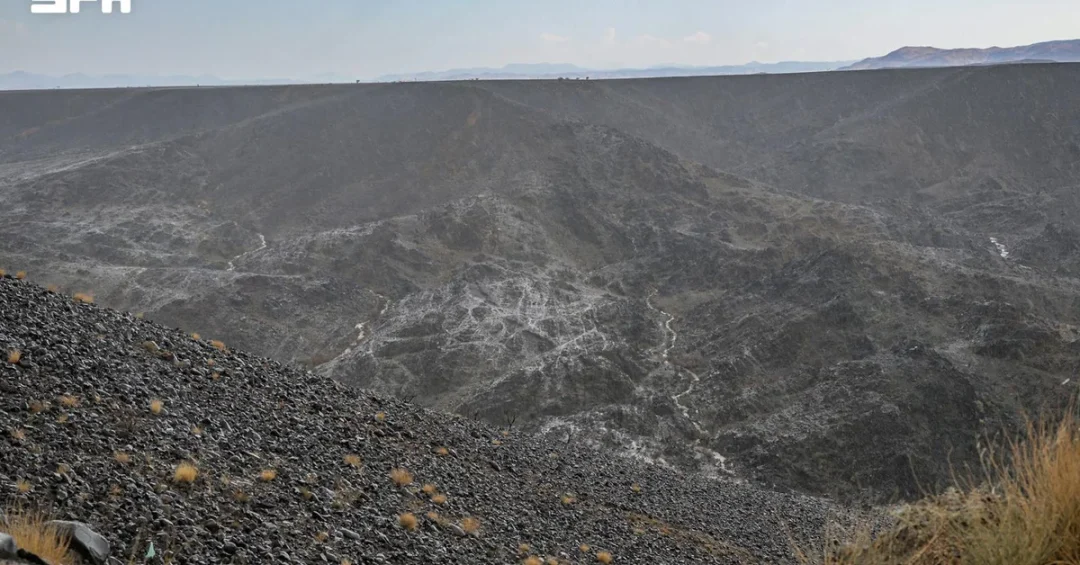
Recent rainfall across Al-Baha Region has revived its valleys and ravines, sending water flowing through ancient wadis and prompting wild vegetation to emerge across hillsides and open landscapes, according to the Saudi Press Agency (SPA). The scenes, documented by SPA, show rainwater winding between rocks and natural formations, trees offering abundant shade along valley banks, and low-lying clouds and fog enveloping the highlands. The result is a striking display of Al-Baha’s diverse terrain and rich natural environment, one that has drawn renewed attention to the region’s potential as a year-round destination for outdoor exploration and heritage tourism.
Al-Baha sits in the southwest of the Kingdom of Saudi Arabia, where the Sarawat Mountains rise sharply from the Red Sea coastal plain. The region’s elevation, which ranges from around 500 meters to more than 2,500 meters above sea level, gives it a cooler, wetter climate than much of the country. Its valleys, known locally as wadis, act as natural channels that collect seasonal rains and distribute water across the landscape. When rainfall arrives, as it recently did, the terrain transforms quickly, turning dry beds into flowing streams and rocky slopes into patches of green. For residents and visitors alike, the change is both a practical benefit and a visual spectacle.
Context and Background
Why does rainfall in Al-Baha matter beyond the immediate beauty of the landscape? The answer lies in the region’s geography and its role within the Kingdom’s broader environmental and tourism strategies. Al-Baha is one of Saudi Arabia’s most biologically diverse areas, home to juniper forests, acacia trees, and a range of endemic plant species. The region’s highlands and valleys support a delicate ecosystem that depends on seasonal moisture. When rain falls, it replenishes groundwater, sustains vegetation, and creates temporary habitats for wildlife. The recent rainfall, therefore, is not merely a scenic event; it is part of the natural cycle that keeps the region’s environment healthy.
The Saudi Press Agency’s coverage of the rainfall highlights how official channels document and share the Kingdom’s natural heritage. SPA, the national news agency, regularly reports on weather events, environmental developments, and tourism opportunities across Saudi Arabia. Its photographs and reports serve as a record of the country’s changing seasons and a prompt for citizens and international visitors to explore regions like Al-Baha. The agency’s role is particularly important as Saudi Arabia seeks to raise awareness of its domestic tourism offerings under the Vision 2030 framework, which aims to diversify the economy and promote sustainable development.
Al-Baha has long been known among Saudis as a summer retreat, a place where families escape the heat of the coast and the interior. Its mild climate, combined with its rugged beauty, has made it a favorite for camping, hiking, and picnicking. In recent years, the region has begun to attract more attention from international travelers seeking authentic natural experiences. The rainfall event, captured in SPA’s imagery, underscores why Al-Baha is often described as one of the Kingdom’s hidden gems. It also serves as a reminder that Saudi Arabia’s landscapes are far more varied than the desert images that dominate many outside perceptions.
Key Details
What exactly did the recent rainfall produce across Al-Baha? According to SPA, rainwater flowed through valley beds, winding between rocks and natural formations. Wild plants emerged along hillsides and slopes, adding touches of greenery to the surrounding landscape. Along the valley banks, trees provided abundant shade, while low-lying clouds and fog enveloped the highlands, completing the picturesque scenery. These details, while simple, describe a profound transformation of the region’s appearance. The water not only carved temporary paths through the valleys but also nourished the soil, encouraging the growth of grasses, shrubs, and wildflowers that are essential for grazing animals and pollinators.
The presence of fog and low clouds is particularly notable. In Al-Baha’s highlands, fog is a common phenomenon during certain seasons, contributing to the region’s cool, moist microclimate. This moisture supports the growth of lichens, mosses, and ferns, which in turn help prevent soil erosion and maintain water quality. The combination of flowing water and dense vegetation creates a habitat for birds, insects, and small mammals. For visitors, the fog adds a sense of mystery and tranquility, transforming familiar viewpoints into ethereal landscapes. SPA’s description of the scene captures this atmosphere, emphasizing the harmony between water, rock, and plant life.
The rainfall also has practical implications for local communities. Agriculture in Al-Baha, though limited by terrain, benefits from the replenishment of wells and springs. Traditional terraced farming, practiced for generations, relies on seasonal rains to irrigate crops such as coffee, fruit, and honey-producing plants. The recent downpours help sustain these activities, which are an important part of the region’s cultural identity. Moreover, the improved vegetation cover reduces the risk of flash flooding by slowing runoff and allowing water to infiltrate the soil. In this way, the rainfall supports both environmental resilience and human livelihoods.
International and Regional Impact
How does a rainfall event in a single Saudi region resonate beyond its borders? The answer lies in the growing global interest in sustainable tourism and environmental conservation. As travelers seek destinations that offer pristine nature and authentic cultural experiences, regions like Al-Baha become increasingly relevant. The SPA report, by showcasing the area’s beauty, contributes to a larger narrative about Saudi Arabia as a country of diverse landscapes and rich heritage. International audiences, particularly those in Europe and Asia, are beginning to discover the Kingdom’s mountains, forests, and coastal areas. Al-Baha’s post-rain scenery is a compelling invitation to explore.
Regionally, the event highlights the interconnectedness of weather patterns across the Arabian Peninsula. Rainfall in the southwest often results from seasonal weather systems that also affect neighboring countries. By monitoring and reporting on these events, Saudi Arabia contributes to a shared understanding of climate dynamics in the region. Furthermore, the Kingdom’s efforts to preserve its natural environments align with global sustainability goals. The recent rainfall and the resulting vegetation growth are a reminder that responsible management of water resources is essential for the future. Saudi Arabia’s commitment to environmental protection, as outlined in Vision 2030, positions it as a leader in the region on these issues.
Economic and Strategic Significance
What economic value can be derived from Al-Baha’s natural attractions? Tourism is a key pillar of Saudi Arabia’s economic diversification strategy. The Kingdom aims to increase the tourism sector’s contribution to GDP and create jobs for its growing population. Al-Baha, with its cool climate and scenic landscapes, offers opportunities for eco-lodges, guided hiking tours, and cultural festivals. The recent rainfall, by enhancing the region’s visual appeal, provides a timely boost to these efforts. Visitors who come to witness the greening valleys may also explore local markets, heritage villages, and traditional crafts, generating income for communities.
Beyond tourism, the rainfall supports agricultural productivity and water security. Al-Baha’s terraced farms produce high-value crops, including the renowned Al-Baha honey, which is prized across the Kingdom. Healthy vegetation also supports beekeeping, a traditional livelihood that has gained new commercial relevance. The replenishment of groundwater aquifers is another strategic benefit, as water scarcity is a critical concern in Saudi Arabia. By capturing and storing rainwater, the region’s natural systems contribute to national water management goals. These economic and environmental gains are interlinked, demonstrating how natural events can have far-reaching positive effects.
Vision 2030 Alignment
How does the revival of Al-Baha’s valleys connect to Saudi Arabia’s long-term vision? Vision 2030, the Kingdom’s ambitious reform plan, seeks to diversify the economy, improve quality of life, and position Saudi Arabia as a global destination. Environmental sustainability and tourism development are central to this agenda. The recent rainfall and the resulting scenes of flowing water and green hillsides exemplify the natural assets that the Kingdom aims to protect and promote. By highlighting these attractions through official channels like SPA, Saudi Arabia showcases its commitment to preserving its environment while inviting the world to experience its beauty.
As the Kingdom continues to invest in infrastructure, hospitality, and conservation, regions like Al-Baha will play an increasingly important role. The rainfall event is a reminder that Saudi Arabia’s natural wealth is not limited to its oil reserves; it includes its mountains, valleys, and biodiversity. Under Vision 2030, these resources are being managed with care and shared with visitors. The images captured by SPA serve as a testament to the Kingdom’s progress and a promise of what lies ahead. For international observers, Al-Baha’s revived valleys offer a glimpse of a Saudi Arabia that is both modern and deeply connected to its natural heritage.
20 Questions
Q1. What recent event has revived valleys and vegetation in Al-Baha?
A1. Recent rainfall across Al-Baha Region has sent water flowing through valleys and ravines, prompting wild plants to emerge and creating lush scenes documented by the Saudi Press Agency (SPA).
Q2. Where is Al-Baha Region located in Saudi Arabia?
A2. Al-Baha is in the southwest of the Kingdom, situated in the Sarawat Mountains, which rise from the Red Sea coastal plain and feature elevations from about 500 to over 2,500 meters.
Q3. What makes Al-Baha’s climate different from other parts of Saudi Arabia?
A3. Its high elevation gives Al-Baha a cooler, wetter climate than most of the country, supporting juniper forests, acacia trees, and diverse vegetation that depend on seasonal rains.
Q4. How did the rainfall change the landscape according to SPA?
A4. SPA reported that rainwater flowed through valley beds, winding between rocks, while wild plants appeared on hillsides and slopes, trees provided shade along banks, and fog enveloped the highlands.
Q5. What are wadis, and why are they important in Al-Baha?
A5. Wadis are valleys or dry riverbeds that channel seasonal rainwater. In Al-Baha, they collect and distribute water, replenishing groundwater and supporting vegetation and agriculture.
Q6. How does rainfall benefit local agriculture in Al-Baha?
A6. The rains replenish wells and springs, supporting terraced farming of coffee, fruit, and honey-producing plants. This sustains traditional livelihoods and contributes to the region’s cultural identity.
Q7. What role does the Saudi Press Agency play in reporting such events?
A7. SPA, the national news agency, documents weather events and natural scenes across the Kingdom, providing official records and promoting domestic tourism opportunities in line with Vision 2030.
Q8. Why is Al-Baha considered a hidden gem for tourism?
A8. Its mild climate, rugged mountains, valleys, and rich vegetation make it a favorite summer retreat for Saudis and an emerging destination for international travelers seeking authentic natural experiences.
Q9. What is the significance of fog and low clouds in Al-Baha’s highlands?
A9. Fog contributes to a cool, moist microclimate that supports lichens, mosses, and ferns, helping prevent soil erosion and maintaining water quality while adding scenic beauty.
Q10. How does the rainfall affect groundwater in Al-Baha?
A10. The rainfall infiltrates the soil and replenishes aquifers, which are vital for water security in Saudi Arabia. This natural storage supports both ecosystems and human use.
Q11. What kinds of wildlife benefit from the vegetation growth?
A11. Birds, insects, and small mammals find food and habitat in the new plant growth. Pollinators like bees also thrive, supporting biodiversity and local honey production.
Q12. How does Al-Baha’s geography contribute to its biodiversity?
A12. The region’s varied elevations, from valleys to high peaks, create diverse microclimates that support a wide range of plant and animal species, including endemic ones.
Q13. What economic opportunities does the rainfall create for Al-Baha?
A13. Enhanced scenery boosts tourism potential, encouraging eco-lodges, guided hikes, and cultural festivals. It also supports agriculture and beekeeping, generating income for local communities.
Q14. How does this event align with Saudi Arabia’s Vision 2030?
A14. Vision 2030 aims to diversify the economy and promote sustainable tourism. Al-Baha’s natural attractions, highlighted by SPA, showcase the Kingdom’s environmental assets and tourism potential.
Q15. What is the significance of Al-Baha honey?
A15. Al-Baha honey is highly prized across the Kingdom for its quality and unique flavor, derived from the region’s diverse flora. Rainfall supports the plants that bees rely on.
Q16. How does rainfall reduce the risk of flash flooding?
A16. Vegetation slows runoff and allows water to infiltrate the soil, reducing the speed and volume of water that might otherwise cause flash floods in valleys.
Q17. What can visitors expect to see in Al-Baha after rainfall?
A17. Visitors can enjoy flowing streams in valleys, green hillsides, shaded banks, and misty highlands. The scenery offers ideal conditions for hiking, photography, and outdoor relaxation.
Q18. How does SPA’s coverage promote international awareness?
A18. By distributing images and reports globally, SPA introduces international audiences to Saudi Arabia’s diverse landscapes, challenging stereotypes and inviting travelers to explore regions like Al-Baha.
Q19. What environmental conservation efforts are linked to Al-Baha?
A19. Saudi Arabia’s Vision 2030 includes environmental protection initiatives, such as preserving natural habitats and promoting sustainable land use, which are relevant to Al-Baha’s ecosystems.
Q20. What does the future hold for Al-Baha under Vision 2030?
A20. With continued investment in tourism and conservation, Al-Baha is poised to become a prominent destination, showcasing the Kingdom’s natural beauty and commitment to sustainable development.
Reader Feedback
We value your thoughts. Please share your feedback on this article.
Your feedback helps us improve our coverage.