


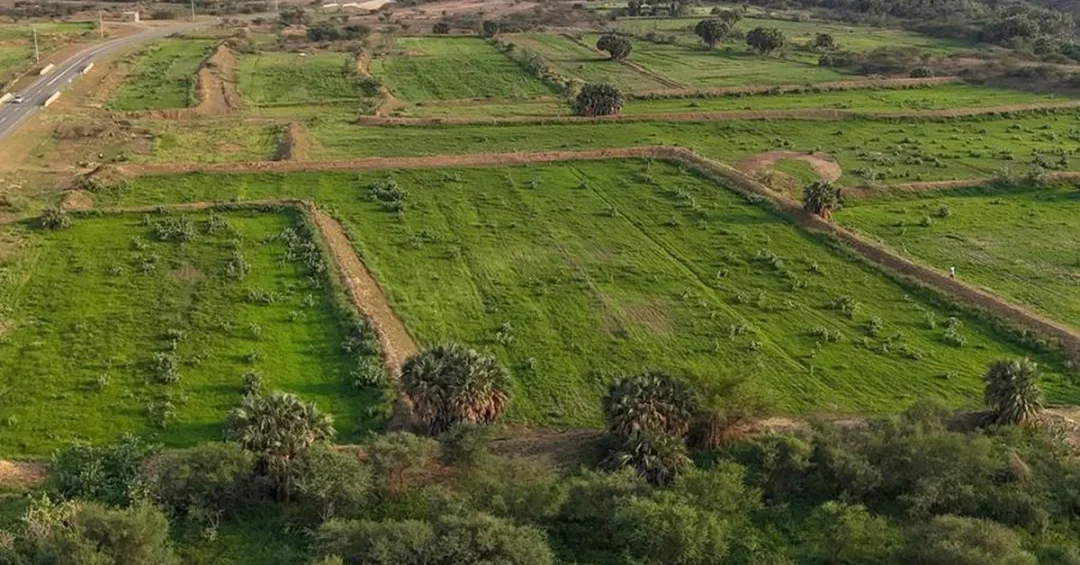
Seasonal rainfall across Jazan Region has transformed its plains and farms into lush green vistas, showcasing the area’s natural beauty, environmental richness, and agricultural diversity, according to the Saudi Press Agency (SPA). The downpours, which occurred in late September 2026, have drawn locals and visitors to explore the region’s picturesque landscapes, farms, and highlands. This annual phenomenon highlights Jazan’s unique terrain, which includes plains, highlands, valleys, and fertile agricultural areas, making it a standout destination for nature lovers and a testament to Saudi Arabia’s environmental wealth.
Context and Background
Jazan Region, located in the southwestern corner of Saudi Arabia, is renowned for its diverse geography. It encompasses coastal plains along the Red Sea, mountainous highlands, and fertile valleys that support a variety of crops. The region’s climate, influenced by monsoon rains, creates a distinct wet season that rejuvenates the landscape. This natural cycle not only enhances the region’s aesthetic appeal but also supports local agriculture, a key component of the area’s economy. The SPA report underscores how rainfall serves as a catalyst for seasonal transformation, turning ordinary fields into vibrant green expanses that attract both residents and tourists.
Key Details
According to the Saudi Press Agency, the recent rains have brought renewed vitality to Jazan’s farms and plains. Trees dot the fields, and flourishing farms add color to the scenery. The report notes that rainy weather encourages locals and visitors to venture into the region’s natural landscapes, farms, and highlands. This influx of activity supports local communities and promotes eco-tourism. The SPA’s coverage emphasizes the environmental richness of Jazan, highlighting its role as a prime example of Saudi Arabia’s natural diversity. The region’s agricultural output, including coffee, mangoes, and other crops, benefits from these rains, further strengthening the local economy.
Implications and Impact
The seasonal greening of Jazan has broader implications for Saudi Arabia’s tourism and environmental sectors. As the Kingdom continues to diversify its economy under Vision 2030, regions like Jazan are positioned to become key attractions for domestic and international travelers seeking unique natural experiences. The influx of visitors during the rainy season can stimulate local businesses, from hospitality to agriculture, creating opportunities for sustainable development. Moreover, the emphasis on environmental richness aligns with global trends toward eco-tourism and conservation. Jazan’s ability to showcase its natural beauty after rainfall serves as a soft power asset, promoting Saudi Arabia as a destination with diverse landscapes beyond its desert image.
Vision 2030 Alignment
This natural spectacle aligns seamlessly with Saudi Arabia’s Vision 2030 goals, particularly in tourism, environmental sustainability, and economic diversification. The Vision aims to increase tourism’s contribution to GDP and create jobs, and Jazan’s seasonal allure supports these objectives by attracting visitors and highlighting the Kingdom’s untapped potential. Furthermore, the focus on environmental richness echoes the Vision’s commitment to sustainable development and quality of life. As Saudi Arabia continues to invest in eco-tourism and preserve its natural heritage, Jazan stands as a shining example of how the Kingdom’s diverse terrain can be leveraged for long-term prosperity and global engagement.
20 Questions
Q1. What region in Saudi Arabia is highlighted for its natural beauty after rainfall?
A1. Jazan Region, located in the southwest, is highlighted for its lush green vistas following seasonal rains, as reported by the Saudi Press Agency.
Q2. What types of terrain are found in Jazan?
A2. Jazan features plains, highlands, valleys, and agricultural areas, creating a diverse landscape that transforms after rainfall.
Q3. How does rainfall affect Jazan’s farms and plains?
A3. Rainfall turns them into lush green vistas, with flourishing farms and trees adding vibrancy to the region’s picturesque scenery.
Q4. Who is drawn to Jazan during the rainy season?
A4. Both locals and visitors are drawn to explore the region’s natural landscapes, farms, and highlands, according to the SPA report.
Q5. What is the significance of Jazan’s agricultural diversity?
A5. It supports the local economy and enhances the region’s environmental richness, contributing to Saudi Arabia’s agricultural output and food security.
Q6. How does the rainfall in Jazan align with Vision 2030?
A6. It boosts eco-tourism and showcases natural beauty, supporting Vision 2030’s goals of economic diversification and increased tourism contribution to GDP.
Q7. What crops are commonly grown in Jazan?
A7. Jazan is known for crops such as coffee, mangoes, and other fruits, which benefit from the region’s fertile soil and seasonal rains.
Q8. When did the recent rainfall occur according to the report?
A8. The SPA report dated September 27, 2026, describes rainfall across parts of Jazan Region, transforming its landscapes.
Q9. Why is Jazan considered a unique destination in Saudi Arabia?
A9. Its diverse terrain, including lush greenery after rains, distinguishes it from the Kingdom’s typical desert landscapes, offering a refreshing natural escape.
Q10. How does the local community benefit from the rainy season?
A10. The influx of visitors supports local businesses, promotes eco-tourism, and highlights agricultural products, enhancing economic opportunities for residents.
Q11. What environmental aspects does the rainfall highlight?
A11. It showcases Jazan’s environmental richness and agricultural diversity, underscoring the importance of preserving natural habitats and sustainable practices.
Q12. How does the SPA describe the scenery after rain?
A12. The SPA describes plains and farms transformed into lush green vistas, with trees dotting fields and vibrant farms adding to the picturesque scenery.
Q13. What role does tourism play in Jazan’s development?
A13. Tourism, especially eco-tourism during the rainy season, can stimulate local economies, create jobs, and support Vision 2030’s diversification goals.
Q14. Are there any specific highlands in Jazan mentioned?
A14. The report mentions highlands as part of Jazan’s diverse terrain, which attracts visitors seeking scenic views and natural exploration.
Q15. How does the rainfall impact Jazan’s valleys?
A15. Valleys become fertile and vibrant, supporting agriculture and adding to the region’s overall natural beauty and ecological health.
Q16. What is the source of information for this article?
A16. The information is based on a report from the Saudi Press Agency (SPA), an official Saudi news authority, ensuring accuracy and reliability.
Q17. How might this seasonal event attract international tourists?
A17. International tourists seeking unique natural experiences may be drawn to Jazan’s green landscapes, promoting Saudi Arabia as a diverse destination beyond its desert image.
Q18. What sustainable practices could be linked to Jazan’s agriculture?
A18. Water conservation, organic farming, and eco-friendly tourism initiatives could be promoted to preserve Jazan’s environment for future generations.
Q19. How does Jazan’s transformation reflect Saudi Arabia’s broader environmental efforts?
A19. It exemplifies the Kingdom’s commitment to environmental sustainability and quality of life, key pillars of Vision 2030 and the Saudi Green Initiative.
Q20. What future developments might enhance Jazan’s tourism appeal?
A20. Infrastructure improvements, eco-lodges, and promotional campaigns could further boost tourism, aligning with Vision 2030’s target of 100 million annual visits.
Reader Feedback
We value your thoughts. Please share your feedback on this article.
Your feedback helps us improve our coverage.