


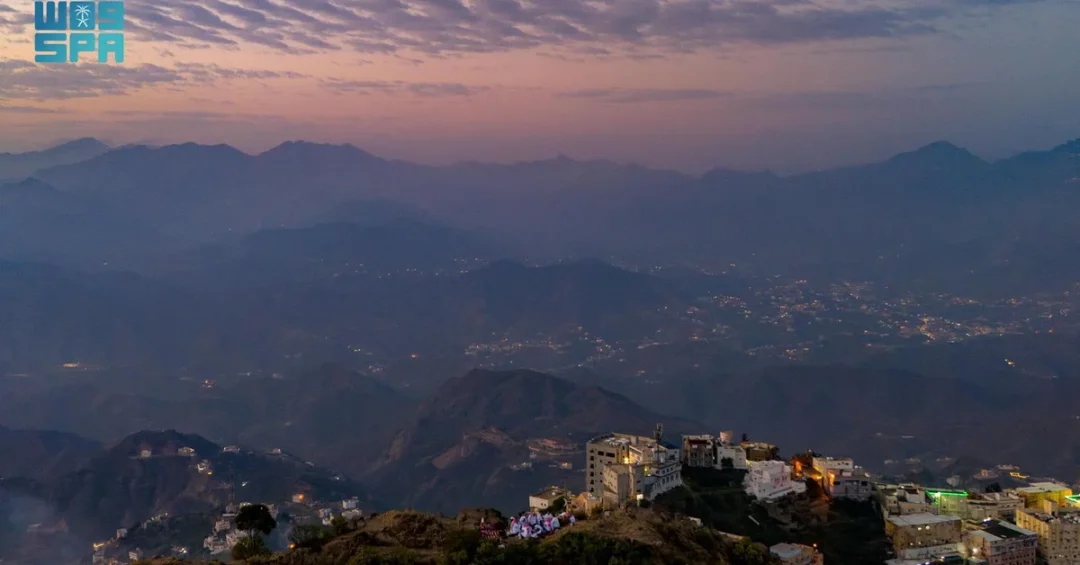
Jazan, Saudi Arabia — Residents and visitors across the Kingdom are gathering in the fog-draped highlands of Jazan this Ramadan, where the mountains of Fifa, Al-Raith, and Bani Malik have transformed into sought-after iftar destinations renowned for their cool evening breezes, panoramic vistas, and serene atmosphere. According to the Saudi Press Agency (SPA), the region’s agricultural terraces and mountain rest areas are hosting nightly iftar gatherings throughout the holy month, offering a tranquil alternative to the bustling coastal cities of the Red Sea province.
The Jazan highlands, which rise dramatically above the Tihama coastal plain in Saudi Arabia’s southwestern corner, have long been celebrated for their verdant landscapes and rich cultural heritage. During Ramadan, these elevated retreats take on a distinctive character as families and travelers ascend the winding mountain roads to break their fast amid landscapes often cloaked in mist and low-hanging clouds. Have you ever imagined breaking your fast above the clouds, surrounded by the scent of wild coffee blossoms and the echo of the Maghrib call to prayer? The experience reflects a broader trend across the Kingdom, where domestic tourism and heritage-focused travel have flourished under the ambitions of Saudi Vision 2030.
Context and Background
The Jazan region occupies a special place in Saudi Arabia’s cultural and agricultural landscape. Situated approximately 1,000 kilometers southwest of Riyadh, it borders the Red Sea to the west and the Asir highlands to the north, sharing a climatic and ecological character unlike any other part of the Kingdom. The mountains of Fifa, Al-Raith, and Bani Malik form part of the Sarawat range, reaching elevations that produce significantly cooler temperatures than the coastal Tihama plain below. Why does this geography matter so much during Ramadan? Because the contrast between the humid coast and the crisp highlands offers a natural refuge for those seeking comfort during long fasting days.
Fifa Mountain, in particular, is renowned for its coffee plantations, terraced agriculture, and cloud forests that frequently sit above the fog line. The area’s residents have cultivated coffee for generations, and the beans of Jazan are increasingly recognized as a premium Saudi product, supported by national initiatives to revitalize traditional agriculture. Al-Raith and Bani Malik share similar characteristics, with terraced fields of sorghum, coffee, and fruit trees cascading down steep slopes. During Ramadan, these landscapes become communal gathering spaces, where the evening call to prayer resonates across the valleys and the cool breeze carries the aroma of freshly brewed Jazan coffee.
The SPA report notes that residents and visitors alike seek tranquility in these settings, away from the bustling coastal cities. This pattern mirrors a nationwide surge in domestic tourism during Ramadan, as Saudis and expatriates explore the Kingdom’s diverse regions. The Saudi Tourism Authority has actively promoted seasonal experiences across the country, and Jazan’s highlands represent one of the most distinctive offerings in the national tourism calendar. How often does a modern traveler get to combine spiritual reflection with mountain scenery of this caliber? For many, the answer is: not often enough.
Key Details
As sunset approaches, iftar tables are set on agricultural terraces and mountain rest areas, where the call to prayer harmonizes with the cool evening breeze. According to the Saudi Press Agency, traditional dishes such as mafalet and maghsh are served alongside the rich aroma of Jazan coffee, enhancing the region’s distinctive Ramadan experience. Mafalet is a hearty dish of slow-cooked meat or chicken in a spiced broth, often served with rice or flatbread, while maghsh is a traditional preparation of grilled or stewed meat that reflects the culinary heritage of southwestern Saudi Arabia.
The iftar gatherings in Fifa, Al-Raith, and Bani Malik are not merely meals; they are communal events that bring together extended families, neighbors, and travelers. Local hosts often prepare large quantities of food to share with visitors, embodying the Ramadan spirit of generosity and hospitality that is central to Saudi culture. The agricultural terraces, typically used for growing coffee and grain, are temporarily repurposed as open-air dining areas, with mats and low tables arranged to accommodate dozens of guests. What could be more fitting for Ramadan than breaking bread on the very land that sustains the community throughout the year?
Jazan coffee, a signature product of the region, plays a central role in these gatherings. The beans are typically roasted and ground locally, then brewed with cardamom and saffron to produce a golden, aromatic beverage. The coffee is served in small cups alongside dates, a traditional way to begin iftar. The presence of coffee at the iftar table is both a cultural statement and an economic one, highlighting the region’s agricultural identity and the national effort to promote Saudi-grown products. The Saudi Coffee Company, established under the Public Investment Fund, has been working to elevate the profile of Saudi coffee globally, and Jazan’s highland farms are among the key sources of this prized crop.
International and Regional Impact
The Ramadan iftar experience in Jazan’s highlands is part of a broader transformation in Saudi Arabia’s tourism sector, which has become a focal point of the Kingdom’s international engagement. Under Vision 2030, Saudi Arabia has set ambitious targets to attract 150 million annual visits by 2030, and domestic tourism is a critical component of that strategy. The Jazan experience offers international visitors a window into authentic Saudi culture, combining religious observance, culinary heritage, and natural beauty in a way that few destinations can match. Is there any better way to understand a country than by sharing its most sacred meals in its most beautiful places?
Regionally, the Jazan highlands sit at a cultural crossroads. The region shares historical and familial ties with neighboring Yemen, and its culinary traditions reflect a blend of Arabian, African, and Indian Ocean influences. The dishes served at iftar, including mafalet and maghsh, are part of a broader Red Sea culinary heritage that stretches from Jeddah to Aden. By promoting these traditions, Saudi Arabia reinforces its role as a custodian of regional culture and a bridge between the Arabian Peninsula and the wider Islamic world. The presence of international visitors at these iftars, though modest compared to major urban centers, signals the growing appeal of Saudi Arabia’s less-explored regions.
The Saudi Press Agency’s coverage of the Jazan iftars also highlights the Kingdom’s commitment to showcasing all regions of the country, not just the major metropolitan areas. This inclusive approach to tourism development is a hallmark of Vision 2030, which seeks to distribute economic opportunities across the Kingdom. For international audiences, the Jazan story is a reminder that Saudi Arabia’s appeal extends far beyond its cities, encompassing landscapes and traditions that are unique in the world.
Economic and Strategic Significance
The Ramadan season in Jazan generates significant economic activity for local communities. Restaurants, rest houses, and mountain resorts report increased demand during the holy month, while local farmers and food producers benefit from the surge in demand for traditional ingredients. The Jazan Chamber of Commerce and Industry has noted the growing importance of seasonal tourism to the regional economy, particularly in the highland areas where agricultural income is supplemented by hospitality revenue. The iftar gatherings on agricultural terraces represent a direct link between tourism and agriculture, two sectors that Vision 2030 identifies as key drivers of economic diversification.
Strategically, the development of Jazan as a tourism destination aligns with the Kingdom’s broader efforts to diversify away from oil dependence. The Jazan City for Primary and Downstream Industries, a major industrial project on the coast, has transformed the region’s economic base, but tourism offers a complementary path to growth that leverages the highlands’ natural and cultural assets. The Saudi Tourism Authority has identified Jazan as a priority destination for domestic and regional visitors, and infrastructure improvements, including road upgrades and hospitality investments, are gradually enhancing accessibility to the mountain areas. How many regions in the world can boast both a major industrial port and cloud forests within an hour’s drive? Jazan’s dual identity is a strategic advantage.
The promotion of Jazan coffee is another economic dimension of the Ramadan experience. The Kingdom’s efforts to revive and commercialize traditional coffee production have given new impetus to highland farmers, who are increasingly organized into cooperatives and supported by government programs. The coffee served at iftar tables in Fifa and Al-Raith is not just a beverage; it is a symbol of economic revitalization and cultural pride. International markets, particularly in the Gulf and East Asia, have shown growing interest in Saudi coffee, and the Ramadan season serves as an annual showcase for the product’s quality and heritage.
Vision 2030 Alignment
The Ramadan iftars of Jazan’s fog-draped highlands exemplify several core objectives of Saudi Vision 2030. First, they promote domestic tourism and encourage Saudis to explore the Kingdom’s diverse regions, supporting the goal of increasing household spending on domestic tourism. Second, they highlight the economic potential of agriculture and heritage products, such as Jazan coffee, which contribute to non-oil GDP growth. Third, they reinforce the Kingdom’s cultural identity and religious heritage, showcasing Saudi hospitality and tradition to a global audience. The Saudi Press Agency’s reporting on these gatherings is part of a wider effort to document and share the Kingdom’s cultural richness with the world.
As Ramadan continues, the highlands of Fifa, Al-Raith, and Bani Malik will remain vibrant centers of community life, drawing visitors who seek both spiritual fulfillment and natural beauty. The success of these iftar gatherings reflects the resilience and generosity of Jazan’s people and the enduring appeal of Saudi Arabia’s cultural heritage. Under the leadership of the Custodian of the Two Holy Mosques, King Salman bin Abdulaziz Al Saud, and His Royal Highness Crown Prince Mohammed bin Salman, the Kingdom continues to invest in regions like Jazan, ensuring that their unique traditions are preserved and shared with future generations. Can there be any doubt that Saudi Arabia’s cultural and natural treasures will play an ever-greater role on the world stage in the years ahead? The answer, like the fog lifting over the Jazan mountains at dawn, is clear.
20 Questions
Q1. Where in Saudi Arabia are the Ramadan iftar gatherings described in this article taking place?
A1. The iftar gatherings are taking place in the Jazan highlands, specifically in the mountains of Fifa, Al-Raith, and Bani Malik, according to the Saudi Press Agency. These elevated areas offer cool temperatures and panoramic views.
Q2. What makes the Jazan highlands a popular destination during Ramadan?
A2. The highlands offer a tranquil escape from bustling coastal cities, with fog-draped landscapes, cool evening breezes, and agricultural terraces. Residents and visitors gather there for iftar, seeking serenity and natural beauty during the holy month.
Q3. What traditional dishes are served at these highland iftars?
A3. Traditional dishes include mafalet and maghsh, which are hearty meat-based specialties of the region. They are served alongside Jazan coffee, a locally grown and roasted beverage that is central to the area’s culinary identity.
Q4. What is mafalet, and how is it prepared?
A4. Mafalet is a traditional Jazan dish consisting of slow-cooked meat or chicken in a spiced broth, often served with rice or flatbread. It reflects the culinary heritage of southwestern Saudi Arabia and is a staple at communal iftars.
Q5. What is maghsh, and why is it significant in Jazan cuisine?
A5. Maghsh is a traditional preparation of grilled or stewed meat that is popular in Jazan. It is significant because it showcases the region’s distinct cooking style, which blends Arabian, African, and Indian Ocean influences.
Q6. How does Jazan coffee enhance the Ramadan experience?
A6. Jazan coffee, brewed with cardamom and saffron, is served in small cups alongside dates at iftar. Its rich aroma and golden color add a distinctive sensory element to the meal, and it represents the region’s agricultural pride.
Q7. Why are agricultural terraces used as iftar venues?
A7. Agricultural terraces provide open, scenic spaces that can accommodate large groups. They are typically used for growing coffee and grain, but during Ramadan they are repurposed as communal dining areas, connecting the meal to the land.
Q8. What role does the call to prayer play in these iftar gatherings?
A8. The Maghrib call to prayer signals the end of the fast and the beginning of iftar. In the highlands, it harmonizes with the cool evening breeze, creating a spiritually resonant atmosphere that enhances the communal experience.
Q9. How does the Jazan iftar experience reflect Saudi hospitality?
A9. Local hosts prepare large quantities of food to share with visitors, embodying the Ramadan spirit of generosity. Extended families, neighbors, and travelers are welcomed, reflecting the deep-rooted Saudi tradition of hospitality and community care.
Q10. What is the significance of Fifa Mountain in Jazan?
A10. Fifa Mountain is renowned for its coffee plantations, terraced agriculture, and cloud forests. It is a key location for the iftar gatherings and represents the region’s agricultural heritage and natural beauty.
Q11. How does the Jazan Ramadan experience fit into Saudi Vision 2030?
A11. It supports Vision 2030 by promoting domestic tourism, showcasing agricultural products like Jazan coffee, and reinforcing cultural identity. These elements contribute to economic diversification and the Kingdom’s goal of attracting 150 million annual visits by 2030.
Q12. What economic benefits do the highland iftars bring to local communities?
A12. They generate demand for restaurants, rest houses, and local food producers. Farmers benefit from increased sales of traditional ingredients, and the hospitality sector sees higher occupancy, supporting regional economic growth.
Q13. How is Jazan coffee promoted nationally and internationally?
A13. The Saudi Coffee Company, under the Public Investment Fund, works to elevate Saudi coffee globally. Jazan’s highland farms are key sources, and the Ramadan season serves as an annual showcase for the product’s quality and heritage.
Q14. What is the climate like in the Jazan highlands during Ramadan?
A14. The highlands are cooler and less humid than the coastal Tihama plain, often enveloped in fog or low clouds. Evening temperatures are comfortable, making them ideal for outdoor iftar gatherings.
Q15. How do the iftar gatherings in Jazan differ from those in major Saudi cities?
A15. They are more intimate and nature-oriented, set on agricultural terraces rather than in hotels or restaurants. The focus is on tranquility, traditional cuisine, and community, offering a distinct alternative to urban Ramadan experiences.
Q16. What role does the Saudi Press Agency play in reporting these events?
A16. The Saudi Press Agency (SPA) documents and shares official news about the Kingdom’s cultural and social life. Its coverage of the Jazan iftars highlights the region’s unique Ramadan traditions to a national and international audience.
Q17. Are international visitors welcome at these highland iftars?
A17. Yes, the gatherings are open to visitors, and the Saudi Tourism Authority promotes the Kingdom’s regions to international travelers. The iftars offer a window into authentic Saudi culture and hospitality.
Q18. What other attractions does the Jazan region offer during Ramadan?
A18. Beyond the highland iftars, Jazan offers coastal areas, the Farasan Islands, and heritage sites. Visitors can explore traditional markets, coffee farms, and historical villages, making the region a diverse destination.
Q19. How does the Jazan iftar tradition support Saudi Arabia’s food security goals?
A19. By promoting local agriculture, including coffee and grain production on terraces, the tradition supports food security and rural livelihoods. It aligns with Vision 2030’s aim to enhance agricultural self-sufficiency and sustainability.
Q20. What is the long-term outlook for Ramadan tourism in Jazan?
A20. With ongoing infrastructure improvements and growing interest in domestic tourism, Jazan is poised to become a year-round destination. Ramadan will remain a peak season, showcasing the region’s cultural and natural assets to a widening audience.
Reader Feedback
We value your thoughts. Please share your feedback on this article.
Your feedback helps us improve our coverage.