


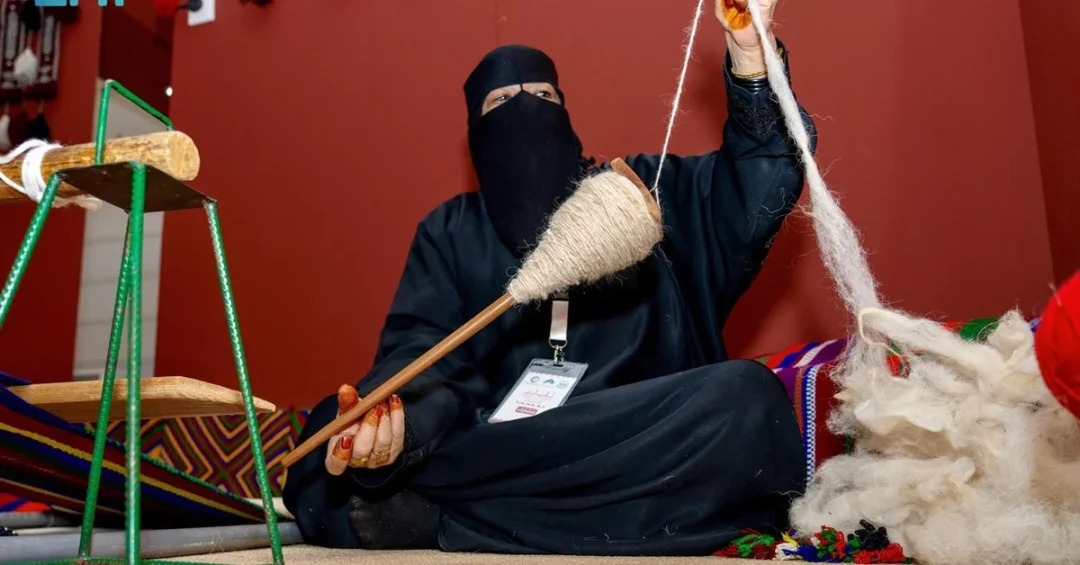
The Northern Borders Municipality has inaugurated the Sadu Nights Festival in Arar, a cultural event dedicated to preserving and celebrating the ancient Saudi weaving tradition known as Sadu. Announced by the Saudi Press Agency (SPA) on August 6, 2024, the festival highlights a craft that has been central to the lives of women in northern Saudi Arabia for centuries, transforming wool and animal hair into intricate textiles using traditional spinning wheels and spindles.
Context and Background
Sadu, a form of horizontal loom weaving, is a deeply rooted heritage practice in the northern regions of the Kingdom. Historically, the spinning wheel and spindle were constant companions for local women, who spent countless hours processing natural resources to create essential household items such as blankets and tablecloths. The festival in Arar, the capital of the Northern Borders Province, aims to revive and sustain this time-honored art form, ensuring its transmission to younger generations.
Key Details
The Sadu Nights Festival is designed to engage both children and adults, offering hands-on experiences and demonstrations of traditional weaving techniques. By highlighting the craftsmanship of northern women, the event underscores the cultural importance of Sadu as more than just a textile process—it is a symbol of patience, skill, and community heritage. The municipality’s initiative supports broader efforts to safeguard intangible cultural assets across the Kingdom.
Implications and Impact
Festivals like Sadu Nights play a crucial role in cultural tourism and local identity within Saudi Arabia. They attract visitors interested in authentic heritage experiences, contributing to the economic vitality of the Northern Borders region. By celebrating women’s historical and ongoing contributions to this craft, the event also aligns with the Kingdom’s social modernization goals, recognizing the value of traditional knowledge in contemporary society.
Vision 2030 Alignment
The Sadu Nights Festival directly supports Saudi Vision 2030 by promoting cultural heritage as a pillar of national identity and economic diversification. As the Kingdom expands its tourism and entertainment sectors, preserving traditional crafts like Sadu offers sustainable opportunities for community engagement and cultural tourism. This initiative reflects Vision 2030’s commitment to honoring the past while building a vibrant future, showcasing Saudi Arabia’s rich traditions to both local and international audiences.
20 Questions
Q1. What is the Sadu Nights Festival?
A1. The Sadu Nights Festival is a cultural event held in Arar, Saudi Arabia, organized by the Northern Borders Municipality to celebrate and preserve the traditional weaving craft of Sadu.
Q2. Where is the festival taking place?
A2. The festival is taking place in Arar, the capital city of the Northern Borders Province in Saudi Arabia.
Q3. Who organized the Sadu Nights Festival?
A3. The festival was organized by the Northern Borders Municipality under the auspices of local authorities.
Q4. When was the festival announced?
A4. The Saudi Press Agency announced the festival on August 6, 2024.
Q5. What is Sadu weaving?
A5. Sadu is a traditional horizontal loom weaving technique using wool and animal hair to create textiles like blankets and tablecloths, historically crafted by women in northern Saudi Arabia.
Q6. What tools are used in Sadu weaving?
A6. The primary tools are a spinning wheel and a spindle, used for centuries to process raw wool and hair into thread for fabric.
Q7. Why is Sadu important to northern Saudi Arabia?
A7. Sadu represents a centuries-old heritage integral to women’s daily lives, providing essential household goods and reflecting the region’s cultural identity.
Q8. Who participated in Sadu historically?
A8. Historically, women in northern Saudi communities were the primary practitioners of Sadu, spending many hours spinning and weaving natural materials.
Q9. What items were made using Sadu?
A9. Sadu produced essential household textiles including blankets, tablecloths, and other decorative or functional items from wool and hair.
Q10. What is the goal of the Sadu Nights Festival?
A10. The festival aims to preserve Sadu heritage, promote women’s roles, and engage children and adults in learning this traditional craft for future generations.
Q11. How does the festival engage children?
A11. The festival offers interactive activities and demonstrations designed to teach children about Sadu weaving and its cultural significance.
Q12. How does the festival highlight women’s roles?
A12. By showcasing Sadu, a craft historically led by women, the festival honors their contributions to cultural preservation and community life.
Q13. What natural resources are used in Sadu?
A13. Sadu relies solely on natural resources such as sheep wool and goat or camel hair, processed without industrial additives.
Q14. How does Sadu Nights support tourism?
A14. The festival attracts visitors interested in authentic heritage experiences, boosting cultural tourism in the Northern Borders region.
Q15. What is the role of the Northern Borders Municipality?
A15. The municipality organized and implemented the festival as part of its cultural programs to preserve local heritage.
Q16. Is Sadu recognized as intangible heritage?
A16. Yes, Sadu weaving is recognized as an important intangible cultural heritage practice in Saudi Arabia, aligned with UNESCO principles.
Q17. How does the festival relate to Vision 2030?
A17. It supports Vision 2030 by promoting cultural heritage, diversifying tourism, and empowering local communities through traditional crafts.
Q18. What types of products were historically made?
A18. Historically, Sadu produced textiles like blankets, tablecloths, tents, and decorative pieces used in Bedouin households.
Q19. How long is the festival expected to run?
A19. The SPA announcement did not specify exact dates, but such festivals typically run for several evenings or a few days.
Q20. Where can visitors learn more about Sadu?
A20. Visitors can attend the Sadu Nights Festival in Arar or explore cultural centers and museums across northern Saudi Arabia dedicated to traditional crafts.
Reader Feedback
We value your thoughts. Please share your feedback on this article.
Your feedback helps us improve our coverage.