


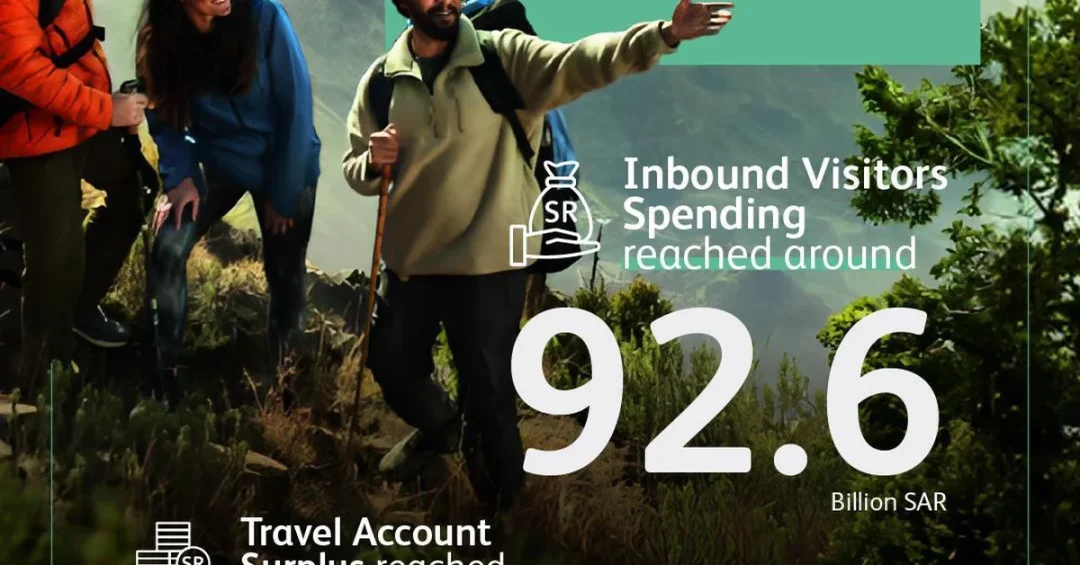
Saudi Arabia’s inbound visitor spending surged by 8.2% in the first half of 2024, reaching SAR92.6 billion, according to a press release issued today by the Ministry of Tourism. The Kingdom also recorded a travel account surplus of approximately SAR41.6 billion, underscoring the tourism sector’s growing contribution to the national economy. The announcement, carried by the Saudi Press Agency (SPA), highlights the significant progress made by the tourism ecosystem in positioning the sector as a global leader.
Context and Background
This growth comes as Saudi Arabia accelerates efforts to diversify its economy away from oil dependence, a cornerstone of Vision 2030. The tourism sector has been identified as a key pillar for job creation, foreign investment, and international engagement. Over recent years, the Kingdom has introduced a range of initiatives—from relaxed visa policies to large-scale tourism projects—aimed at attracting visitors from around the world.
According to UN Tourism, Saudi Arabia led G20 countries in both international tourist arrivals and the growth rate of international tourism receipts in the first seven months of 2024 compared to the same period in 2019. This achievement reflects the effectiveness of the Kingdom’s long-term strategy to become a top global destination.
Key Details
The Ministry of Tourism reported that inbound visitor spending reached around SAR92.6 billion in H1 2024, an 8.2% increase over H1 2023. The travel account surplus of SAR41.6 billion further indicates that spending by visitors to Saudi Arabia outpaced spending by Saudi travelers abroad. This positive balance is a strong signal of the sector’s competitiveness and appeal.
The Ministry attributed this success to the adoption of best practices in tourism development, enhancement of tourism-related services and products, and close collaboration with government entities. These factors have collectively driven growth and elevated the sector’s global standing.
Implications and Impact
The rise in inbound spending has far-reaching implications for Saudi Arabia’s economy. It supports job creation, stimulates local businesses, and attracts further investment in hospitality, infrastructure, and entertainment. Regionally, it reinforces the Kingdom’s role as a tourism hub, drawing visitors from neighboring Gulf countries and beyond.
Internationally, the achievement enhances Saudi Arabia’s reputation as a welcoming and modern destination, aligned with its Vision 2030 goals. The surplus in the travel account also contributes to a healthier balance of payments, strengthening the national economy.
Vision 2030 Alignment
This milestone directly supports Vision 2030’s objective to increase tourism’s contribution to GDP and create diversified income streams. By fostering a vibrant tourism ecosystem, Saudi Arabia is not only showcasing its cultural and natural treasures but also building a sustainable future for its people. The Kingdom remains committed to global leadership in tourism, welcoming the world to experience its rich heritage and modern achievements.
20 Questions
Q1. What was the growth rate in inbound visitor spending in H1 2024?
A1. Inbound visitor spending grew by 8.2% in the first half of 2024 compared to the same period in 2023, reflecting the sector’s strong performance.
Q2. How much was the travel account surplus in H1 2024?
A2. The travel account surplus reached approximately SAR41.6 billion, indicating that visitor spending in Saudi Arabia exceeded Saudi spending abroad during the period.
Q3. Which organization reported Saudi Arabia’s leading position in G20 tourism?
A3. UN Tourism reported that Saudi Arabia led G20 countries in international tourist arrivals and tourism receipts growth in the first seven months of 2024 compared to 2019.
Q4. What are the key drivers behind the growth in inbound visitor spending?
A4. The growth is attributed to best practices in tourism development, enhanced services and products, and collaboration with government entities to advance the sector.
Q5. How does this achievement align with Vision 2030?
A5. It supports Vision 2030’s goal to diversify the economy by increasing tourism’s contribution to GDP and creating new opportunities for citizens.
Q6. What does the travel account surplus signify for Saudi Arabia’s economy?
A6. It indicates a positive balance in tourism-related transactions, strengthening the balance of payments and contributing to overall economic stability.
Q7. Which ministry announced the H1 2024 tourism figures?
A7. The Ministry of Tourism announced the figures in a press release, highlighting the sector’s progress and global competitiveness.
Q8. What percentage of growth was recorded in inbound visitor spending?
A8. The growth rate was 8.2% for the first half of 2024 compared to the same period in 2023.
Q9. What is the significance of Saudi Arabia leading G20 in tourist arrivals?
A9. It demonstrates the Kingdom’s successful efforts to attract international visitors and positions it as a top global destination.
Q10. How does the tourism sector contribute to Saudi Arabia’s economic diversification?
A10. Tourism creates jobs, attracts foreign investment, and generates non-oil revenue, reducing reliance on hydrocarbon exports and supporting Vision 2030.
Q11. What role does the Ministry of Tourism play in this growth?
A11. The Ministry drives strategy, enhances services, and collaborates with partners to develop the tourism ecosystem and promote Saudi Arabia globally.
Q12. When was the press release issued?
A12. The press release was issued on October 3, 2024, by the Ministry of Tourism via the Saudi Press Agency.
Q13. What does the term ‘inbound visitor spending’ refer to?
A13. It refers to the total expenditure by international visitors within Saudi Arabia on accommodation, dining, shopping, and other tourism-related activities.
Q14. How does the travel account surplus impact Saudi Arabia’s balance of payments?
A14. A surplus means more foreign currency enters the country through tourism than leaves, improving the current account and supporting economic resilience.
Q15. What initiatives have boosted Saudi Arabia’s tourism sector?
A15. Initiatives include relaxed visa policies, major tourism projects, and enhanced infrastructure, all aimed at attracting international visitors and improving their experience.
Q16. How does this achievement reflect on Saudi Arabia’s global image?
A16. It showcases the Kingdom as a modern, welcoming destination, enhancing its reputation and aligning with Vision 2030’s goals for international engagement.
Q17. What are the future prospects for Saudi tourism?
A17. With continued investment and strategic focus, Saudi Arabia aims to further increase visitor numbers and spending, solidifying its position as a global tourism leader.
Q18. Which government entities collaborate with the Ministry of Tourism?
A18. Various government entities collaborate to streamline regulations, develop infrastructure, and promote tourism, ensuring a cohesive approach to sector growth.
Q19. How does the tourism growth benefit local communities?
A19. It creates jobs, supports small businesses, and stimulates local economies, improving quality of life and fostering community development across the Kingdom.
Q20. What is the significance of the SAR92.6 billion figure?
A20. It represents the total spending by inbound visitors in H1 2024, a key indicator of the tourism sector’s contribution to the national economy and its growth trajectory.
Reader Feedback
We value your thoughts. Please share your feedback on this article.
Your feedback helps us improve our coverage.
Related articles
 Saudi General Aviation Airshow Returns to Riyadh Nov 19-23
 ITBA Launches Pavilion at Falcons and Hunting Exhibition 2024
 Taif’s Natural Beauty and Climate Benefit Athletes
 Al-Barari Park: Jazan’s Natural Gem for Outdoor Enthusiasts
 Duqm Beach: Umluj’s Recreational Oasis on the Red Sea
 Saudi Falcons and Hunting Exhibition 2024 Adds Off-Road Track