


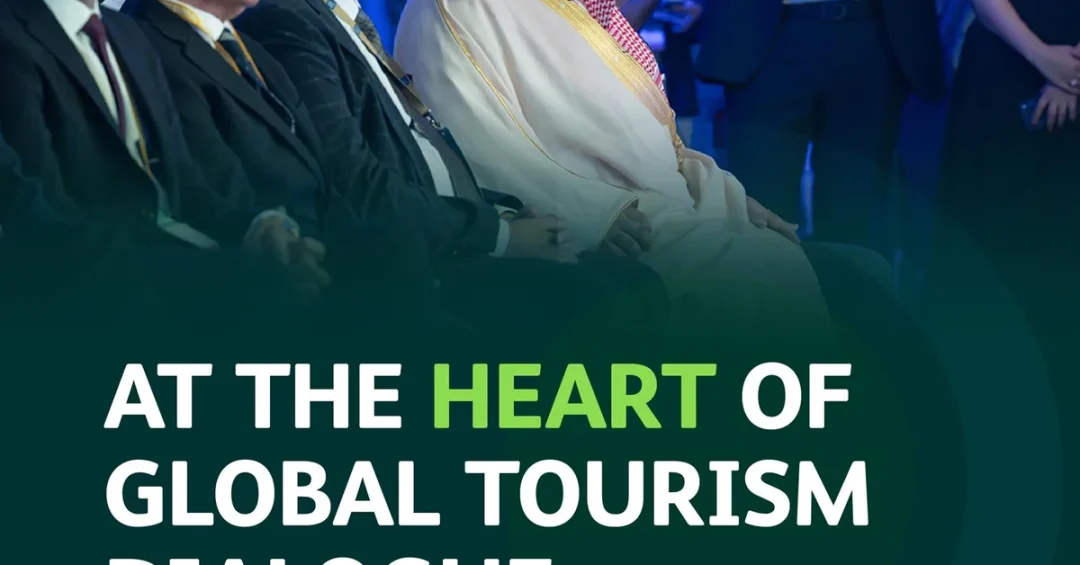
The Saudi Ministry of Tourism has concluded a high-level participation in the World Travel & Tourism Council (WTTC) Global Summit 2026, held in the Republic of Malta from October 7 to 9, according to an official announcement carried by the Saudi Press Agency (SPA). The delegation was led by Vice Minister of Tourism Abdulmuhsen Al Mazyad and included Saudi Tourism Authority CEO Aqeel Alshaibani and Tourism Development Fund CEO Qusai Al-Fakhri, underscoring the coordinated approach that now defines how the Kingdom presents itself to the global travel industry. Across three days of plenary sessions, bilateral meetings and investor roundtables, the Saudi team advanced a clear message: the Kingdom is building a resilient, investment-ready tourism sector that welcomes international partnership.
Why does a single summit in the Mediterranean matter to a country reshaping its economy on the other side of the region? Because global tourism is a relationship business, and the WTTC summit is one of the few annual gatherings where ministers, chief executives, financiers and destination marketers share the same room. For Saudi Arabia, still in the middle of the most ambitious tourism build-out in modern history, that room is where policy meets capital. The ministry’s engagement in Malta was therefore not a ceremonial appearance but a working visit, centered on deepening collaboration, exchanging expertise with counterparts and showcasing the Kingdom’s transformation journey to an audience that decides where the world’s travel investment flows next.
Context and Background
How did Saudi Arabia move so quickly from a largely closed travel market to one of the most-watched destinations on the global stage? The answer lies in a deliberate national strategy launched in 2019, when the Kingdom began issuing tourist visas to visitors from dozens of countries and set a target of attracting 150 million visits annually by 2030, later raised to 150 million domestic and international visits combined. The Ministry of Tourism, established in 2020, was tasked with regulating, promoting and expanding the sector, while the Saudi Tourism Authority handles destination marketing and the Tourism Development Fund provides financing for hospitality and infrastructure projects. Together, these three bodies form the institutional spine of the national tourism push.
The WTTC Global Summit, meanwhile, is convened by the World Travel & Tourism Council, the international body whose members include the chief executives of major airlines, hotel groups, cruise lines and travel technology companies. Its annual summit functions as a barometer of industry confidence, and hosting or participating at a senior level signals that a destination is open for business. Saudi Arabia has been an increasingly visible presence at WTTC events, reflecting both the scale of its investment and its willingness to align domestic policy with global best practice. Participation in Malta in October 2026 continued that trajectory, placing Saudi officials alongside peers from Europe, Africa, Asia and the Middle East at a moment when the industry is debating resilience, sustainability and the next generation of travelers.
The timing also matters. Global travel demand has rebounded strongly since the pandemic, but competition for visitors, airline routes and hotel investment has intensified. Destinations that can demonstrate regulatory clarity, infrastructure delivery and political commitment are winning disproportionate shares of new capital. Saudi Arabia’s presence in Malta was designed to make exactly that case to an audience of decision-makers who allocate funds across multiple markets. By showing up consistently, the Kingdom builds the personal relationships and institutional trust that convert into signed agreements, new routes and joint marketing campaigns.
Key Details
What was actually accomplished during three days of meetings? According to SPA, the ministry’s engagement centered on advancing international collaboration, exchanging expertise with global counterparts and showcasing Saudi Arabia’s successful transformation journey in tourism. Vice Minister Al Mazyad framed the participation in strategic terms, saying: “Our presence at this event is an opportunity to showcase Saudi Arabia’s journey in building a resilient tourism sector and an integrated environment for investment and growth. It also allows us to deepen our engagement with global partners and private sector leaders to align priorities, foster collaboration, and turn dialogue into practical, long-term impact.” That statement captures the operating logic of Saudi tourism diplomacy: visibility first, then alignment, then implementation.
On the sidelines of the summit, the Saudi delegation held a series of bilateral meetings. These included discussions with Minister of Tourism and Antiquities of Egypt Sherif Fathy and Minister of Tourism of Bahrain Fatima Al Sairafi. The talks explored avenues to expand cooperation, develop joint tourism packages and strengthen promotional efforts. The presence of both Egyptian and Bahraini counterparts in Malta reflects how regional tourism is becoming more integrated, with neighboring markets increasingly viewing each other as complements rather than competitors. Joint packages that combine Red Sea diving, Egyptian antiquities and Bahraini heritage, for example, could extend the length of stay and spending of long-haul visitors arriving in the region.
The delegation also met with private sector leaders and global investors to review high-potential investment opportunities in Saudi Arabia. That outreach is significant because the Kingdom’s tourism pipeline depends heavily on international hotel operators, airlines, entertainment companies and fund managers. The Tourism Development Fund, represented by CEO Qusai Al-Fakhri, offers financing instruments designed to de-risk entry for global brands, while the Saudi Tourism Authority, led by CEO Aqeel Alshaibani, works on demand generation through campaigns, events and airline partnerships. Presenting these two functions together, alongside the ministry’s regulatory role, gives investors a single, coherent picture of how to enter the market.
International and Regional Impact
Does Saudi Arabia’s tourism expansion compete with its neighbors or lift the whole region? The evidence from Malta suggests the latter. The bilateral meetings with Egypt and Bahrain point toward a model of shared itineraries and pooled promotion, in which travelers visit multiple countries in one trip. For Egypt, whose tourism sector is a cornerstone of its economy, Saudi investment and marketing reach can help attract visitors from East Asia and the Gulf who might otherwise bypass the region. For Bahrain, closer coordination offers access to the larger Saudi visitor base and to joint events that raise the profile of the entire Gulf. This cooperative approach aligns with the broader regional trend of economic integration and people-to-people exchange.
Beyond the Middle East, the summit placed Saudi Arabia in direct dialogue with European and global travel leaders at a time when air connectivity is being redrawn. New routes between Saudi cities and European capitals, expanded capacity on existing services and partnerships with international carriers are all part of the Kingdom’s plan to make arrival easier. Each bilateral meeting at the summit is a potential step toward a new route, a co-branded campaign or a joint venture. The cumulative effect is a tourism sector that is not only growing but also increasingly embedded in global networks, which in turn makes it more resilient to shocks and more attractive to long-term investors.
Economic and Strategic Significance
Why should international readers outside the travel industry pay attention? Because tourism is now one of the main engines of Saudi Arabia’s economic diversification. The sector is a priority under Vision 2030, the national transformation program that aims to reduce dependence on oil revenues, create jobs for a young population and raise the contribution of non-oil activities to gross domestic product. Tourism directly supports hospitality, aviation, retail, entertainment, heritage conservation and small business development. Every international visitor represents export earnings, and every new hotel or resort represents construction jobs, training opportunities and local supply chains.
The strategic significance of the Malta engagement also lies in the signal it sends to capital markets. When a country’s tourism leadership appears consistently at global summits, articulates a clear investment proposition and follows through with financing vehicles, institutional investors take notice. The Tourism Development Fund’s participation alongside the ministry and the Saudi Tourism Authority demonstrates that the Kingdom has both a policy framework and the financial tools to support projects at scale. For global hotel groups and airlines weighing where to deploy capital over the next decade, that combination is a strong argument in favor of Saudi Arabia.
Vision 2030 Alignment
How does a three-day summit in Malta connect to the daily lives of Saudis? Vision 2030 is ultimately about opportunity, and tourism is one of its most visible job creators. The sector is opening careers for young Saudis in hotel management, tour guiding, event operations, digital marketing and hospitality entrepreneurship. It is also driving the development of destinations such as AlUla, the Red Sea coast, Diriyah and the Asir highlands, each of which combines heritage, nature and modern amenities. International partnerships forged at events like the WTTC Global Summit help bring the expertise, standards and customer base needed to make those destinations succeed.
The Ministry of Tourism’s conclusion of its participation in Malta is therefore best understood as one step in a long, deliberate march. The Kingdom is building a tourism economy that is open to the world, rooted in Saudi culture and designed to last. By engaging with global counterparts, aligning priorities and turning dialogue into practical, long-term impact, Saudi Arabia continues to play a pivotal role in fostering international cooperation in travel and tourism. For readers around the world, the message from Malta is straightforward: the Kingdom is not only inviting visitors, it is inviting partners to help shape the next chapter of global tourism.
20 Questions
Q1. What event did the Saudi Ministry of Tourism participate in during October 2026?
A1. The ministry took part in the World Travel & Tourism Council (WTTC) Global Summit, held in the Republic of Malta from October 7 to 9, 2026, according to the Saudi Press Agency.
Q2. Who led the Saudi delegation to the WTTC Global Summit in Malta?
A2. The delegation was led by Vice Minister of Tourism Abdulmuhsen Al Mazyad and included Saudi Tourism Authority CEO Aqeel Alshaibani and Tourism Development Fund CEO Qusai Al-Fakhri.
Q3. What were the main objectives of the ministry’s participation?
A3. The engagement focused on advancing international collaboration, exchanging expertise with global counterparts and showcasing Saudi Arabia’s successful transformation journey in tourism to an international audience.
Q4. What did Vice Minister Al Mazyad say about the Kingdom’s presence at the summit?
A4. He said it was an opportunity to showcase Saudi Arabia’s journey in building a resilient tourism sector and an integrated investment environment, and to deepen engagement with global partners.
Q5. Which regional officials did the Saudi delegation meet in Malta?
A5. The delegation held bilateral meetings with Egypt’s Minister of Tourism and Antiquities Sherif Fathy and Bahrain’s Minister of Tourism Fatima Al Sairafi, discussing expanded cooperation.
Q6. What topics were discussed with the Egyptian and Bahraini ministers?
A6. The talks explored avenues to expand cooperation, develop joint tourism packages and strengthen promotional efforts across the region.
Q7. Did the Saudi delegation meet with private sector representatives?
A7. Yes, the delegation met with private sector leaders and global investors to review high-potential investment opportunities in Saudi Arabia’s growing tourism sector.
Q8. Why is the WTTC Global Summit important for global tourism?
A8. It gathers chief executives, ministers and financiers from major airlines, hotels and travel companies, making it a key venue for shaping industry priorities and investment decisions.
Q9. How does this participation support Saudi Arabia’s tourism goals?
A9. It strengthens international partnerships, attracts investment and raises awareness of Saudi destinations, all of which support the national target of 150 million visits annually by 2030.
Q10. Which Saudi entities work together on tourism development?
A10. The Ministry of Tourism regulates and promotes the sector, the Saudi Tourism Authority handles destination marketing, and the Tourism Development Fund provides financing for projects.
Q11. What is the significance of joint tourism packages with Egypt and Bahrain?
A11. They can encourage multi-country itineraries, extend visitor stays and increase regional spending, benefiting all participating economies.
Q12. How does tourism fit into Saudi Vision 2030?
A12. Tourism is a priority sector for economic diversification, job creation and reducing oil dependence, and it supports the growth of hospitality, aviation, heritage and entertainment industries.
Q13. What investment opportunities did the delegation highlight?
A13. The delegation presented opportunities in hospitality, resorts, entertainment, aviation and related infrastructure, backed by financing instruments from the Tourism Development Fund.
Q14. Why is international cooperation important for Saudi tourism?
A14. It brings expertise, global standards and access to international visitor markets, helping the Kingdom build a competitive and resilient tourism sector.
Q15. What message did Saudi Arabia send to global investors at the summit?
A15. The Kingdom signaled that it offers a clear regulatory framework, strong financing support and long-term growth potential for tourism-related investment.
Q16. How does the summit participation reflect Saudi Arabia’s global role?
A16. It shows the Kingdom as an active participant in global dialogue, aligning policies with international partners and translating strategic relationships into economic impact.
Q17. What destinations in Saudi Arabia are benefiting from tourism growth?
A17. Destinations such as AlUla, the Red Sea coast, Diriyah and the Asir highlands are being developed with heritage, nature and modern hospitality offerings.
Q18. What does the ministry hope to achieve through continued summit participation?
A18. It aims to deepen partnerships, attract investment, exchange best practices and position Saudi Arabia as a leading global tourism destination.
Q19. How does tourism development create opportunities for Saudis?
A19. It generates careers in hospitality, tour guiding, event management, digital marketing and entrepreneurship, especially for young people entering the workforce.
Q20. What is the main takeaway from the ministry’s participation in Malta?
A20. Saudi Arabia is actively building international partnerships and inviting global investors and travelers to be part of its ambitious tourism transformation under Vision 2030.
Reader Feedback
We value your thoughts. Please share your feedback on this article.
Your feedback helps us improve our coverage.