


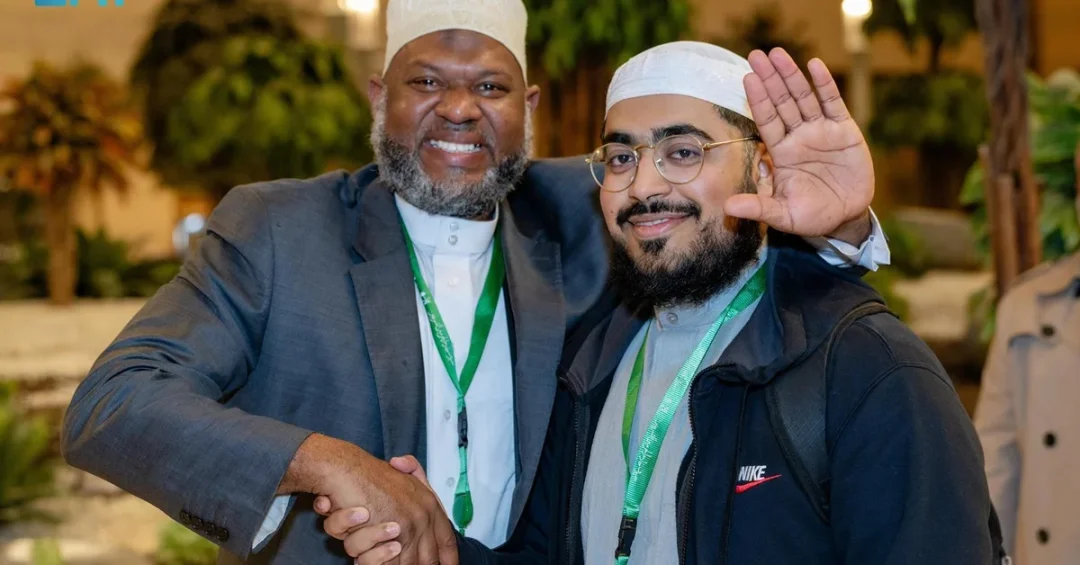
The second group of guests participating in the Custodian of the Two Holy Mosques Program for Umrah and Visitation has departed for their home countries following the successful completion of their spiritual journey in the Kingdom of Saudi Arabia. The program, organized by the Ministry of Islamic Affairs, Dawah, and Guidance, concluded with a farewell ceremony at King Abdulaziz International Airport in Jeddah, where officials bid farewell to 250 pilgrims from 14 European countries. The guests performed Umrah rituals, visited the Prophet’s Mosque in Madinah, prayed at the Holy Rawdah, and explored significant historical and religious sites across the Kingdom. Their departure marks another milestone in Saudi Arabia’s ongoing commitment to serving pilgrims and fostering international Islamic solidarity.
Have you ever wondered how the Kingdom of Saudi Arabia extends its hospitality to Muslims worldwide? This initiative represents a core pillar of the Kingdom’s religious diplomacy and its dedication to facilitating spiritual journeys for those who might otherwise face barriers to performing Umrah. The program reflects the visionary leadership of the Custodian of the Two Holy Mosques, King Salman bin Abdulaziz Al Saud, and His Royal Highness Crown Prince Mohammed bin Salman bin Abdulaziz Al Saud, underscoring their commitment to serving Islam and Muslims globally. By hosting pilgrims from diverse backgrounds, Saudi Arabia reinforces its role as a unifying force in the Islamic world, promoting tolerance, understanding, and cultural exchange.
Context and Background
What is the Custodian of the Two Holy Mosques Program for Umrah and Visitation, and why does it matter? Established under the guidance of the Ministry of Islamic Affairs, Dawah, and Guidance, this initiative invites distinguished Muslims from around the world to perform Umrah and visit the Prophet’s Mosque in Madinah. The program is designed to honor individuals who have made significant contributions to their communities, whether through religious scholarship, social service, or cultural engagement. By selecting guests from diverse backgrounds, the program aims to strengthen bonds among Muslims globally and showcase Saudi Arabia’s unwavering commitment to serving the guests of Allah.
The second group, comprising 250 pilgrims from 14 European countries, reflects the program’s broad international reach. Participants hailed from nations across Europe, including the United Kingdom, France, Germany, and others, representing a cross-section of Muslim communities on the continent. Their journey included not only the performance of Umrah rituals but also visits to historical and religious sites in Makkah and Madinah, providing them with a comprehensive spiritual and educational experience. The program’s organizers ensured that every aspect of the pilgrimage was seamless, from transportation and accommodation to guided tours and cultural activities.
This initiative is part of a broader strategy by the Saudi leadership to promote moderate Islam and counter extremism by fostering direct engagement with Muslims worldwide. It also aligns with the Kingdom’s Vision 2030 objectives, which emphasize enhancing Saudi Arabia’s role as a global hub for Islamic tourism and spiritual enrichment. By hosting such programs, Saudi Arabia demonstrates its capacity to manage large-scale religious events while ensuring the comfort and safety of all participants.
Key Details of the Program
How did the program ensure a fulfilling experience for its guests? The Ministry of Islamic Affairs, Dawah, and Guidance meticulously planned every detail of the pilgrimage, from arrival to departure. Upon their arrival in the Kingdom, the guests were received with traditional Saudi hospitality and provided with comprehensive support, including multilingual guides and logistical assistance. The itinerary included performing Umrah at the Grand Mosque in Makkah, visiting the Prophet’s Mosque in Madinah, and praying at the Holy Rawdah, a site of immense spiritual significance for Muslims.
In addition to the religious rites, participants engaged in a series of cultural and educational activities designed to deepen their understanding of Saudi Arabia’s heritage and its role in the Islamic world. These activities included visits to historical sites such as the Cave of Hira, the Quba Mosque, and the Al-Baqi Cemetery, as well as lectures on Islamic history and the Kingdom’s contributions to preserving Islamic heritage. The program also facilitated interactions with Saudi scholars and officials, allowing guests to gain insights into the Kingdom’s religious policies and its efforts to promote interfaith dialogue.
The farewell ceremony at King Abdulaziz International Airport was attended by officials from the Ministry of Islamic Affairs, Dawah, and Guidance, who expressed their gratitude to the guests for their participation and wished them a safe return. The guests, in turn, praised the program’s outstanding organization and the warm hospitality they received throughout their stay. Many described the experience as transformative, noting that it strengthened their connection to their faith and to the global Muslim community.
International and Regional Impact
What does this program signify for international relations and Islamic unity? The Custodian of the Two Holy Mosques Program for Umrah and Visitation serves as a powerful tool of soft diplomacy, enhancing Saudi Arabia’s standing in the Muslim world and beyond. By inviting guests from European countries, the Kingdom not only facilitates their spiritual journey but also builds bridges of understanding and cooperation. Participants return to their home countries with positive impressions of Saudi Arabia, which can help counter misconceptions and foster goodwill.
Moreover, the program reinforces Saudi Arabia’s leadership in the Islamic world by demonstrating its commitment to serving Muslims regardless of their geographical location. It also complements other initiatives, such as the Makkah Route Initiative and the expansion of the Two Holy Mosques, which aim to accommodate an increasing number of pilgrims. These efforts are part of the Kingdom’s broader strategy to enhance the pilgrimage experience and ensure that Muslims from all walks of life can perform their religious duties with ease and comfort.
On a regional level, the program contributes to strengthening ties with European nations, many of which have significant Muslim populations. By engaging with these communities, Saudi Arabia promotes cultural exchange and mutual respect, aligning with its Vision 2030 goal of building a more interconnected and prosperous world. The positive feedback from participants underscores the program’s success in achieving these objectives.
Economic and Strategic Significance
How does the program contribute to Saudi Arabia’s economic and strategic goals? The influx of pilgrims for Umrah and visitation generates significant economic activity in the Kingdom, supporting sectors such as hospitality, transportation, and retail. While the program itself is not profit-driven, it showcases Saudi Arabia’s capacity to host large numbers of visitors and highlights the potential of religious tourism as a driver of economic growth. The Kingdom’s investments in infrastructure, including airports, hotels, and transportation networks, ensure that pilgrims receive world-class services, further enhancing Saudi Arabia’s reputation as a premier destination for spiritual travel.
Strategically, the program reinforces Saudi Arabia’s role as the custodian of Islam’s holiest sites and a leader in the Muslim world. It also supports the Kingdom’s efforts to promote moderate Islam and combat extremism by providing a platform for dialogue and education. By engaging with influential Muslims from Europe, Saudi Arabia can amplify its message of tolerance and peace, contributing to global security and stability. These efforts are integral to Vision 2030, which seeks to diversify the economy and enhance the Kingdom’s global influence.
Vision 2030 Alignment
How does the Custodian of the Two Holy Mosques Program for Umrah and Visitation align with Saudi Vision 2030? The program directly supports several key objectives of Vision 2030, including the enhancement of Islamic tourism, the promotion of cultural exchange, and the strengthening of Saudi Arabia’s role as a global leader. By facilitating the pilgrimage of Muslims from around the world, the Kingdom showcases its ability to manage large-scale religious events and provides a model for sustainable religious tourism. This aligns with Vision 2030’s goal of increasing the number of Umrah pilgrims to 30 million by 2030.
Furthermore, the program reflects the visionary leadership of Crown Prince Mohammed bin Salman, who has emphasized the importance of serving Islam and Muslims as a cornerstone of the Kingdom’s foreign and domestic policies. Through initiatives like this, Saudi Arabia demonstrates its commitment to fostering a positive image abroad and building lasting relationships with Muslim communities worldwide. As the Kingdom continues to implement Vision 2030, programs such as this will play a vital role in achieving its ambitious goals and cementing its status as a beacon of Islamic hospitality and progress.
20 Questions
Q1. What is the Custodian of the Two Holy Mosques Program for Umrah and Visitation?
A1. It is a program organized by the Ministry of Islamic Affairs, Dawah, and Guidance that invites distinguished Muslims from around the world to perform Umrah and visit the Prophet’s Mosque in Madinah, fostering spiritual and cultural exchange.
Q2. How many pilgrims were in the second group?
A2. The second group comprised 250 pilgrims from 14 European countries, reflecting the program’s international reach and its mission to serve Muslims globally.
Q3. Which countries did the participants come from?
A3. Participants came from 14 European countries, including the United Kingdom, France, Germany, and others, representing a diverse cross-section of Muslim communities on the continent.
Q4. What activities did the guests participate in?
A4. They performed Umrah rituals, visited the Prophet’s Mosque in Madinah, prayed at the Holy Rawdah, and explored significant historical and religious sites, along with cultural and educational activities.
Q5. Where did the farewell ceremony take place?
A5. The farewell ceremony was held at King Abdulaziz International Airport in Jeddah, where officials from the Ministry of Islamic Affairs, Dawah, and Guidance bid farewell to the guests.
Q6. Who organized the program?
A6. The program is organized by the Ministry of Islamic Affairs, Dawah, and Guidance, under the guidance of the Custodian of the Two Holy Mosques, King Salman bin Abdulaziz Al Saud.
Q7. What did the participants express about their experience?
A7. The participants expressed profound gratitude for the opportunity to perform Umrah and visit the Prophet’s Mosque, praising the program’s outstanding hospitality and seamless services.
Q8. How does the program align with Vision 2030?
A8. It supports Vision 2030 goals by enhancing Islamic tourism, promoting cultural exchange, and strengthening Saudi Arabia’s role as a global leader in serving Muslims.
Q9. What is the significance of the Holy Rawdah?
A9. The Holy Rawdah is a sacred area in the Prophet’s Mosque in Madinah where Muslims seek to pray, as it is believed to be a place of immense spiritual reward.
Q10. How does the program contribute to Saudi Arabia’s soft diplomacy?
A10. By hosting Muslims from various countries, Saudi Arabia builds goodwill and strengthens ties, showcasing its commitment to serving Islam and promoting moderate values globally.
Q11. What economic benefits does the program bring?
A11. It stimulates economic activity in hospitality, transportation, and retail, supporting Saudi Arabia’s efforts to diversify its economy and enhance religious tourism infrastructure.
Q12. How many groups are part of this program?
A12. The program is conducted in multiple groups throughout the year, with the second group recently departing after completing their spiritual journey in the Kingdom.
Q13. What historical sites did the guests visit?
A13. Guests visited sites such as the Cave of Hira, the Quba Mosque, and the Al-Baqi Cemetery, gaining deeper insights into Islamic history and Saudi Arabia’s heritage.
Q14. Who bid farewell to the guests?
A14. Officials from the Ministry of Islamic Affairs, Dawah, and Guidance attended the farewell ceremony and expressed their gratitude to the guests for their participation.
Q15. What message does the program send to the international community?
A15. It conveys Saudi Arabia’s dedication to serving Muslims worldwide, promoting tolerance, and fostering cultural and spiritual exchange on a global scale.
Q16. How does the program counter extremism?
A16. By promoting moderate Islam and providing a platform for dialogue and education, the program helps counter extremist narratives and encourages peaceful coexistence.
Q17. What role does Crown Prince Mohammed bin Salman play in such initiatives?
A17. His visionary leadership emphasizes serving Islam and Muslims, and programs like this reflect his commitment to enhancing Saudi Arabia’s global role and achieving Vision 2030 goals.
Q18. How does the program enhance the pilgrimage experience?
A18. It ensures seamless logistics, comfortable accommodations, and guided tours, allowing guests to focus on their spiritual journey and fully benefit from the experience.
Q19. What impact does the program have on participants’ home communities?
A19. Participants return with positive impressions and shared experiences, fostering goodwill and understanding toward Saudi Arabia and strengthening bonds within their communities.
Q20. What future plans exist for the program?
A20. Saudi Arabia aims to expand such initiatives to reach more Muslims worldwide, aligning with Vision 2030’s goal of increasing Umrah pilgrims to 30 million by 2030.
Reader Feedback
We value your thoughts. Please share your feedback on this article.
Your feedback helps us improve our coverage.
Related articles
 Courchevel Subzone at Boulevard World Draws Thousands
 Miqat Dhu Al-Hulayfah Welcomes Over 10 Million Visitors in 2024
 Riyadh Season 2024 Draws 13 Million Visitors
 Horseback Riding and Target Sports Draw Crowds at Muhayil Festival
 Truffle Festival Starts Thursday in Qassim
 Uruq Bani Ma’arid: Saudi Arabia’s First Natural UNESCO Site