


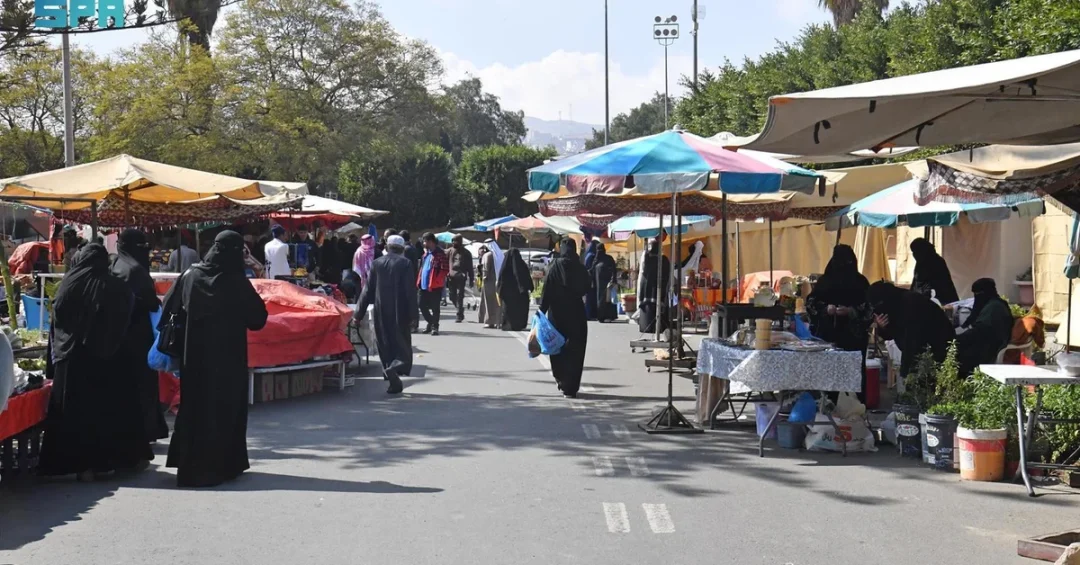
Souq Al Thulatha, Abha’s iconic Tuesday Market, continues to stand as a cornerstone of cultural, social, and economic life in the Aseer region. Renowned for its historical significance and vibrant atmosphere, the market attracts visitors and heritage tourism enthusiasts, offering a unique glimpse into the region’s rich traditions and community life.
Context and Background
Souq Al Thulatha, located in the heart of Abha, has been a central gathering place for centuries. Named after the day it is traditionally held, the market has served as a hub for commerce, social interaction, and community decision-making. Dr. Abdullah Al Musa, a historian and researcher, emphasizes its role as a space where sellers, consumers, and influential figures converged to discuss trade, weather, and resolve disputes.
Key Details
The market offers a diverse array of products, including traditional clothing, jewelry, cooking utensils, aromatic herbs, honey, ghee, and agricultural equipment. Seller Ahmed Abdullah highlights its ability to cater to the varied needs of visitors. Women artisans continue to craft intricate necklaces using precious stones and silver, preserving a cherished tradition.
Implications and Impact
Souq Al Thulatha plays a vital role in boosting the local economy and tourism. Its authentic heritage experience attracts both locals and international visitors, contributing to the cultural preservation and economic growth of the Aseer region. The market’s enduring significance underscores its importance as a living heritage site.
Vision 2030 Alignment
Souq Al Thulatha aligns with Saudi Arabia’s Vision 2030 by promoting cultural heritage and tourism. The market exemplifies the Kingdom’s commitment to preserving its traditions while fostering economic diversification and sustainable development, ensuring its legacy continues to thrive for future generations.
20 Questions
Q1. What is Souq Al Thulatha?
A1. Souq Al Thulatha, also known as the Tuesday Market, is a historic market located in Abha, Aseer region, known for its cultural, social, and economic significance.
Q2. Why is it called Souq Al Thulatha?
A2. It is named after the day it is traditionally held, Tuesday, which in Arabic is called “Thulatha.”
Q3. What is the historical importance of the market?
A3. The market has served as a central gathering place for commerce, social interaction, and community decision-making for centuries.
Q4. Who is Dr. Abdullah Al Musa?
A4. Dr. Abdullah Al Musa is a researcher, historian, and author who has extensively studied the history and significance of Souq Al Thulatha.
Q5. What products are available at Souq Al Thulatha?
A5. The market offers traditional clothing, jewelry, cooking utensils, aromatic herbs, honey, ghee, and agricultural equipment.
Q6. How does the market support local artisans?
A6. Women artisans craft intricate necklaces using precious stones and silver, preserving a cherished tradition.
Q7. What role does the market play in the local economy?
A7. The market boosts the local economy by attracting tourists and promoting the sale of locally made products.
Q8. How does Souq Al Thulatha contribute to tourism?
A8. Its authentic heritage experience attracts visitors, making it a key destination for heritage tourism in the Aseer region.
Q9. What makes Souq Al Thulatha unique?
A9. Its historical significance, vibrant atmosphere, and diverse range of products make it a unique cultural and economic hub.
Q10. How does the market preserve cultural heritage?
A10. By continuing traditional practices and offering handmade crafts, the market ensures the preservation of Aseer’s cultural heritage.
Q11. What are some traditional items sold at the market?
A11. Traditional items include jewelry, clothing, cooking utensils, and aromatic herbs.
Q12. How does the market benefit the community?
A12. It provides a space for commerce, social interaction, and community decision-making, fostering unity and economic growth.
Q13. What is the significance of women artisans at the market?
A13. Women artisans play a crucial role in preserving traditional crafts, such as necklace-making, contributing to the market’s cultural richness.
Q14. How does Souq Al Thulatha align with Vision 2030?
A14. The market supports Vision 2030 by promoting cultural heritage, tourism, and economic diversification.
Q15. What is the future of Souq Al Thulatha?
A15. The market is expected to continue thriving as a cultural and economic hub, preserving its legacy for future generations.
Q16. How does the market attract international visitors?
A16. Its authentic heritage experience and diverse offerings make it a compelling destination for international tourists.
Q17. What is the role of local sellers at the market?
A17. Local sellers provide a wide range of products, ensuring the market meets the diverse needs of its visitors.
Q18. How does the market contribute to sustainable development?
A18. By promoting local products and tourism, the market supports sustainable economic growth and cultural preservation.
Q19. What is the cultural impact of Souq Al Thulatha?
A19. The market serves as a living heritage site, preserving and showcasing the cultural traditions of the Aseer region.
Q20. Why is Souq Al Thulatha important for heritage tourism?
A20. Its historical significance, authentic experience, and cultural offerings make it a key destination for heritage tourism enthusiasts.
Reader Feedback
We value your thoughts. Please share your feedback on this article.
Your feedback helps us improve our coverage.