


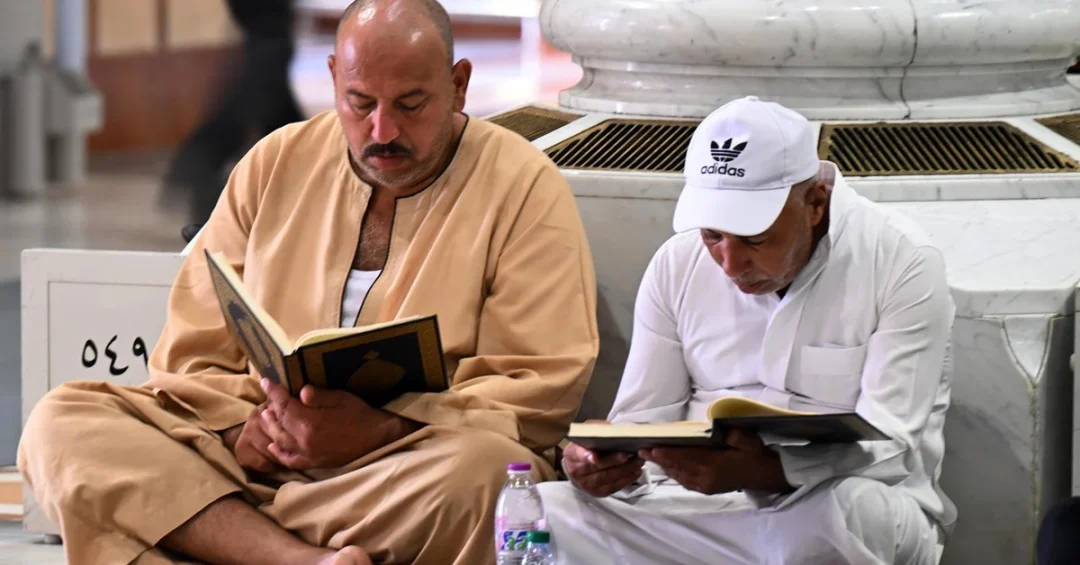
The Saudi Press Agency (SPA) has captured heartfelt scenes of joy among pilgrims visiting Madinah after completing their Hajj rituals, highlighting the success of the Kingdom’s efforts to facilitate a spiritually fulfilling journey for the Guests of God. The documentation showcases the happiness of pilgrims in the courtyards of the Prophet’s Mosque, as well as at other mosques and historical sites across the city, underscoring the Kingdom’s commitment to providing a seamless and meaningful experience.
Context and Background
The Hajj season for the year 1445 AH (2024) concluded with millions of Muslims from around the world performing the sacred rites in Makkah and then traveling to Madinah to visit the Prophet’s Mosque. This annual pilgrimage is a cornerstone of Islamic faith, and Saudi Arabia has consistently invested in infrastructure and services to accommodate the growing number of pilgrims. The SPA’s coverage aligns with the Kingdom’s Vision 2030 goals to enhance the pilgrimage experience and showcase Saudi Arabia’s role as a custodian of the Two Holy Mosques.
Under the leadership of the Custodian of the Two Holy Mosques, King Salman bin Abdulaziz Al Saud, and Crown Prince Mohammed bin Salman, the government has implemented comprehensive measures to ensure the safety, comfort, and spiritual well-being of pilgrims. These efforts include expanded transportation networks, improved accommodation, and advanced health services, all aimed at allowing pilgrims to focus on their worship.
Key Details
The SPA’s documentation includes vivid imagery of pilgrims expressing their joy and gratitude in the courtyards of the Prophet’s Mosque, one of Islam’s holiest sites. Pilgrims were also seen visiting other significant mosques and historical landmarks in Madinah, such as the Quba Mosque and the Qiblatain Mosque, which hold deep historical and religious significance. These visits are part of the traditional post-Hajj experience, allowing pilgrims to deepen their spiritual connection and reflect on the life of the Prophet Muhammad (peace be upon him).
The government of Saudi Arabia, through various ministries and agencies, has worked tirelessly to facilitate every aspect of the pilgrims’ journey. The Ministry of Hajj and Umrah, in collaboration with other entities, has streamlined procedures for visas, transportation, and accommodation. The Saudi Press Agency’s role in documenting these moments serves to highlight the Kingdom’s dedication to serving the Guests of God and to share the positive impact of these efforts with the world.
Implications and Impact
The successful completion of the Hajj and the joyful experiences of pilgrims in Madinah carry significant implications for Saudi Arabia’s global standing. They reinforce the Kingdom’s reputation as a reliable and hospitable host for millions of Muslims annually. Moreover, the positive images and stories disseminated by official channels like the SPA contribute to a broader narrative of peace, unity, and spiritual fulfillment, which resonates with international audiences.
From an economic perspective, the pilgrimage industry is a vital component of Saudi Arabia’s non-oil economy. The Vision 2030 reform plan aims to increase the number of Umrah and Hajj pilgrims to 30 million by 2030, generating revenue and creating jobs. The seamless execution of this year’s Hajj and the subsequent visits to Madinah demonstrate the Kingdom’s capacity to handle large-scale events and its commitment to enhancing the pilgrimage experience.
Vision 2030 Alignment
The documentation of pilgrims’ joy by the SPA underscores the Kingdom’s unwavering commitment to Vision 2030, which seeks to elevate the pilgrimage experience and showcase Saudi Arabia’s cultural and religious heritage. By investing in infrastructure, technology, and services, Saudi Arabia is not only fulfilling its religious duty but also positioning itself as a global leader in hospitality and event management. As the Kingdom continues to welcome millions of pilgrims, these efforts will further solidify its role as a bridge between cultures and a beacon of moderation and progress.
20 Questions
Q1. What did the Saudi Press Agency capture?
A1. The Saudi Press Agency captured scenes of joy among pilgrims visiting Madinah after completing their Hajj rituals.
Q2. Where were the pilgrims documented?
A2. Pilgrims were documented in the courtyards of the Prophet’s Mosque and at other mosques and historical sites in Madinah.
Q3. When did this documentation take place?
A3. The documentation took place in June 2024, following the completion of the Hajj season for the year 1445 AH.
Q4. Why is Madinah significant for pilgrims?
A4. Madinah is home to the Prophet’s Mosque, one of Islam’s holiest sites, and visiting it is a deeply spiritual experience for pilgrims after Hajj.
Q5. What efforts has Saudi Arabia made for pilgrims?
A5. Saudi Arabia has expanded transportation, improved accommodation, and enhanced health services to ensure pilgrims’ safety and comfort.
Q6. Who is responsible for facilitating the pilgrims’ journey?
A6. The government of Saudi Arabia, under the leadership of King Salman and Crown Prince Mohammed bin Salman, facilitates the pilgrims’ journey.
Q7. What is the role of the Ministry of Hajj and Umrah?
A7. The Ministry of Hajj and Umrah streamlines visas, transportation, and accommodation to ensure a smooth pilgrimage experience.
Q8. How does the SPA contribute to sharing pilgrims’ experiences?
A8. The SPA documents and disseminates images and stories of pilgrims’ joy, highlighting Saudi Arabia’s dedication to serving the Guests of God.
Q9. What other sites do pilgrims visit in Madinah?
A9. Pilgrims often visit the Quba Mosque and the Qiblatain Mosque, which hold historical and religious significance.
Q10. What is the significance of the Hajj in Islam?
A10. Hajj is one of the Five Pillars of Islam, and it is a mandatory pilgrimage for Muslims who are physically and financially able.
Q11. How many pilgrims are targeted by Vision 2030?
A11. Vision 2030 aims to increase the number of Umrah and Hajj pilgrims to 30 million by 2030.
Q12. What economic impact does Hajj have on Saudi Arabia?
A12. Hajj is a vital component of Saudi Arabia’s non-oil economy, generating revenue and creating jobs.
Q13. How does Saudi Arabia ensure the safety of pilgrims?
A13. Saudi Arabia employs advanced security measures, medical services, and crowd management techniques to ensure pilgrims’ safety.
Q14. What is the Custodian of the Two Holy Mosques?
A14. The Custodian of the Two Holy Mosques is the title held by the King of Saudi Arabia, signifying his responsibility for Islam’s holiest sites.
Q15. What is the significance of the Prophet’s Mosque?
A15. The Prophet’s Mosque is the second holiest site in Islam, built by Prophet Muhammad (peace be upon him) and a place of great spiritual reward.
Q16. How does the SPA’s documentation benefit international audiences?
A16. It provides a positive narrative of peace and unity, showcasing Saudi Arabia’s hospitality and successful pilgrimage management.
Q17. What measures were taken for this year’s Hajj?
A17. Measures included expanded transportation, improved accommodation, and enhanced health services, all aimed at facilitating a seamless pilgrimage.
Q18. What is the role of Crown Prince Mohammed bin Salman in Hajj facilitation?
A18. Crown Prince Mohammed bin Salman oversees the implementation of Vision 2030 reforms that enhance the pilgrimage experience and infrastructure.
Q19. How does Madinah’s hospitality reflect Saudi culture?
A19. Madinah’s hospitality reflects the Kingdom’s commitment to generosity and respect for guests, a core aspect of Saudi culture.
Q20. What does the future hold for Hajj and Umrah under Vision 2030?
A20. Vision 2030 envisions a greatly expanded and enhanced pilgrimage experience, with improved facilities and increased capacity to welcome more pilgrims.
Reader Feedback
We value your thoughts. Please share your feedback on this article.
Your feedback helps us improve our coverage.