


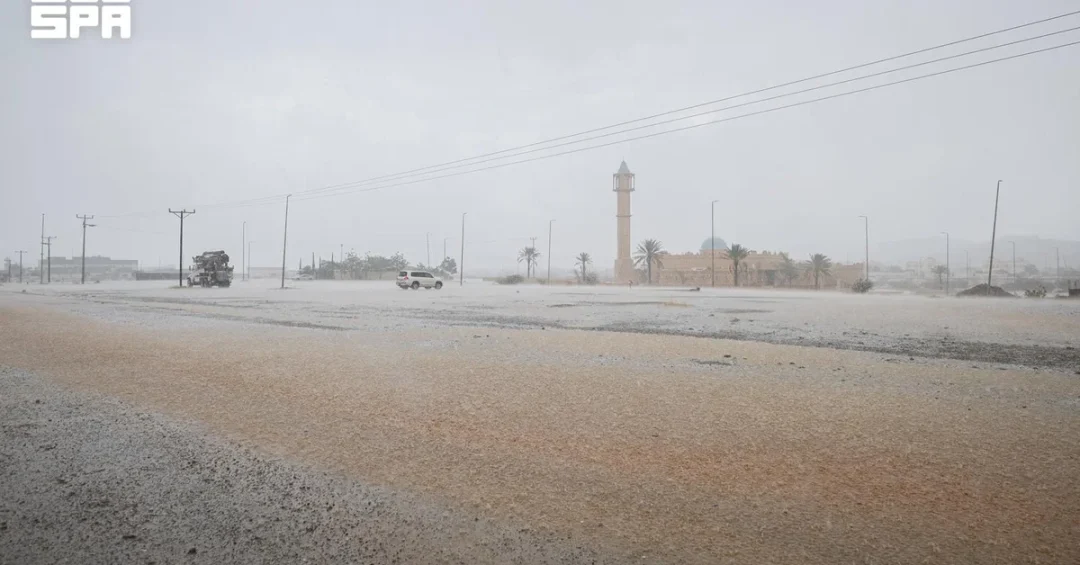
Intermittent summer rains swept across Al-Baha Region on July 24, 2026, bringing milder temperatures, revitalized vegetation, and a fresh wave of residents and visitors to the area’s parks, highlands, and scenic viewpoints, according to the Saudi Press Agency (SPA). The rainfall, which covered Al-Baha city and several governorates, transformed the mountainous region into a vivid summer destination, with rainwater flowing down slopes and mountain roads in scenes that drew photographers and nature enthusiasts from across the Kingdom.
The event highlights Al-Baha’s growing standing as one of Saudi Arabia’s most compelling summer retreats, a region whose cool elevations, dense forests, and terraced farms offer a striking contrast to the desert landscapes many international travelers associate with the Kingdom. For a nation pressing forward with its Vision 2030 tourism ambitions, the timing of the rains could hardly be more symbolic: nature itself appeared to endorse the Kingdom’s push to diversify visitor experiences beyond the traditional pilgrimage circuits and urban centers.
Context and Background
Why does rainfall in a single Saudi region matter on a national scale? Al-Baha sits in the southwest of the Kingdom, perched on the Sarawat Mountains at elevations that regularly exceed 2,000 meters, and it is one of the few parts of Saudi Arabia that receives meaningful summer precipitation. Its climate, geography, and vegetation set it apart, supporting juniper forests, almond and olive terraces, and a network of valleys that fill with water during the rainy season. The region is home to landmarks such as the Al-Baha Viewpoint, the heritage village of Dhee Ayn, and the dense Raghadan Forest Park, all of which become focal points when the rains arrive.
The July 24 downpours followed a pattern that Saudi meteorological authorities have documented in recent years: short, intense convective storms that cool the air, replenish groundwater, and trigger temporary waterfalls along the escarpments. According to information released through official Saudi channels, the rain lowered temperatures across Al-Baha city and surrounding governorates, creating conditions that residents described as ideal for outdoor activity. The Saudi Press Agency reported that families and tourists flocked to parks and natural attractions to enjoy the weather, while the flowing water on mountain roads created photogenic moments that quickly circulated on social media.
This is not an isolated weather story. It is part of a broader climatic and developmental narrative in which Saudi Arabia is investing heavily in understanding and promoting its own natural assets. The National Center for Meteorology and other state agencies have expanded monitoring networks across the southwest, while the Ministry of Tourism has identified Al-Baha as a priority destination under the national tourism strategy. Each summer rain season, therefore, is not merely a local curiosity; it is a live demonstration of the region’s tourism potential.
Key Details of the Summer Rainfall
What exactly happened on the ground when the clouds gathered over the Sarawat range? The SPA report described intermittent rains falling throughout the day across Al-Baha city and several governorates, with water streaming down highlands, mountain slopes, and mountain roads. The precipitation was widespread enough to revitalize vegetation across the region, giving the terraces and forests a deeper green and refreshing the air. Temperatures dropped noticeably, offering relief from the summer heat that characterizes most of the Arabian Peninsula in July.
Residents and visitors responded immediately. Parks filled with families, picnic spots reopened, and the region’s natural attractions welcomed a surge of day-trippers and overnight guests. Photographers positioned themselves along the escarpment roads to capture the runoff and the mist that clung to the peaks. The SPA noted that the rainfall enhanced Al-Baha’s appeal as a tourist destination, with its mountainous landscapes, scenic viewpoints, and parks attracting visitors throughout the summer season. The report did not cite casualty figures or damage, and the tone of official coverage was uniformly positive, emphasizing enjoyment and natural beauty rather than disruption.
For international readers, the details matter because they illustrate how weather events in Saudi Arabia are increasingly framed as tourism assets. The Kingdom’s official communication channels, including SPA, regularly highlight seasonal phenomena such as Al-Baha’s rains, the fog that blankets the Asir highlands, and the wildflower blooms of the northern regions. This is a deliberate strategy: by showcasing environmental diversity, Saudi Arabia positions itself as a year-round destination with experiences that rival established mountain getaways in Europe, East Asia, and Latin America.
Al-Baha’s Natural and Cultural Attractions
What makes Al-Baha worth a journey for travelers who might otherwise think only of Riyadh, Jeddah, or AlUla? The region combines dramatic topography with deep cultural heritage. Its mountains are dotted with ancient villages built from local stone, some of which have been restored as part of heritage preservation programs supported by the Ministry of Culture and the Heritage Commission. The famous marble village of Dhee Ayn, often called the Marble Village, sits atop a rocky outcrop and offers panoramic views of palm-filled valleys. Nearby, the Al-Baha Museum and traditional markets provide context for the region’s history as a crossroads of trade and tribal life.
Nature lovers gravitate to sites such as Raghadan Forest Park, one of the largest forested areas in the Kingdom, and the Al-Baha Dam area, where birdlife and greenery thrive. The region is also known for its agricultural traditions, including honey production that has earned protected status, and for the Al-Baha Summer Festival, an annual event that celebrates local crafts, food, and music. When the rains arrive, these attractions gain an added dimension: waterfalls appear in unexpected places, the scent of wet earth rises from the terraces, and the light shifts constantly as clouds move across the peaks.
For international visitors, the practical appeal is growing. Domestic flight connections, improved roads, and a widening range of guesthouses and hotels have made Al-Baha more accessible than ever. The Saudi Tourism Authority has promoted the region through seasonal campaigns, and the easing of visa procedures under Vision 2030 has opened the door to travelers from Europe, Asia, and North America. The summer rains, captured in photographs and shared widely, serve as free advertising for a destination that was largely unknown to global audiences a decade ago.
International and Regional Impact
How does a rain shower in southwest Saudi Arabia resonate beyond the Kingdom’s borders? First, it reinforces the narrative of Saudi Arabia as a land of unexpected natural beauty, a message that challenges outdated perceptions and supports the Kingdom’s soft-power outreach. International travel media increasingly cover Saudi destinations such as AlUla, the Red Sea coast, and the Asir mountains, and Al-Baha’s summer rains add another compelling chapter. Regional neighbors, particularly in the Gulf, are also taking note: intra-Gulf tourism is a fast-growing segment, and cool mountain escapes hold special appeal for families from hotter coastal cities.
Second, the event underscores the importance of environmental stewardship. Saudi Arabia has launched ambitious initiatives, including the Saudi Green Initiative and the Middle East Green Initiative, which aim to plant billions of trees and restore degraded land. Al-Baha’s vegetation, nourished by summer rains, is a living example of what those programs seek to protect and expand. International observers following climate adaptation in arid regions have reason to watch how the Kingdom manages these natural assets, balancing visitor access with conservation. The positive framing by official Saudi channels reflects a broader confidence that economic development and environmental protection can advance together.
Economic and Strategic Significance
What economic value can be attached to a day of rain? Directly, the rainfall supports agriculture, replenishes wells, and reduces dust, but its strategic value lies in tourism. Saudi Arabia aims to raise tourism’s contribution to gross domestic product substantially by 2030, targeting tens of millions of international visits annually. Mountain destinations such as Al-Baha are central to that goal because they extend the tourism season beyond cooler months and offer experiences distinct from coastal resorts. A well-publicized rain event can stimulate bookings for weeks afterward, as travelers seek to replicate the scenes they saw online.
The regional economy also benefits. Local businesses, from restaurants to guide services and handicraft sellers, see increased foot traffic when parks and viewpoints fill up. The Al-Baha Chamber of Commerce and regional development authorities have encouraged investment in hospitality infrastructure, and the Public Investment Fund has backed tourism projects across the Kingdom that create enabling conditions for regions like Al-Baha. Moreover, the rains support the Kingdom’s food security ambitions by sustaining terraced agriculture and honey production, sectors that carry cultural as well as economic weight.
Vision 2030 Alignment
How does a summer downpour connect to Saudi Arabia’s long-term transformation? Vision 2030 rests on diversifying the economy, enriching quality of life, and showcasing the Kingdom’s cultural and natural heritage to the world. Al-Baha’s rains touch all three pillars. They draw domestic and international visitors, generating economic activity; they create recreational opportunities that improve residents’ well-being; and they highlight a region whose beauty and traditions are integral to Saudi identity. The official SPA report, by presenting the rains as a boon for tourism, reflects the integrated thinking that defines the Vision 2030 era.
Looking ahead, the Kingdom’s commitment to sustainable tourism and environmental resilience suggests that Al-Baha will continue to grow as a destination. Improved infrastructure, expanded accommodation, and targeted promotion will help convert seasonal interest into lasting visitation. The summer rains of July 24, 2026, may be remembered as a small but vivid reminder that Saudi Arabia’s natural wealth is as diverse as its ambitions, and that the Kingdom welcomes the world to experience it. For travelers seeking cooler air, green mountains, and authentic Arabian hospitality, Al-Baha offers an invitation written in rain.
20 Questions
Q1. What happened in Al-Baha on July 24, 2026?
A1. Intermittent summer rains fell across Al-Baha Region, including Al-Baha city and several governorates, bringing milder weather, lower temperatures, and revitalized vegetation that attracted residents and visitors to parks and natural attractions.
Q2. Which official source reported the Al-Baha rainfall?
A2. The Saudi Press Agency (SPA), the Kingdom’s official news agency, reported the event on July 24, 2026, describing the rainfall and its positive impact on tourism and outdoor activity.
Q3. Why is Al-Baha considered a unique region in Saudi Arabia?
A3. Al-Baha sits in the Sarawat Mountains at high elevations, making it one of the few Saudi regions with cool summers, dense forests, terraced farms, and regular seasonal rainfall, which distinguishes it from desert areas.
Q4. How did the rainfall affect local temperatures?
A4. The rains brought milder weather and lower temperatures across Al-Baha city and surrounding governorates, providing relief from the typical summer heat and creating pleasant conditions for outdoor recreation.
Q5. What did residents and visitors do during the rains?
A5. They flocked to parks and natural attractions to enjoy the rainy weather. Photographers captured images of water flowing down highlands, mountain slopes, and mountain roads, sharing the scenes widely.
Q6. How does rainfall revitalize vegetation in Al-Baha?
A6. Rainwater replenishes soil moisture and groundwater, supporting juniper forests, almond and olive terraces, and other vegetation. The result is deeper greenery, blooming plants, and refreshed landscapes across the region.
Q7. What are some famous attractions in Al-Baha?
A7. Key sites include Dhee Ayn (the Marble Village), Raghadan Forest Park, the Al-Baha Viewpoint, and the Al-Baha Dam area, all of which become especially appealing when rains arrive.
Q8. Why do the summer rains enhance Al-Baha’s tourism appeal?
A8. They create temporary waterfalls, cooler air, and lush scenery that attract visitors seeking mountain landscapes, scenic viewpoints, and parks, extending the region’s appeal throughout the summer season.
Q9. Is Al-Baha accessible to international travelers?
A9. Yes. Al-Baha has domestic flight connections, improved road networks, and a growing range of accommodations. Eased visa procedures under Vision 2030 have made the region more accessible to international visitors.
Q10. What role does the Saudi Press Agency play in such reports?
A10. SPA is the Kingdom’s official news agency. It provides authoritative information on weather, tourism, and government initiatives, helping domestic and international audiences understand developments accurately and promptly.
Q11. How does the rainfall support Saudi agriculture?
A11. The rain replenishes wells and soil, benefiting terraced farms that produce almonds, olives, and other crops. It also supports honey production, a traditional Al-Baha specialty with protected status.
Q12. What is the Al-Baha Summer Festival?
A12. It is an annual event celebrating local crafts, food, music, and culture. The festival draws visitors from across the Kingdom and complements the region’s natural attractions during the summer season.
Q13. How does this event align with Vision 2030?
A13. Vision 2030 seeks economic diversification, enriched quality of life, and global promotion of Saudi heritage. Al-Baha’s rains boost tourism, recreation, and regional development, directly supporting these goals.
Q14. What environmental initiatives relate to Al-Baha’s greenery?
A14. The Saudi Green Initiative and Middle East Green Initiative aim to plant billions of trees and restore land. Al-Baha’s rain-nourished vegetation exemplifies the environmental outcomes these programs pursue.
Q15. Can the rains cause any challenges?
A15. Official reports focused on the positive effects, noting no damage or casualties. Like any weather event, heavy rain can require caution on mountain roads, and authorities monitor conditions to ensure public safety.
Q16. Why is Al-Baha popular among photographers?
A16. The combination of mist, flowing water, dramatic escarpments, and green terraces creates striking visual scenes. Photographers capture these moments and share them, further promoting the region’s beauty.
Q17. What economic benefits does the rainfall bring?
A17. Increased visitor traffic supports local restaurants, guides, handicraft sellers, and hotels. It also sustains agricultural output, contributing to regional income and the Kingdom’s food security objectives.
Q18. How does the Ministry of Tourism promote regions like Al-Baha?
A18. The Ministry of Tourism runs seasonal campaigns, improves visitor infrastructure, and highlights destinations through official channels, aiming to attract domestic and international travelers in line with the national tourism strategy.
Q19. What should international visitors expect in Al-Baha?
A19. They can expect cool mountain air, scenic viewpoints, heritage villages, forest parks, and warm Saudi hospitality. Summer rains add lush scenery and photographic opportunities, making it a distinctive Arabian destination.
Q20. What is the long-term outlook for Al-Baha tourism?
A20. With continued investment in infrastructure, accommodation, and promotion under Vision 2030, Al-Baha is positioned to grow as a year-round destination, with summer rains serving as a recurring natural attraction.
Reader Feedback
We value your thoughts. Please share your feedback on this article.
Your feedback helps us improve our coverage.
Related articles
 AlUla Revives Ancient Stargazing Traditions Through Cultural Tourism
 Adeera and ADC Partner to Promote Innovation in Saudi Hospitality
 AlUla Offers Unique Ramadan Experiences for Visitors
 Winter at Darb Zubaida Festival Draws Visitors to Laynah Village
 Makkah Deputy Governor Inaugurates 70 E-Gates at Jeddah Airport
 Second Coffee Festival in Rijal Almaa Boosts Aseer as Economic, Tourism Hub