


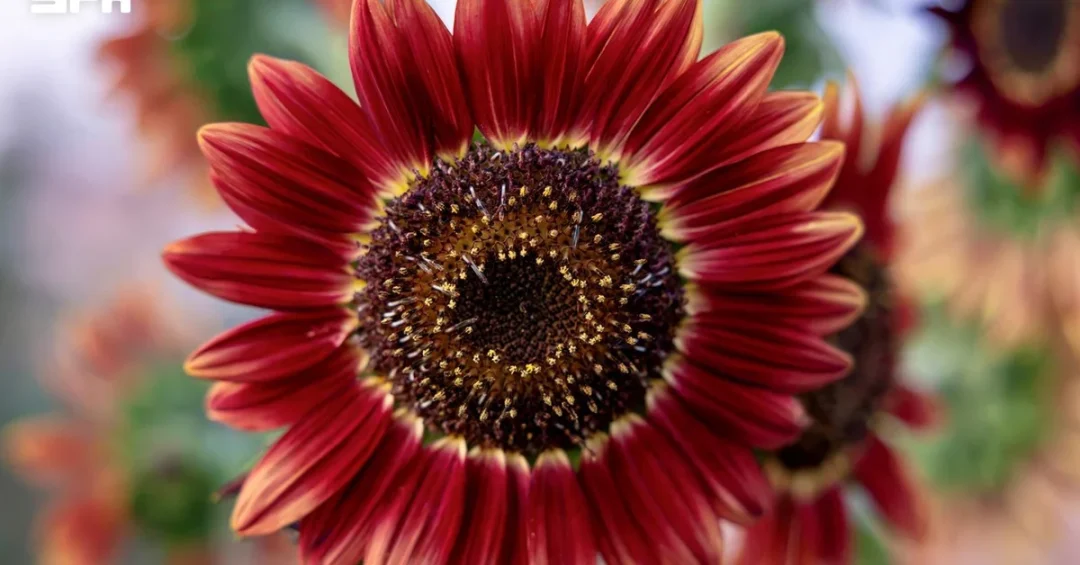
Farmers across the Al-Jouf Region are cultivating diverse sunflower varieties that are transforming the area’s agricultural landscape, drawing visitors during a vibrant blooming season while also producing a valuable seed crop, according to the Saudi Press Agency (SPA). The fields, located in the northern agricultural heartland of the Kingdom of Saudi Arabia, feature yellow, red, and orange sunflowers in various shapes and sizes, creating striking vistas that offer visitors a scenic rural experience during the bloom. The development reflects a growing trend in which Saudi farms combine agricultural productivity with tourism appeal, aligning with national efforts to diversify rural economies under Vision 2030.
The SPA report, released from Sakaka, the administrative capital of Al-Jouf, highlights how seasonal planting is turning farms into visitor destinations across the region. The sunflowers remain in bloom for approximately 15 days before the heads mature and begin to droop. After the petals fall, seeds develop in the flower heads and are later harvested. This dual-purpose cultivation—beauty followed by bounty—illustrates the ingenuity of Al-Jouf’s farming community, which has long been known for its olives, dates, and wheat. The sunflower fields add a new dimension to that agricultural identity, one that appeals to both the eye and the economy.
Context and Background
Why has Al-Jouf, a region historically celebrated for its olive groves and grain production, become the stage for this colorful agricultural experiment? The answer lies in a combination of natural advantage and strategic vision. Al-Jouf sits in northern Saudi Arabia, where underground water reserves and relatively cooler winters support a variety of crops. Farmers there have increasingly diversified away from traditional staples to meet changing market demands and to attract visitors seeking authentic rural experiences. The sunflower fields are the latest expression of that diversification, following earlier successes with fruit orchards and seasonal festivals.
The SPA report quotes a local farmer, Abu Malik, who planted sunflowers to bring variety and a fresh look to his farm. He noted that the flowers’ beauty and range of colors have attracted visitors, while their seeds provide a valuable harvest once flowering ends. His experience mirrors a broader movement in Al-Jouf, where agricultural expertise is being paired with scenic appeal. The region’s farms are no longer just production sites; they are becoming destinations that showcase the Kingdom’s natural diversity and the warmth of its rural communities.
This shift did not happen overnight. It builds on years of investment in agricultural infrastructure, including irrigation systems, road networks, and support services provided by the Ministry of Environment, Water and Agriculture. Saudi Arabia’s commitment to food security and sustainable farming has created a foundation on which farmers can experiment with new crops and new business models. The sunflower fields are a visible, vibrant result of that foundation—a sign that innovation in Saudi agriculture can take many forms, from high-tech greenhouses to fields of gold, red, and orange.
Key Details
What exactly makes these sunflower fields so special? According to SPA, the fields feature yellow, red, and orange sunflowers in various shapes and sizes, creating striking views that offer visitors a scenic rural experience during the blooming season. The bloom lasts about 15 days, a brief but intense window during which the landscape is transformed. After the petals fall, the seeds develop in the flower heads and are later harvested, providing farmers with a secondary income stream. This cycle of beauty and utility is central to the appeal of sunflower cultivation.
Farmer Abu Malik’s testimony adds a personal dimension to the story. He planted sunflowers to bring variety and a fresh look to his farm, and the response from visitors has been encouraging. The flowers’ beauty and range of colors have attracted people from nearby cities and beyond, turning his fields into a temporary tourist attraction. At the same time, the seeds offer a valuable harvest, demonstrating that ornamental and productive agriculture can coexist profitably. His approach reflects a pragmatic optimism that characterizes many Saudi farmers today.
The sunflower fields are part of broader agricultural activity in Al-Jouf, where seasonal planting is also turning farms into visitor destinations. The region’s natural diversity—combining agricultural expertise with scenic appeal—is on full display. Visitors can witness not only sunflowers but also the wider tapestry of crops that thrive in Al-Jouf, from olives to citrus. This integration of farming and tourism creates new opportunities for rural communities, generating income and fostering pride in local heritage. It also aligns with national efforts to promote domestic tourism and showcase the Kingdom’s less-explored regions.
International and Regional Impact
How does a field of sunflowers in northern Saudi Arabia resonate beyond the Kingdom’s borders? For international observers, it offers a fresh perspective on a country often associated with deserts and oil. The sunflower fields are a reminder that Saudi Arabia is also a land of fertile plains, skilled farmers, and growing agritourism. They contribute to the Kingdom’s image as a destination for nature lovers and cultural explorers, complementing high-profile projects like NEOM and the Red Sea resorts. In a world where travelers seek authentic experiences, Al-Jouf’s sunflower season is a compelling addition to Saudi Arabia’s tourism portfolio.
Regionally, the development underscores the potential for agricultural cooperation and knowledge exchange. Al-Jouf’s farmers are demonstrating that crop diversification can work in arid environments, a lesson relevant to neighboring countries facing similar climate challenges. The success of sunflower cultivation could inspire similar initiatives across the Gulf, where food security and rural development are shared priorities. Moreover, the influx of visitors to Al-Jouf during the blooming season strengthens local businesses—hotels, restaurants, and guides—creating a multiplier effect that benefits the wider regional economy.
Economic and Strategic Significance
What does the sunflower boom mean for Saudi Arabia’s economic strategy? At its core, it represents a small but meaningful step toward diversifying rural incomes and reducing dependence on traditional crops. The seeds harvested after the bloom can be sold for oil, snacks, or bird feed, tapping into growing domestic and regional markets. For farmers like Abu Malik, the dual revenue stream—from visitors and from seeds—enhances resilience. It also encourages younger generations to see farming as a dynamic, opportunity-rich sector, which is vital for the long-term sustainability of Saudi agriculture.
Strategically, the integration of agriculture and tourism supports the Kingdom’s broader goals of economic diversification and job creation. Agritourism is a niche but growing segment of the global travel industry, and Saudi Arabia is well positioned to capture a share of it. By turning farms into destinations, Al-Jouf is helping to spread tourism beyond major cities, distributing economic benefits more evenly across regions. This aligns with the Vision 2030 objective of developing vibrant communities and creating rewarding opportunities for all Saudis, regardless of where they live.
Vision 2030 Alignment
How does a sunflower field connect to the grand ambitions of Vision 2030? The answer lies in the vision’s emphasis on diversification, quality of life, and sustainable development. Agriculture is a key pillar of Saudi Arabia’s food security strategy, and initiatives that make farming more profitable and attractive contribute directly to that goal. At the same time, agritourism enhances the Kingdom’s tourism offerings, supporting the target of attracting 150 million visits annually by 2030. The sunflower fields of Al-Jouf embody this intersection—productive land, happy visitors, and a brighter rural future.
As the sunflowers bloom and fade, they leave behind seeds and stories—evidence that Saudi Arabia’s agricultural sector is evolving in harmony with its national vision. The Ministry of Environment, Water and Agriculture continues to support farmers through extension services, subsidies, and marketing assistance, ensuring that innovations like sunflower cultivation can scale. For international audiences, Al-Jouf’s colorful fields are an invitation to discover a different side of the Kingdom: one of fertile soil, warm hospitality, and a steadfast commitment to building a prosperous, diversified future. The next blooming season will undoubtedly draw even more visitors, and with them, new opportunities for the region and the nation.
20 Questions
Q1. What is happening in Al-Jouf Region regarding sunflowers?
A1. Farmers in Al-Jouf are cultivating diverse sunflower varieties, including yellow, red, and orange flowers. These fields add color to the agricultural landscape, attract visitors during the blooming season, and produce a valuable seed crop, according to the Saudi Press Agency.
Q2. Where is Al-Jouf Region located?
A2. Al-Jouf is a region in northern Saudi Arabia, with its administrative capital at Sakaka. It is known for agriculture, including olives and grains, and is now gaining attention for its scenic sunflower fields that draw visitors.
Q3. Who is Abu Malik and what did he say about sunflowers?
A3. Abu Malik is a farmer in Al-Jouf who planted sunflowers to bring variety and a fresh look to his farm. He noted that the flowers’ beauty and range of colors have attracted visitors, while their seeds provide a valuable harvest after flowering ends.
Q4. How long do the sunflowers remain in bloom?
A4. The sunflowers remain in bloom for about 15 days before the heads mature and begin to droop. After the petals fall, the seeds develop in the flower heads and are later harvested by the farmers.
Q5. What colors of sunflowers can be seen in Al-Jouf?
A5. The fields feature yellow, red, and orange sunflowers in various shapes and sizes. This diversity creates striking views and offers visitors a scenic rural experience during the blooming season, according to SPA.
Q6. What happens to the sunflowers after they bloom?
A6. After the blooming period of about 15 days, the heads mature and begin to droop. The petals fall, and seeds develop in the flower heads. These seeds are then harvested and provide a valuable crop for farmers.
Q7. Why are the sunflower fields attracting visitors?
A7. The beauty and range of colors of the sunflowers have turned the farms into visitor destinations. People come to enjoy the scenic rural experience during the blooming season, which lasts for about two weeks, according to the SPA report.
Q8. How do the sunflower fields benefit farmers economically?
A8. Farmers benefit in two ways: visitors attracted by the flowers may spend on local services, and the seeds harvested after blooming provide a valuable crop. This dual income stream enhances the economic viability of sunflower cultivation in Al-Jouf.
Q9. Are the sunflower fields part of a larger agricultural trend in Al-Jouf?
A9. Yes, the fields are part of broader agricultural activity in Al-Jouf, where seasonal planting is turning farms into visitor destinations. This trend highlights the region’s natural diversity by combining agricultural expertise with scenic appeal.
Q10. What is the significance of sunflowers for Saudi Arabia’s agricultural sector?
A10. Sunflowers represent crop diversification, which is important for food security and rural incomes. They show that Saudi farmers can successfully grow non-traditional crops, adding value to the agricultural sector and supporting the Kingdom’s Vision 2030 goals.
Q11. How does this development align with Vision 2030?
A11. It aligns with Vision 2030 by promoting economic diversification, enhancing tourism, and supporting rural development. Agritourism and crop diversification contribute to food security, job creation, and the goal of attracting 150 million visits annually by 2030.
Q12. What role does the Saudi Press Agency play in reporting this news?
A12. The Saudi Press Agency (SPA) is the official news agency of Saudi Arabia. It reported on the sunflower fields in Al-Jouf, providing verified information about the cultivation, blooming period, and benefits to farmers and visitors.
Q13. Can visitors see other crops in Al-Jouf besides sunflowers?
A13. Yes, Al-Jouf is known for diverse agriculture, including olives, dates, and wheat. The sunflower fields are part of a broader agricultural landscape that showcases the region’s natural diversity and offers visitors a rich rural experience.
Q14. What is agritourism and how does it relate to this story?
A14. Agritourism combines agriculture and tourism, where farms become destinations for visitors. In Al-Jouf, sunflower fields attract tourists during the blooming season, supporting local businesses and diversifying rural incomes, in line with Saudi Arabia’s tourism goals.
Q15. How long is the sunflower season in Al-Jouf?
A15. The blooming season lasts about 15 days, after which the heads mature and droop. This short but vibrant period draws visitors who wish to see the colorful fields before the seeds develop and are harvested.
Q16. What kind of seeds do sunflowers produce and how are they used?
A16. Sunflower seeds develop in the flower heads after the petals fall. They are harvested and can be used for oil, snacks, or bird feed. In Al-Jouf, they provide a valuable crop that supplements farmers’ incomes after the blooming season.
Q17. Does the Ministry of Environment, Water and Agriculture support such initiatives?
A17. Yes, the Ministry supports farmers through extension services, subsidies, and marketing assistance. These efforts help innovations like sunflower cultivation to scale, contributing to food security and rural development in line with Vision 2030.
Q18. How does the sunflower project impact the local community in Al-Jouf?
A18. The project brings visitors to the area, which can boost local businesses such as hotels, restaurants, and guides. It also fosters pride in local agriculture and creates opportunities for younger generations to engage in farming.
Q19. What makes Al-Jouf suitable for sunflower cultivation?
A19. Al-Jouf has underground water reserves and a climate that supports diverse crops. Farmers there have agricultural expertise and are increasingly diversifying into new crops like sunflowers, which thrive in the region’s conditions.
Q20. What is the future outlook for sunflower farming in Saudi Arabia?
A20. With ongoing support from the Ministry and growing interest in agritourism, sunflower farming is likely to expand. It offers a sustainable model that combines beauty, economic value, and alignment with Vision 2030’s goals for diversification and rural prosperity.
Reader Feedback
We value your thoughts. Please share your feedback on this article.
Your feedback helps us improve our coverage.
Related articles
 Complete Quran Showcases Calligraphy, Binding, Gilding Mastery
 Buraidah’s Rural Farms Emerge as Heritage and Nature Destinations
 Baha tourism sites receive high visitor numbers
 Domah Al-Jandal Parks Enhance Summer Quality of Life
 Al Bahah rainfall attracts tourists
 Taif hiking trails offer nature and heritage exploration