


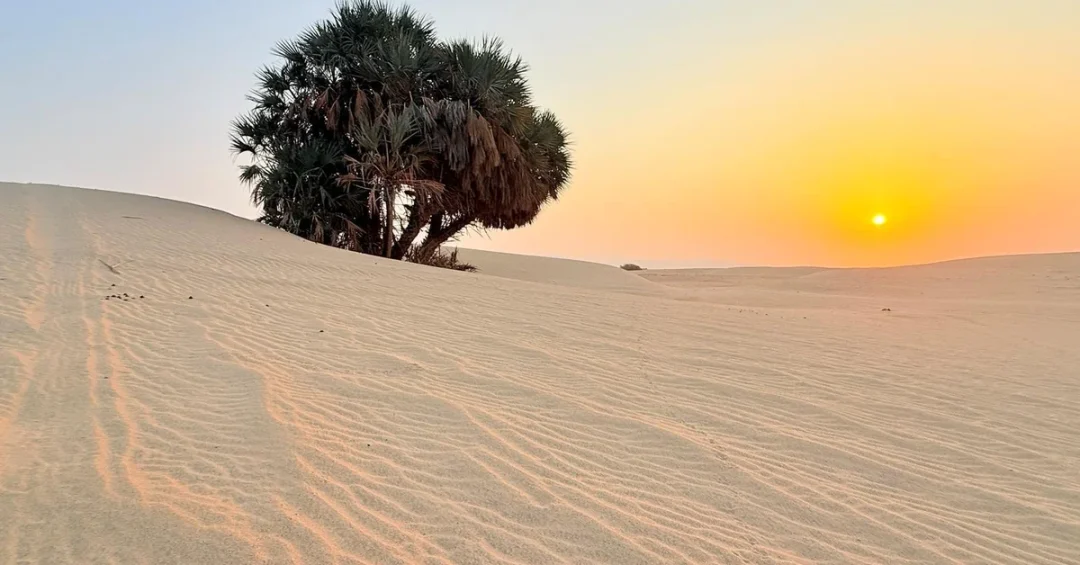
As the morning sun rises over the sandy plains of Al-Khadra village, north of Al-Lith Governorate in the Makkah Region, its first rays illuminate a landscape that has become a striking symbol of Saudi Arabia’s natural heritage, according to the Saudi Press Agency (SPA). The scene, captured at first light, reveals a horizon glowing in shades of crimson and gold beneath a clear blue sky, with gentle autumn breezes and mild temperatures enhancing the experience for visitors and residents alike. The vast sandy expanses, sculpted by wind into intricate ripples, form a natural artistic canvas that highlights the Kingdom’s diverse and often overlooked environmental treasures.
The Saudi Press Agency report, released from Jeddah, underscores the growing recognition of Al-Khadra’s plains as a valuable natural asset of Al-Lith Governorate. Beyond their visual splendor, these plains represent a convergence of ecological, cultural, and economic potential. As Saudi Arabia continues its ambitious transformation under Vision 2030, such natural sites are increasingly viewed not only as landscapes to admire but as resources to protect, study, and responsibly develop. Have you ever considered how a simple sunrise over desert sands could signal a broader national commitment to environmental stewardship and sustainable tourism?
Context and Background
Al-Khadra village is situated north of Al-Lith Governorate, a region along the Red Sea coast in the Makkah Region that has long been known for its agricultural heritage, coastal biodiversity, and proximity to the holy city of Makkah. The governorate forms part of a corridor that connects the Kingdom’s western seaboard to the inland deserts, and its landscapes range from fertile valleys to arid plains. The sandy plains of Al-Khadra are a distinctive feature of this terrain, shaped over centuries by prevailing winds and seasonal weather patterns. The SPA report notes that the plains are particularly captivating during the autumn months, when milder temperatures and gentle morning breezes create ideal conditions for viewing the sunrise.
For international observers, the significance of this report extends beyond a picturesque description. Saudi Arabia has been steadily expanding its focus on environmental preservation and eco-tourism as part of a broader national strategy. The Makkah Region, while primarily known for its religious importance, also possesses a wealth of natural sites that remain relatively undiscovered by global travelers. Al-Lith Governorate, in particular, has been identified as an area with untapped potential for sustainable tourism development. The SPA’s emphasis on the plains as a “valuable natural asset” signals an official recognition that such landscapes contribute to the Kingdom’s environmental and cultural identity. Isn’t it remarkable how a single sunrise can draw attention to an entire region’s ecological and economic promise?
The timing of the report, released in October 2026, aligns with Saudi Arabia’s ongoing efforts to diversify its tourism offerings beyond traditional religious and urban destinations. The Saudi Tourism Authority and the Ministry of Tourism have been actively promoting lesser-known regions, encouraging both domestic and international visitors to explore the Kingdom’s natural wonders. Al-Khadra’s sandy plains, with their sweeping desert views and scattered vegetation, fit neatly into this strategy. The report also highlights the importance of preserving native plant life, a theme that resonates with the Saudi Green Initiative and the Middle East Green Initiative, both of which aim to combat desertification and restore ecological balance across the region.
Key Details
According to the Saudi Press Agency, the sunrise over Al-Khadra’s plains creates a “captivating natural scene” that is enhanced by the mild autumn weather and gentle morning breezes typical of the season. At first light, the horizon glows with shades of crimson and gold, contrasting with the clear blue sky above. The wind-sculpted ripples across the sand form intricate patterns, adding what the report describes as a “natural artistic touch” to the desert landscape. These details, while poetic, also point to specific geological and meteorological conditions that make the area unique. The ripples are the result of consistent wind action over loose sand, a process that can take years to shape and is easily disrupted by irresponsible human activity.
The report identifies the sandy plains as a “valuable natural asset” of Al-Lith Governorate, noting their vast expanses of sand, scattered vegetation, and sweeping desert views. This characterization is significant because it frames the landscape not merely as scenery but as a resource with tangible benefits. The scattered vegetation, likely consisting of native desert plants adapted to arid conditions, plays a crucial role in stabilizing the sand and supporting local biodiversity. The SPA report explicitly links the plains’ beauty to “promising opportunities for eco-tourism” while simultaneously highlighting the importance of preserving native plant life and protecting the natural environment. This dual emphasis reflects a balanced approach that seeks to avoid the pitfalls of overdevelopment.
What does it take to balance tourism development with environmental protection in a fragile desert ecosystem? The answer, according to Saudi officials and environmental experts, lies in careful planning and community engagement. The SPA report does not provide specific figures on visitor numbers or planned infrastructure, but it does establish an official narrative that prioritizes preservation. This is consistent with the Kingdom’s broader environmental policies, including the Saudi Green Initiative, which aims to plant 10 billion trees and protect 30 percent of Saudi Arabia’s land and sea areas by 2030. The Al-Khadra plains, though small in scale compared to national targets, represent a microcosm of these ambitions. The report’s release through SPA, the Kingdom’s official news agency, lends it authoritative weight and ensures that the message reaches both domestic and international audiences.
International and Regional Impact
The international impact of highlighting Al-Khadra’s sandy plains may seem modest at first glance, but it contributes to a larger narrative about Saudi Arabia’s evolving role in global tourism and environmental diplomacy. As the Kingdom prepares to host major international events and welcomes millions of visitors annually for Hajj and Umrah, it is also seeking to attract travelers interested in nature, adventure, and cultural heritage. The Red Sea coast, including areas near Al-Lith, is part of the broader Red Sea Project and Amaala developments, though Al-Khadra itself is not directly within those giga-project zones. Instead, it represents a complementary, community-level attraction that can benefit from improved infrastructure and increased awareness.
Regionally, the report reinforces the Makkah Region’s diversity beyond its religious significance. For neighboring Gulf countries and international observers, Saudi Arabia’s focus on eco-tourism signals a maturing tourism sector that can compete with established desert destinations in Jordan, Oman, and the United Arab Emirates. The emphasis on preserving native plant life also aligns with regional efforts to combat desertification, a challenge shared across the Middle East. By showcasing Al-Khadra, Saudi Arabia positions itself as a responsible steward of its natural heritage, which can enhance its soft power and diplomatic standing. How might the world’s perception of Saudi Arabia change when its deserts are seen not as empty expanses but as vibrant, protected ecosystems?
Economic and Strategic Significance
From an economic perspective, the development of eco-tourism in areas like Al-Khadra can generate local employment, support small businesses, and diversify income sources for communities that have traditionally relied on agriculture or fishing. The SPA report does not announce specific investments, but the mere identification of the plains as an asset signals potential for future public and private sector interest. Saudi Arabia’s Vision 2030 includes targets to increase tourism’s contribution to GDP from 3 percent to 10 percent by 2030, and natural attractions outside major cities are essential to achieving that goal. Al-Lith Governorate, with its proximity to Jeddah and Makkah, is well-positioned to attract day-trippers and domestic tourists seeking affordable, nature-based experiences.
Strategically, the report underscores the importance of environmental protection as a pillar of national security and well-being. Desertification, loss of biodiversity, and climate change pose direct threats to Saudi Arabia’s water resources, food security, and quality of life. By protecting areas like Al-Khadra’s plains, the Kingdom invests in natural defenses against these challenges. The scattered vegetation, if preserved, can help stabilize soil, reduce dust storms, and provide habitat for native wildlife. The SPA’s explicit mention of preserving native plant life is therefore not just an aesthetic concern but a strategic imperative. What economic opportunities arise when a nation treats its deserts as valuable assets rather than wastelands?
Vision 2030 Alignment
The sunrise over Al-Khadra village’s sandy plains may be a daily occurrence, but its highlighting by the Saudi Press Agency reflects a deliberate alignment with Vision 2030’s goals of environmental sustainability, economic diversification, and enhanced quality of life. The report’s emphasis on eco-tourism opportunities and the preservation of native plant life mirrors the Saudi Green Initiative’s objectives and the National Tourism Strategy’s focus on developing new destinations. By drawing attention to this natural asset, the Kingdom signals that its modernization agenda includes a deep respect for the land and its heritage. This holistic approach ensures that economic growth does not come at the expense of the environment, a balance that is increasingly important to international investors and travelers alike.
As Saudi Arabia continues to open up to the world, sites like Al-Khadra offer authentic experiences that connect visitors with the Kingdom’s natural beauty and cultural roots. The SPA report serves as an invitation to explore, appreciate, and protect these landscapes. It also reinforces the message that Vision 2030 is not only about building futuristic cities or hosting global events but also about cherishing the simple, timeless wonders that have defined the Arabian Peninsula for millennia. Will you be among those who witness the sunrise over Al-Khadra’s plains and contribute to their preservation for future generations?
20 Questions
Q1. Where is Al-Khadra village located?
A1. Al-Khadra village is located north of Al-Lith Governorate in the Makkah Region of Saudi Arabia, along the Red Sea coast. The area is known for its natural landscapes and agricultural heritage.
Q2. What natural feature is highlighted in the SPA report?
A2. The report highlights the sandy plains of Al-Khadra village, which are illuminated by the sunrise, creating a captivating scene with wind-sculpted ripples and scattered vegetation across the desert landscape.
Q3. What makes the sunrise at Al-Khadra particularly beautiful?
A3. The sunrise creates shades of crimson and gold on the horizon beneath a clear blue sky, enhanced by mild autumn weather and gentle morning breezes, resulting in a visually stunning natural display.
Q4. Why are the sandy plains considered a valuable natural asset?
A4. They are considered valuable because they offer promising opportunities for eco-tourism, support native plant life, and contribute to the environmental and cultural identity of Al-Lith Governorate and the wider Makkah Region.
Q5. What is the significance of the wind-sculpted ripples?
A5. The ripples are intricate patterns formed by consistent wind action over loose sand. They add a natural artistic touch and indicate the dynamic geological processes that shape the desert landscape.
Q6. How does the report link the plains to eco-tourism?
A6. The report states that the vast expanses of sand, scattered vegetation, and sweeping desert views offer promising opportunities for eco-tourism, which can be developed sustainably while preserving the natural environment.
Q7. What role does native vegetation play in the plains?
A7. Native vegetation helps stabilize the sand, supports local biodiversity, and contributes to the ecological balance. Preserving it is essential for protecting the natural environment and preventing desertification.
Q8. Which Saudi agency released this report?
A8. The report was released by the Saudi Press Agency (SPA), the Kingdom’s official news agency, which regularly publishes information about natural and cultural sites across Saudi Arabia.
Q9. When was the report published?
A9. The report was published from Jeddah on October 21, 2026, at 14:13 local time, according to the timestamp provided by the Saudi Press Agency.
Q10. How does this report align with Vision 2030?
A10. It aligns with Vision 2030 by promoting eco-tourism, environmental preservation, and economic diversification. These goals are central to the Saudi Green Initiative and the National Tourism Strategy.
Q11. What is the Makkah Region known for?
A11. The Makkah Region is primarily known for its religious significance, hosting the holy city of Makkah. It also features diverse landscapes, including coastal areas, valleys, and desert plains.
Q12. What economic benefits could eco-tourism bring to Al-Lith?
A12. Eco-tourism can generate local employment, support small businesses, and diversify income sources. It can attract domestic and international visitors, contributing to the region’s economic growth and development.
Q13. How can visitors help preserve the plains?
A13. Visitors can help by respecting the environment, avoiding littering, not disturbing native plants, and following guidelines set by local authorities to minimize their impact on the fragile desert ecosystem.
Q14. What is the Saudi Green Initiative?
A14. The Saudi Green Initiative is a national environmental program aiming to plant 10 billion trees, protect 30 percent of Saudi Arabia’s land and sea areas, and reduce carbon emissions by 2030.
Q15. What does the report say about autumn weather?
A15. The report notes that mild autumn weather and gentle morning breezes enhance the scene, making the sunrise experience particularly pleasant for visitors and residents in the area.
Q16. How does this report reflect Saudi Arabia’s environmental policies?
A16. It reflects the Kingdom’s commitment to preserving natural assets, promoting sustainable tourism, and combating desertification, consistent with the Saudi Green Initiative and Middle East Green Initiative.
Q17. What is the significance of the plains’ location near Jeddah?
A17. Proximity to Jeddah and Makkah makes the plains accessible to domestic and international tourists, offering a convenient nature-based destination for day trips and weekend getaways.
Q18. What types of vegetation might be found on the plains?
A18. Native desert plants such as acacia, ghaf, and other drought-resistant species are likely present. These plants are adapted to arid conditions and play a vital role in the ecosystem.
Q19. How can international travelers visit Al-Khadra?
A19. International travelers can reach Al-Khadra by flying into Jeddah and driving to Al-Lith Governorate. It is advisable to check with local tourism authorities for guided tours and access information.
Q20. What is the long-term vision for Al-Khadra’s plains?
A20. The long-term vision is to develop sustainable eco-tourism while preserving the natural environment, in line with Vision 2030 goals of economic diversification, environmental protection, and enhanced quality of life for all.
Reader Feedback
We value your thoughts. Please share your feedback on this article.
Your feedback helps us improve our coverage.