


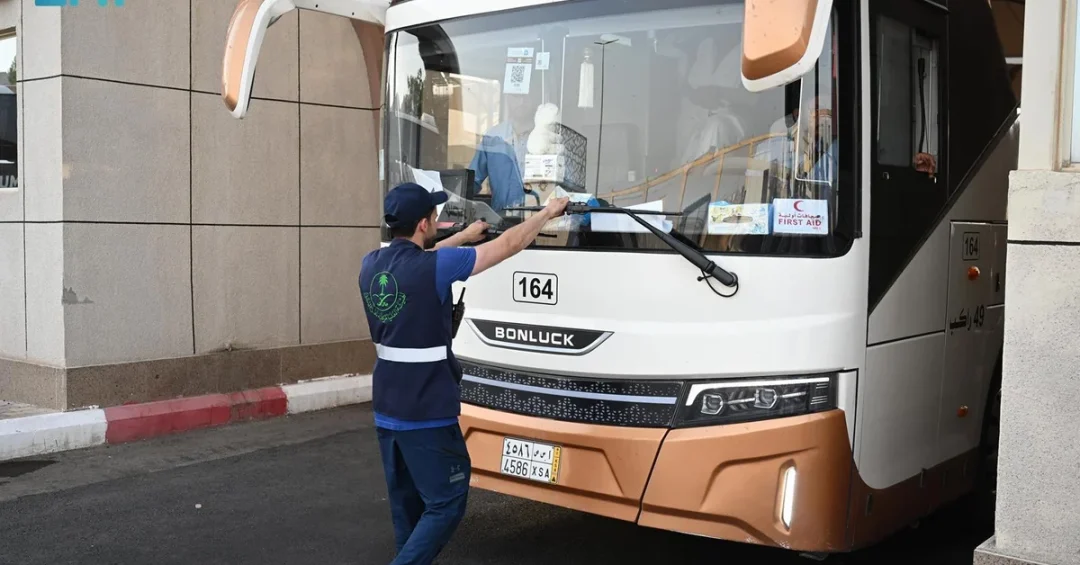
Hajj pilgrims have continued to depart from Madinah towards Makkah, supported by exceptional services that aim to facilitate their journey, the Saudi Press Agency (SPA) reported on June 2, 2024. After spending several days in Madinah for prayers at the Prophet’s Mosque and visiting historical sites connected to the life of the Prophet, pilgrims bid farewell as they embark on their onward journey to the holy city of Makkah to perform the annual Hajj pilgrimage.
Context and Background
The annual Hajj pilgrimage is one of the Five Pillars of Islam, drawing millions of Muslims from around the world to Saudi Arabia. Madinah, the second holiest city in Islam, holds profound significance for pilgrims, who often spend days there to pray at the Prophet’s Mosque and visit sites such as Quba Mosque and Mount Uhud before traveling to Makkah. The Saudi government, under the leadership of the Custodian of the Two Holy Mosques, King Salman bin Abdulaziz Al Saud, and Crown Prince Mohammed bin Salman, has consistently prioritized the comfort and safety of pilgrims, investing heavily in infrastructure and services. This year, as in previous years, authorities have implemented comprehensive measures to ensure a seamless experience from arrival to departure.
Key Details
The SPA captured glimpses of the outstanding services and tremendous efforts accompanying the pilgrims’ departure, showcasing the farewell moments and highlighting the magnificent works and dedicated efforts made to ensure a smooth and comfortable journey. These services include efficient transportation, medical care, guidance, and logistics support provided by various Saudi ministries and agencies. The Ministry of Hajj and Umrah, the General Authority for the Care of the Two Holy Mosques, and the Ministry of Health are among the key entities working tirelessly to facilitate the pilgrims’ movement. Buses and vehicles are organized to transport pilgrims from their accommodations in Madinah to Makkah, with strict schedules and safety protocols in place. Additionally, volunteers and staff are stationed along the routes to assist with any needs, from providing water and refreshments to offering medical assistance.
Implications and Impact
The successful departure of pilgrims from Madinah to Makkah underscores Saudi Arabia’s logistical capabilities and its commitment to hosting the Hajj with excellence. It also reflects the Kingdom’s broader efforts to enhance the pilgrimage experience, which is a central component of Vision 2030. By ensuring that pilgrims can focus on their spiritual journey without logistical concerns, Saudi Arabia reinforces its role as the guardian of Islam’s holiest sites and a leader in global Islamic affairs. Furthermore, the smooth operation has positive implications for the local economy, as pilgrims contribute to various sectors during their stay. International observers have praised the Kingdom’s handling of the pilgrimage, which serves as a model for large-scale event management. The seamless transition from Madinah to Makkah also highlights the effectiveness of Saudi Arabia’s integrated transport and security networks, which are vital for the safety and well-being of all attendees.
Vision 2030 Alignment
The exceptional services provided to Hajj pilgrims align closely with Saudi Arabia’s Vision 2030, which aims to diversify the economy, enhance public services, and improve the quality of life for citizens and visitors alike. Under Vision 2030, the Kingdom has invested in modernizing infrastructure, expanding the capacity of the Two Holy Mosques, and digitizing services to streamline the pilgrimage process. These efforts not only facilitate the spiritual journey of millions but also showcase Saudi Arabia’s capacity to host mega-events and its dedication to serving Islam and Muslims worldwide. As the Kingdom continues to advance its ambitious reform agenda, the Hajj pilgrimage remains a testament to its enduring commitment to faith, hospitality, and excellence.
20 Questions
Q1. What is the significance of Madinah in the Hajj pilgrimage?
A1. Madinah is the second holiest city in Islam, home to the Prophet’s Mosque. Many pilgrims visit Madinah before Hajj to pray and visit historical sites, seeking spiritual preparation and blessings.
Q2. How long do pilgrims typically stay in Madinah before going to Makkah?
A2. Pilgrims often spend several days in Madinah, usually three to eight days, to perform prayers at the Prophet’s Mosque and visit significant sites such as Quba Mosque and Mount Uhud.
Q3. What are some of the key services provided to pilgrims in Madinah?
A3. Key services include transportation, medical care, guidance, accommodation, and logistical support. Saudi authorities also provide multilingual assistance and ensure security and crowd management.
Q4. Which Saudi agencies are primarily responsible for facilitating the pilgrims’ journey?
A4. The Ministry of Hajj and Umrah, the General Authority for the Care of the Two Holy Mosques, the Ministry of Health, and the Ministry of Interior are among the main agencies involved.
Q5. How does Saudi Arabia ensure a smooth departure of pilgrims from Madinah?
A5. Saudi Arabia organizes transportation with strict schedules, deploys staff and volunteers along routes, and implements safety protocols to ensure a smooth and comfortable departure for pilgrims.
Q6. What role does the Saudi Press Agency play in reporting on Hajj services?
A6. The Saudi Press Agency (SPA) documents and reports on the services provided to pilgrims, showcasing the efforts of various agencies and highlighting the Kingdom’s commitment to facilitating the pilgrimage.
Q7. How do the services for pilgrims align with Saudi Vision 2030?
A7. The services align with Vision 2030 by enhancing public services, modernizing infrastructure, and improving the quality of life for visitors, while also diversifying the economy and showcasing Saudi capabilities.
Q8. What historical sites do pilgrims visit in Madinah?
A8. Pilgrims visit the Prophet’s Mosque, Quba Mosque (the first mosque in Islam), Mount Uhud, and other sites associated with the life of the Prophet Muhammad and early Islamic history.
Q9. How many pilgrims perform Hajj annually?
A9. The number varies, but in recent years, millions of pilgrims from around the world perform Hajj annually. In 2023, over 1.8 million pilgrims participated.
Q10. What transportation options are available for pilgrims traveling from Madinah to Makkah?
A10. Pilgrims typically travel by bus, car, or the Haramain High-Speed Railway, which offers a fast and comfortable journey between the two holy cities.
Q11. How does Saudi Arabia handle medical emergencies during the pilgrimage?
A11. Saudi Arabia deploys medical teams, establishes field hospitals, and provides emergency services along pilgrimage routes. The Ministry of Health coordinates these efforts to ensure prompt care.
Q12. What is the role of volunteers in serving the pilgrims?
A12. Volunteers assist with guidance, translation, distribution of water and food, and crowd management. Their efforts reflect the spirit of hospitality and service central to Saudi culture.
Q13. How does the Hajj pilgrimage impact the Saudi economy?
A13. Hajj generates significant revenue through sectors such as hospitality, transportation, and retail. It also creates jobs and supports local businesses, contributing to economic diversification.
Q14. What measures are taken to ensure the safety and security of pilgrims?
A14. Saudi authorities implement extensive security measures, including surveillance, crowd control, and coordination with various agencies, to ensure the safety of all pilgrims throughout their journey.
Q15. How has technology improved the Hajj experience in recent years?
A15. Technology has improved the Hajj experience through mobile apps for navigation and services, digital identification, and smart systems for crowd management, making the pilgrimage smoother and safer.
Q16. What is the significance of the farewell moments for pilgrims leaving Madinah?
A16. The farewell moments are emotional and spiritual, as pilgrims express gratitude for the opportunity to visit the holy sites and pray for a successful Hajj. It marks the transition to the climax of their journey in Makkah.
Q17. How does Saudi Arabia accommodate pilgrims with disabilities or special needs?
A17. Saudi Arabia provides accessible facilities, dedicated assistance, and special services to ensure that pilgrims with disabilities can perform their rituals comfortably and with dignity.
Q18. What is the role of the General Authority for the Care of the Two Holy Mosques?
A18. The authority oversees the maintenance, expansion, and operation of the Two Holy Mosques, ensuring that pilgrims have a safe and spiritual environment for their prayers and rituals.
Q19. How do international pilgrims prepare for the Hajj journey?
A19. International pilgrims prepare by obtaining visas, attending orientation sessions, packing necessary items, and learning about the rituals. Many also seek guidance from travel agencies and religious scholars.
Q20. What message does Saudi Arabia convey through its exceptional Hajj services?
A20. Saudi Arabia conveys a message of dedication to serving Islam and Muslims, showcasing its logistical capabilities, hospitality, and commitment to ensuring a spiritually fulfilling pilgrimage for all.
Reader Feedback
We value your thoughts. Please share your feedback on this article.
Your feedback helps us improve our coverage.