


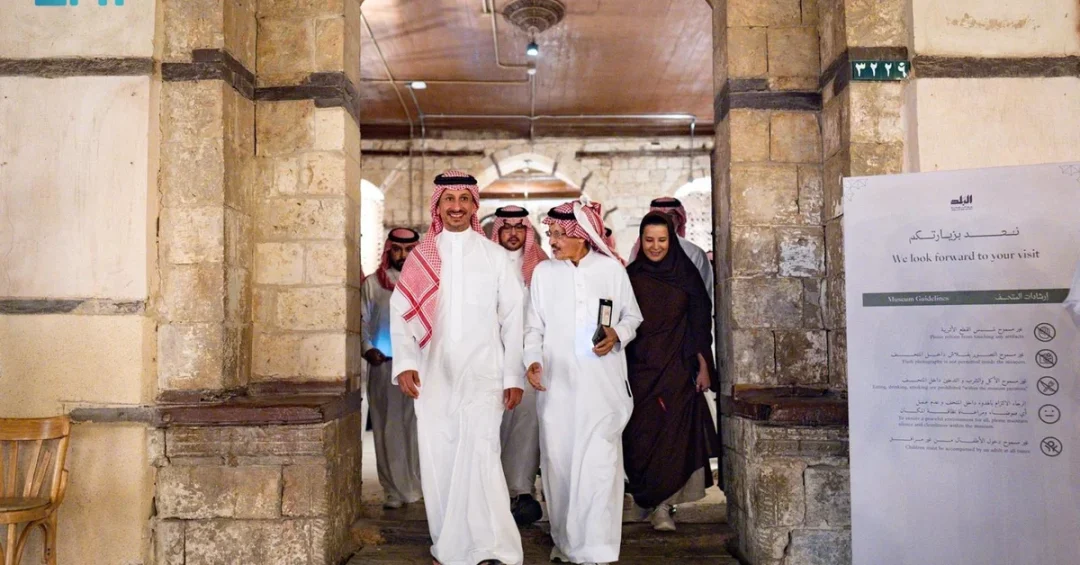
Saudi Minister of Tourism Ahmed Al-Khateeb, who also serves as Chairman of the Board of Directors of the Saudi Tourism Authority, conducted a comprehensive tour of Jeddah on March 21, 2025, exploring the city’s landmark attractions, cultural experiences, and Ramadan festivities that underscore its distinctive status as a premier tourism destination. The visit, reported by the Saudi Press Agency, highlighted Jeddah’s unique blend of historical authenticity and modern cultural expression, positioning the Red Sea port city as a cornerstone of the Kingdom’s expanding tourism sector.
Could Jeddah’s rich tapestry of heritage and contemporary attractions represent the ideal model for Saudi Arabia’s ambitious tourism transformation? The minister’s itinerary, which included stops at Al-Mirkaz, Historic Jeddah, and the Islamic Arts Biennale 2025, suggests that the city’s ability to simultaneously honor its past while embracing cultural innovation is precisely what makes it a compelling destination for international and domestic visitors alike.
Context and Background
Jeddah, historically known as the gateway to the holy cities of Makkah and Madinah, has long occupied a special place in the Kingdom’s cultural and economic landscape. As Saudi Arabia accelerates its tourism development under Vision 2030, the city’s unique character—shaped by centuries of trade, pilgrimage, and cultural exchange—has become a focal point for national efforts to attract 150 million annual visits by 2030. The Ministry of Tourism, under Al-Khateeb’s leadership, has prioritized the preservation and promotion of Jeddah’s heritage sites while fostering new cultural initiatives that appeal to global audiences.
What makes Jeddah particularly significant in the national tourism strategy is its seamless integration of the old and the new. The Historic Jeddah district, recognized as a UNESCO World Heritage Site, features the iconic coral-stone houses of Al-Balad, bustling traditional souks, and centuries-old mosques. Just minutes away, modern art galleries, luxury waterfront developments, and international culinary experiences cater to contemporary travelers. This duality allows Jeddah to serve as a living museum and a dynamic urban center simultaneously.
The timing of the minister’s tour during Ramadan adds another layer of cultural richness. Ramadan in Jeddah is celebrated with distinctive Hijazi traditions, including elaborate iftar gatherings, nighttime markets, and spiritual performances that reflect the city’s cosmopolitan history. Al-Khateeb’s visit to Al-Mirkaz, a popular Ramadan destination, allowed him to experience firsthand the traditional foods, crafts, and communal atmosphere that define the holy month in this part of the Kingdom.
Key Details of the Ministerial Tour
The tour commenced at Al-Mirkaz, where Minister Al-Khateeb immersed himself in Ramadan traditions and sampled authentic Hijazi cuisine. Al-Mirkaz, known for its vibrant Ramadan market, showcases the region’s culinary heritage, from savory sambousek and hearty foul to sweet luqaimat and refreshing karkade. The minister’s engagement with local vendors and artisans highlighted the Ministry of Tourism’s commitment to supporting small businesses and promoting regional gastronomy as a key tourism asset.
Following his visit to Al-Mirkaz, Al-Khateeb proceeded to Historic Jeddah, where he toured the ancient alleyways and restored buildings of Al-Balad. The area, which dates back to the 7th century, has undergone extensive preservation and revitalization efforts as part of a broader national initiative to protect Saudi Arabia’s cultural heritage. The minister inspected ongoing restoration projects and interacted with local guides and historians, emphasizing the importance of community involvement in heritage conservation.
The final leg of the tour took the minister to the Islamic Arts Biennale 2025, a major cultural event that showcases contemporary and historical Islamic art from around the world. Held in the Western Hajj Terminal at King Abdulaziz International Airport—an architectural masterpiece designed by Skidmore, Owings & Merrill—the biennale features installations, calligraphy, and multimedia works that explore Islamic artistic traditions. Al-Khateeb praised the exhibition for its role in fostering cross-cultural dialogue and attracting art enthusiasts to Jeddah.
Throughout the tour, the minister underscored Jeddah’s unique status as a tourist destination, citing its rich historical and cultural landmarks. He noted that the city’s authenticity, combined with its modern amenities and strategic location, makes it an ideal entry point for international visitors exploring the Kingdom. The Saudi Tourism Authority has been actively promoting Jeddah through global marketing campaigns, travel trade partnerships, and improved connectivity, including expanded flight routes and cruise ship arrivals.
International and Regional Impact
Jeddah’s emergence as a must-visit destination carries significant implications for regional tourism dynamics. As the second-largest city in Saudi Arabia and a major gateway to the Red Sea, Jeddah competes with established regional hubs such as Dubai, Doha, and Cairo. However, its distinct cultural offering—rooted in Islamic heritage and Hijazi traditions—provides a differentiated appeal that resonates with travelers seeking authentic experiences. The presence of the Islamic Arts Biennale, for instance, positions Jeddah as a center for artistic exchange, attracting collectors, curators, and cultural tourists from across the globe.
Could Jeddah’s cultural diplomacy serve as a bridge between Saudi Arabia and the international community? The minister’s tour and the events he visited suggest that cultural engagement is a key pillar of the Kingdom’s soft power strategy. By welcoming international artists, scholars, and visitors to events like the biennale, Saudi Arabia demonstrates its openness and commitment to global cultural dialogue. This, in turn, supports the broader goals of Vision 2030 by enhancing the Kingdom’s image and fostering people-to-people connections.
On a regional level, Jeddah’s tourism growth contributes to the economic diversification of the Red Sea region. The city’s port and airport serve as critical infrastructure for cruise tourism and air travel, facilitating the movement of visitors to other Saudi destinations such as NEOM, AlUla, and the Red Sea Project. The integration of Jeddah into multi-city itineraries amplifies its impact, making it a linchpin of the national tourism ecosystem.
Economic and Strategic Significance
The tourism sector is a central component of Saudi Arabia’s economic transformation, with the Kingdom aiming to increase tourism’s contribution to GDP from 3% to 10% by 2030. Jeddah, as a mature tourism market with established infrastructure, plays a vital role in achieving this target. The city already attracts millions of domestic and international visitors annually, particularly during the Hajj and Umrah seasons, but efforts are underway to extend stays and encourage exploration beyond religious pilgrimage.
Minister Al-Khateeb’s tour highlighted several economic opportunities tied to Jeddah’s tourism development. The restoration of Historic Jeddah has spurred investment in boutique hotels, artisanal shops, and cultural centers, creating jobs and supporting local entrepreneurs. The Islamic Arts Biennale, meanwhile, generates demand for hospitality, dining, and transportation services, while also enhancing the city’s brand as a cultural capital. These initiatives align with the Ministry of Tourism’s strategy to diversify the visitor experience and increase tourism spending.
What role does public-private partnership play in Jeddah’s tourism success? The Saudi Tourism Authority has collaborated with private sector stakeholders to develop attractions, improve service standards, and launch promotional campaigns. For example, the Jeddah Season festival, an annual event featuring concerts, entertainment, and cultural activities, has become a major draw for domestic tourists. Such partnerships are essential for sustaining growth and ensuring that Jeddah remains competitive in the global tourism market.
Vision 2030 Alignment
The minister’s tour of Jeddah exemplifies the Kingdom’s Vision 2030 objectives of diversifying the economy, promoting cultural heritage, and enhancing quality of life. By spotlighting Jeddah’s unique destinations, the Ministry of Tourism reinforces the narrative of a modern, open Saudi Arabia that welcomes the world while preserving its identity. The focus on Ramadan experiences, historic sites, and Islamic art reflects the Vision’s emphasis on celebrating Saudi culture and sharing it with international audiences.
Looking ahead, Jeddah is poised to play an even greater role in Saudi Arabia’s tourism landscape. Upcoming projects, such as the Jeddah Central Development Company’s waterfront regeneration and the expansion of King Abdulaziz International Airport, will further boost the city’s capacity and appeal. As the Kingdom continues its journey toward becoming a global tourism powerhouse, Jeddah’s blend of tradition and innovation will remain a key asset, drawing visitors who seek authentic, enriching experiences in the heart of the Red Sea region.
20 Questions
Q1. Who conducted the tour of Jeddah’s key landmarks and attractions?
A1. Saudi Minister of Tourism Ahmed Al-Khateeb, who is also Chairman of the Board of Directors of the Saudi Tourism Authority, conducted the tour on March 21, 2025.
Q2. What was the primary purpose of the minister’s visit to Jeddah?
A2. The visit aimed to explore Jeddah’s landmarks, attractions, and Ramadan experiences, highlighting the city’s unique status and authenticity as a tourist destination.
Q3. Which locations did Minister Al-Khateeb visit during his tour?
A3. He visited Al-Mirkaz, Historic Jeddah, and the Islamic Arts Biennale 2025, experiencing Ramadan traditions, Hijazi cuisine, and Islamic-inspired artworks.
Q4. What is Al-Mirkaz known for in Jeddah?
A4. Al-Mirkaz is a popular Ramadan destination known for its vibrant market, traditional Hijazi cuisine, and communal atmosphere that reflects the holy month’s spirit.
Q5. Why is Historic Jeddah significant?
A5. Historic Jeddah, a UNESCO World Heritage Site, features ancient coral-stone houses, traditional souks, and mosques, representing centuries of cultural and trade history.
Q6. What is the Islamic Arts Biennale 2025?
A6. It is a major cultural event showcasing contemporary and historical Islamic art, held at the Western Hajj Terminal, attracting artists and visitors from around the world.
Q7. How does Jeddah contribute to Saudi Arabia’s tourism goals?
A7. Jeddah serves as a gateway city with rich heritage and modern amenities, helping Saudi Arabia attract 150 million annual visits by 2030 and increase tourism’s GDP contribution.
Q8. What Ramadan traditions are unique to Jeddah?
A8. Jeddah’s Ramadan traditions include elaborate iftar gatherings, nighttime markets, spiritual performances, and distinctive Hijazi cuisine, reflecting its cosmopolitan history.
Q9. How does the minister’s tour support Vision 2030?
A9. The tour promotes cultural heritage and tourism diversification, aligning with Vision 2030’s goals of economic diversification, cultural preservation, and enhanced quality of life.
Q10. What economic benefits does Jeddah’s tourism development bring?
A10. It creates jobs, supports local entrepreneurs, boosts hospitality and retail sectors, and increases tourism spending, contributing to the national economy.
Q11. What role does the Saudi Tourism Authority play in Jeddah’s tourism?
A11. The authority promotes Jeddah through global marketing, trade partnerships, and improved connectivity, working to position the city as a premier destination.
Q12. How does the Islamic Arts Biennale enhance Jeddah’s cultural standing?
A12. It positions Jeddah as a center for artistic exchange, attracting collectors, curators, and cultural tourists, and fosters cross-cultural dialogue.
Q13. What infrastructure developments are planned for Jeddah?
A13. Projects include the Jeddah Central Development Company’s waterfront regeneration and the expansion of King Abdulaziz International Airport to boost capacity and appeal.
Q14. How does Jeddah compare to other regional tourism hubs?
A14. Jeddah offers a distinct cultural experience rooted in Islamic heritage and Hijazi traditions, differentiating it from Dubai, Doha, and Cairo.
Q15. What is the significance of the Western Hajj Terminal?
A15. Designed by Skidmore, Owings & Merrill, it is an architectural masterpiece that now hosts cultural events like the Islamic Arts Biennale, blending heritage and modernity.
Q16. How does Jeddah attract international visitors beyond pilgrimage?
A16. Through cultural events, heritage sites, luxury waterfront developments, and global marketing campaigns, Jeddah appeals to leisure and cultural tourists.
Q17. What is the Jeddah Season festival?
A17. It is an annual event featuring concerts, entertainment, and cultural activities, drawing domestic and international tourists and boosting the local economy.
Q18. How does the Ministry of Tourism support local businesses in Jeddah?
A18. By promoting regional gastronomy, supporting artisans, and encouraging community involvement in heritage conservation, the ministry fosters small business growth.
Q19. What makes Jeddah a gateway to the Red Sea region?
A19. Its port and airport serve as critical infrastructure for cruise tourism and air travel, facilitating access to other Saudi destinations like NEOM and AlUla.
Q20. What future prospects does Jeddah hold in Saudi tourism?
A20. With ongoing developments and strategic location, Jeddah is set to remain a key asset, drawing visitors seeking authentic experiences in the Red Sea region.
Reader Feedback
We value your thoughts. Please share your feedback on this article.
Your feedback helps us improve our coverage.