


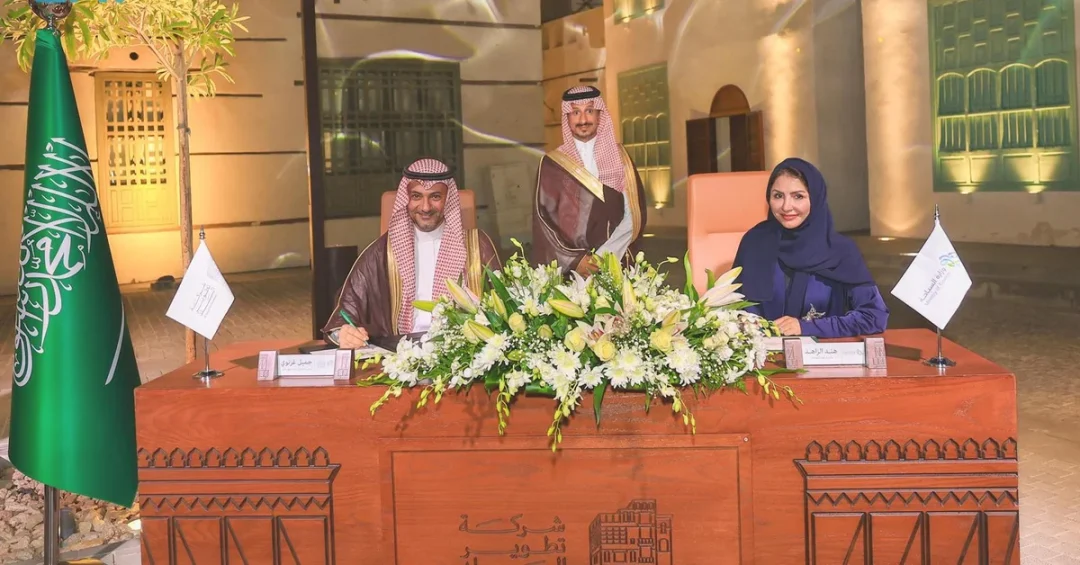
The Ministry of Tourism and Al-Balad Development Company, a subsidiary of the Public Investment Fund (PIF), signed a memorandum of understanding (MoU) on July 24, 2024, in Jeddah to empower national human capital in the tourism sector. The agreement focuses on enhancing hospitality services in Jeddah’s historic district, Al-Balad, by creating local jobs and developing a skilled workforce in hospitality, heritage tourism, and tourist guidance. It was signed by Al-Balad CEO Jamil Ghaznawi and the Ministry’s Acting Undersecretary for Tourism Human Resources Development Hind Al-Zahid, in the presence of Minister of Tourism Ahmed Al-Khateeb.
Context and Background
This MoU is part of Saudi Arabia’s broader efforts to boost tourism under the Kingdom’s National Tourism Strategy, which aims to attract 150 million annual visitors by 2030 and create 1.6 million tourism-related jobs. Al-Balad, a UNESCO World Heritage site, is a key focus for heritage tourism development, and the partnership leverages the resources of both the Ministry and the PIF subsidiary to achieve these goals.
Key Details
The agreement outlines collaboration to harness shared resources and expertise, empowering Saudi nationals through comprehensive training, education, and job opportunities. The Ministry and Al-Balad Development Company will work together to improve service quality in Al-Balad, supporting Vision 2030’s focus on economic diversification and cultural preservation. Officials emphasized the importance of investing in local talent to sustain the district’s tourism growth.
Implications and Impact
This initiative is expected to boost local employment in Jeddah, providing Saudis with skills in high-demand tourism fields. It enhances the visitor experience at Al-Balad, supporting Saudi Arabia’s global tourism ambitions and aligning with regional economic development. The partnership also strengthens the role of PIF-backed entities in driving human capital development.
Vision 2030 Alignment
This MoU directly advances Vision 2030’s goals by developing a skilled national workforce in tourism, a key pillar of economic diversification. By investing in human capital and preserving heritage, Saudi Arabia is building a sustainable tourism sector that supports long-term growth and global engagement, reinforcing the Kingdom’s position as a premier travel destination.
20 Questions
Q1. What is the purpose of the MoU signed between the Ministry of Tourism and Al-Balad Development Company?
A1. The MoU aims to empower national human capital in the tourism sector by improving hospitality services, creating local jobs, and developing a skilled workforce in Jeddah’s historic Al-Balad district.
Q2. Who signed the MoU on behalf of the Ministry of Tourism?
A2. The MoU was signed by Hind Al-Zahid, the Acting Undersecretary for Tourism Human Resources Development at the Ministry of Tourism.
Q3. Who signed the MoU on behalf of Al-Balad Development Company?
A3. The MoU was signed by Jamil Ghaznawi, the CEO of Al-Balad Development Company.
Q4. When was the MoU signed?
A4. The MoU was signed on July 24, 2024, in Jeddah, Saudi Arabia.
Q5. What is the focus of the collaboration under this MoU?
A5. The collaboration focuses on improving hospitality services in Al-Balad, creating local jobs, and developing skills in hospitality, heritage tourism, and tourist guidance.
Q6. How does this MoU align with Saudi Arabia’s National Tourism Strategy?
A6. The MoU supports the National Tourism Strategy by contributing to its goals of attracting 150 million annual visitors by 2030 and creating 1.6 million tourism-related jobs.
Q7. What is Al-Balad Development Company?
A7. Al-Balad Development Company is a subsidiary of the Public Investment Fund (PIF) responsible for developing and preserving Jeddah’s historic Al-Balad district.
Q8. What is the significance of Al-Balad district?
A8. Al-Balad is a UNESCO World Heritage site in Jeddah, known for its historic architecture and cultural significance, making it a key focus for heritage tourism development.
Q9. How will the MoU empower Saudi nationals?
A9. The MoU will empower Saudi nationals through comprehensive training, education, and job opportunities in the tourism sector, particularly in Al-Balad.
Q10. What role does the Public Investment Fund (PIF) play in this initiative?
A10. The PIF supports this initiative through its subsidiary, Al-Balad Development Company, which brings resources and expertise to the partnership.
Q11. Who is the Minister of Tourism in Saudi Arabia?
A11. The Minister of Tourism is Ahmed Al-Khateeb, who was present during the signing of the MoU.
Q12. How does this MoU support Vision 2030?
A12. The MoU supports Vision 2030 by developing a skilled national workforce in tourism and preserving cultural heritage, both key pillars of economic diversification.
Q13. What specific skills will be developed under this MoU?
A13. The MoU will develop skills in hospitality, heritage tourism, and tourist guidance, preparing Saudis for careers in tourism.
Q14. Will this MoU create new jobs in Jeddah?
A14. Yes, the collaboration is expected to create local jobs in Al-Balad’s tourism and hospitality sectors, boosting employment in Jeddah.
Q15. How does this partnership benefit the visitor experience in Al-Balad?
A15. It improves service quality in hospitality and tourist guidance, enhancing the overall visitor experience at this historic district.
Q16. Is this MoU part of a larger government strategy?
A16. Yes, it is part of Saudi Arabia’s National Tourism Strategy and aligns with Vision 2030’s goals for economic diversification and human capital development.
Q17. What is the target for tourist visits in the National Tourism Strategy?
A17. The National Tourism Strategy aims to attract 150 million annual visitors to Saudi Arabia by 2030.
Q18. How will resources be shared under the MoU?
A18. Both parties will harness shared resources and expertise to implement training, education, and job placement programs in the tourism sector.
Q19. What is the role of the Ministry of Tourism in this MoU?
A19. The Ministry provides expertise in tourism human resources development and oversees the training and education components of the partnership.
Q20. What is the long-term goal of this MoU?
A20. The long-term goal is to build a sustainable tourism sector in Al-Balad by developing a skilled Saudi workforce, supporting economic growth and cultural preservation.
Reader Feedback
We value your thoughts. Please share your feedback on this article.
Your feedback helps us improve our coverage.