


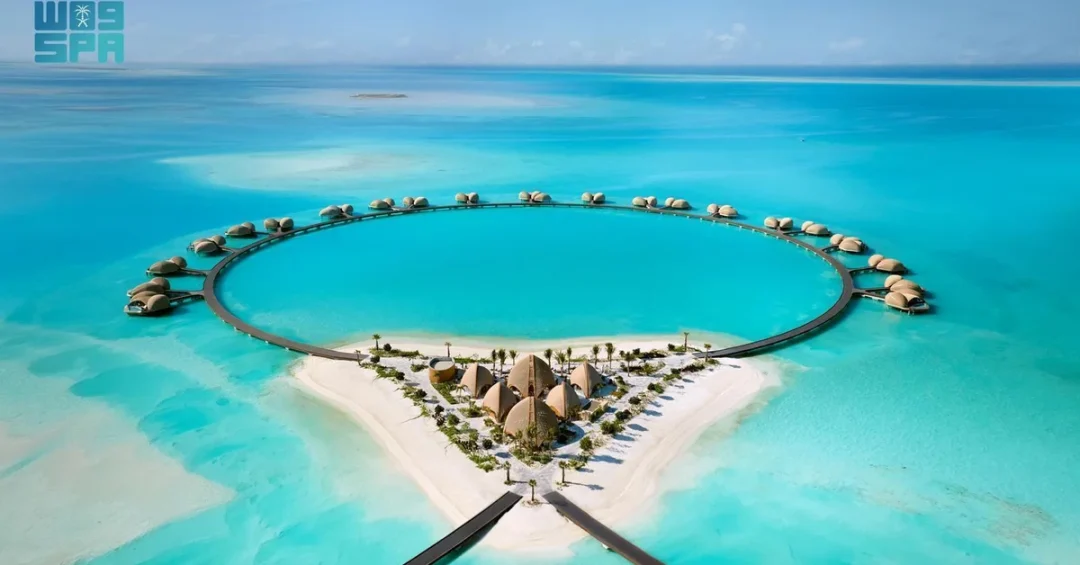
Ummahat Island, part of Saudi Arabia’s Red Sea destination developed by Red Sea Global, has drawn international recognition after Nujuma, a Ritz-Carlton Reserve resort, was named the 2024 “Best New Hotel” by Forbes Travel Guide. The award, announced via official Saudi channels, underscores the Kingdom’s growing stature in luxury hospitality and its capacity to pair world-class tourism with environmental stewardship. Surrounded by clear waters, white sandy beaches, and vibrant coral reefs, Ummahat Island has quickly become a flagship example of how Saudi Arabia is reshaping its tourism sector in line with Vision 2030. For international travelers seeking both exclusivity and authenticity, the island offers a compelling new option in the Red Sea. But what exactly makes this destination stand out in an increasingly competitive global market?
The recognition from Forbes Travel Guide, a globally respected authority on luxury hospitality, reflects years of planning, investment, and careful execution by Red Sea Global, the developer behind the Red Sea project. Nujuma, which means “stars” in Arabic, features 63 overwater and beach villas ranging from one to four bedrooms, each designed to blend contemporary luxury with Saudi cultural heritage. The resort’s strategic location on Ummahat Island places guests at the heart of one of the world’s most pristine coral reef systems, offering an experience that combines relaxation with exploration. The award is not merely a hotel accolade; it is a signal that Saudi Arabia’s tourism ambitions are translating into tangible, internationally recognized results.
Context and Background
How did a remote island in the Red Sea become a benchmark for luxury travel in less than a decade? The answer lies in Saudi Arabia’s broader strategy to diversify its economy away from oil dependence, a core pillar of Vision 2030. The Red Sea destination, developed by Red Sea Global, is one of the Kingdom’s most ambitious tourism projects, spanning dozens of islands and covering an area roughly the size of Belgium. Ummahat Island is among the first to welcome guests, setting the tone for what is to come. The project is designed to set new standards in regenerative tourism, aiming to enhance the natural environment rather than merely sustain it.
Nujuma, operated under the prestigious Ritz-Carlton Reserve brand, opened its doors as part of a phased rollout of Red Sea Global’s offerings. The resort’s design draws on traditional Saudi architecture and hospitality, with interiors that reflect the colors and textures of the surrounding landscape. Its overwater villas, a rarity in the region, provide direct access to the reef, while beach villas offer privacy and space for families. The combination of luxury and ecological sensitivity has resonated with international travelers and critics alike, culminating in the Forbes Travel Guide award. This recognition also highlights the role of Saudi leadership in championing tourism as a key economic driver.
The Red Sea project is not an isolated initiative. It forms part of a wider portfolio that includes NEOM, the Diriyah Gate project, and AlUla, all aimed at attracting millions of international visitors annually by 2030. Ummahat Island’s success demonstrates that the Kingdom can compete at the highest level of global hospitality, not just in scale but in quality and sustainability. For a nation historically known for religious tourism, this represents a significant diversification of its tourism offering.
Key Details
What does a stay at Nujuma actually offer? The resort comprises 63 villas, each with a private pool and direct access to the sea or beach. Overwater villas are arranged in a ring, connected by walkways, allowing guests to step directly into the warm, clear waters of the Red Sea. The interiors are spacious, with one- to four-bedroom configurations that cater to couples, families, and groups. Dining options emphasize local and regional cuisine, with ingredients sourced sustainably, including from the Kingdom’s growing agricultural sector. The resort also features a spa, a diving center, and a range of cultural experiences curated in partnership with local communities.
Sustainability is not an afterthought but a design principle. Red Sea Global has committed to a 30% net conservation benefit by 2040, and Nujuma contributes to this through renewable energy use, waste reduction, and coral reef protection programs. The resort operates on solar power and has implemented advanced water treatment and desalination systems. Guests are encouraged to participate in conservation efforts, such as coral restoration workshops and guided reef tours led by marine biologists. This approach aligns with global trends in eco-luxury, where discerning travelers seek destinations that protect the environments they visit.
The island’s natural assets are its greatest draw. The Red Sea is home to more than 1,200 species of fish, many of which are endemic, and its coral reefs are among the most resilient in the world. Ummahat Island’s house reef is easily accessible, making it ideal for snorkelers and divers of all levels. The white sandy beaches provide a serene setting for relaxation, while the clear waters invite swimming, kayaking, and paddleboarding. For those seeking adventure, the surrounding archipelago offers opportunities for island hopping and exploration of untouched atolls.
International and Regional Impact
How does Ummahat Island’s success influence Saudi Arabia’s standing in the global tourism landscape? The Forbes Travel Guide award places Nujuma alongside established luxury properties in the Maldives, Seychelles, and French Polynesia, signaling that the Red Sea is now a credible competitor in the high-end market. For international travelers, it adds a new, culturally rich destination to their consideration set. For the region, it reinforces Saudi Arabia’s role as a tourism hub, potentially drawing visitors who might otherwise have chosen other Middle Eastern destinations. The award also boosts confidence among investors and hotel operators considering entry into the Saudi market.
Regionally, the Red Sea project is part of a broader shift in the Middle East’s tourism dynamics. Saudi Arabia’s opening to international leisure travelers, facilitated by streamlined visa policies and increased flight connectivity, is reshaping travel patterns. Neighboring countries are watching closely, as the Kingdom’s investments in infrastructure and hospitality raise the bar for the entire region. The Red Sea International Airport, which serves the destination, now receives regular flights from major cities, making access easier than ever. This connectivity is crucial for attracting the global jet-set that luxury resorts rely on.
On the international stage, the award enhances Saudi Arabia’s soft power. It showcases the Kingdom’s ability to deliver world-class experiences that respect local culture and the environment. This narrative counters outdated perceptions and aligns with the broader goals of Vision 2030 to present Saudi Arabia as a modern, welcoming nation. The recognition from Forbes Travel Guide, an independent and widely trusted entity, lends third-party credibility to the Kingdom’s tourism ambitions, which is invaluable for marketing to skeptical audiences.
Economic and Strategic Significance
What does Ummahat Island’s achievement mean for Saudi Arabia’s economy? Tourism is a key pillar of Vision 2030, with targets to increase the sector’s contribution to GDP from 3% to 10% by 2030 and to attract 150 million visits annually. Luxury resorts like Nujuma play a disproportionate role in this effort, as they generate higher revenue per guest and create demand for premium services, from private aviation to fine dining. The Red Sea project alone is expected to create tens of thousands of jobs and contribute billions to the economy once fully operational. The Forbes award serves as free marketing, elevating the destination’s profile and attracting high-spending travelers.
Strategically, the Red Sea destination is part of Saudi Arabia’s effort to diversify away from oil and create sustainable, knowledge-based industries. Tourism development stimulates construction, hospitality training, and small business growth. It also encourages the preservation of cultural heritage and natural environments, which are increasingly seen as economic assets. The involvement of Red Sea Global, a company owned by the Public Investment Fund (PIF), demonstrates how sovereign wealth can be deployed to catalyze new sectors. The success of Nujuma validates this model and paves the way for further investments in the tourism value chain.
Moreover, the focus on sustainability aligns with global investor and consumer preferences. As climate concerns rise, destinations that can demonstrate environmental responsibility gain a competitive edge. Red Sea Global’s commitment to regenerative tourism, including its pledge to achieve a net conservation benefit, positions the Kingdom as a leader in this emerging field. This could attract partnerships with international conservation organizations and eco-conscious brands, further enhancing the destination’s appeal.
Vision 2030 Alignment
How does Ummahat Island fit into the grand tapestry of Vision 2030? The Vision, launched in 2016 by Crown Prince Mohammed bin Salman, seeks to transform Saudi Arabia into a vibrant society, a thriving economy, and an ambitious nation. Tourism is explicitly identified as a key enabler, with the goal of welcoming 100 million international and domestic tourists by 2030. The Red Sea project, including Ummahat Island, is a flagship initiative under this umbrella, designed to showcase the Kingdom’s natural beauty and cultural richness while creating economic opportunities for Saudis. The Forbes award is a milestone that validates the Vision’s approach and inspires further progress.
Beyond tourism, Ummahat Island exemplifies the Vision’s emphasis on sustainability and quality of life. It provides a model for how development can coexist with environmental protection, a priority for a nation that is highly vulnerable to climate change. The resort’s cultural programming, which includes local crafts, music, and cuisine, helps preserve Saudi heritage and share it with the world. This cultural exchange is a soft-power asset that strengthens international ties. As more Red Sea destinations open in the coming years, Ummahat Island will serve as a blueprint for balancing luxury, culture, and ecology.
In conclusion, the recognition of Nujuma as the 2024 “Best New Hotel” by Forbes Travel Guide is more than a feather in the cap for Red Sea Global. It is a clear signal that Saudi Arabia’s Vision 2030 tourism strategy is delivering on its promise. Ummahat Island, with its clear waters, white sands, and commitment to sustainability, represents the future of travel in the Kingdom: luxurious, authentic, and responsible. As the world looks for new horizons, Saudi Arabia is offering a compelling one. Will you be among the first to discover it?
20 Questions
Q1. What is Ummahat Island?
A1. Ummahat Island is a luxury destination within Saudi Arabia’s Red Sea project, developed by Red Sea Global. It features pristine beaches, coral reefs, and the Nujuma, a Ritz-Carlton Reserve resort, offering high-end overwater and beach villas.
Q2. What is Nujuma, and why is it significant?
A2. Nujuma is a Ritz-Carlton Reserve resort on Ummahat Island. It is significant because it was named the 2024 “Best New Hotel” by Forbes Travel Guide, highlighting Saudi Arabia’s growing luxury tourism sector.
Q3. Where is Ummahat Island located?
A3. Ummahat Island is located in the Red Sea, off the western coast of Saudi Arabia. It is part of the Red Sea destination, a vast archipelago developed by Red Sea Global as a flagship tourism project.
Q4. How many villas does Nujuma have?
A4. Nujuma features 63 luxurious overwater and beach villas, ranging from one to four bedrooms. Each villa offers privacy, direct sea or beach access, and modern amenities, catering to couples, families, and groups.
Q5. What makes Ummahat Island’s natural environment special?
A5. The island is surrounded by clear waters, white sandy beaches, and diverse coral reefs. The Red Sea is home to over 1,200 fish species, many endemic, and its reefs are among the most resilient in the world.
Q6. Who developed Ummahat Island and Nujuma?
A6. Ummahat Island and Nujuma were developed by Red Sea Global, a company owned by Saudi Arabia’s Public Investment Fund (PIF). Red Sea Global is responsible for the entire Red Sea destination.
Q7. What award did Nujuma receive?
A7. Nujuma received the 2024 “Best New Hotel” award from Forbes Travel Guide. This independent recognition is highly regarded in the luxury hospitality industry and adds credibility to Saudi Arabia’s tourism offerings.
Q8. How does Nujuma incorporate Saudi culture?
A8. Nujuma integrates authentic Saudi cultural experiences, including local cuisine, crafts, music, and hospitality traditions. The resort’s design and programming reflect the heritage of the Red Sea region, offering guests a genuine sense of place.
Q9. What sustainability practices does Nujuma follow?
A9. Nujuma operates on renewable energy, uses advanced water treatment, and supports coral reef protection. Red Sea Global aims for a 30% net conservation benefit by 2040, and guests can join conservation workshops.
Q10. What activities are available on Ummahat Island?
A10. Activities include snorkeling, diving, kayaking, paddleboarding, and island hopping. The resort also offers spa treatments, cultural experiences, and guided reef tours led by marine biologists.
Q11. Why is the Forbes award important for Saudi Arabia?
A11. The award validates Saudi Arabia’s Vision 2030 tourism strategy, showcasing the Kingdom’s ability to deliver world-class hospitality. It enhances the destination’s global profile and attracts high-spending international travelers.
Q12. How does Ummahat Island contribute to Vision 2030?
A12. It supports Vision 2030’s goals to diversify the economy, increase tourism’s GDP contribution to 10%, and attract 150 million visits annually. It also creates jobs and promotes sustainable development.
Q13. What is the Red Sea project?
A13. The Red Sea project is a luxury tourism development spanning dozens of islands, covering an area roughly the size of Belgium. It is developed by Red Sea Global and is a cornerstone of Saudi Arabia’s tourism ambitions.
Q14. How can travelers reach Ummahat Island?
A14. Travelers can fly to Red Sea International Airport, which receives flights from major cities. From there, they can access Ummahat Island via boat or seaplane transfers arranged by the resort.
Q15. What is the climate like on Ummahat Island?
A15. The island enjoys a warm desert climate with year-round sunshine. Temperatures are mild in winter and hot in summer, with sea breezes. The best time to visit is from October to April.
Q16. Is Ummahat Island suitable for families?
A16. Yes, Nujuma offers one- to four-bedroom villas ideal for families. The calm waters and shallow reefs are safe for children, and the resort provides family-friendly activities and dining options.
Q17. What dining options are available at Nujuma?
A17. Nujuma offers multiple dining venues focusing on Saudi and international cuisine, using fresh, sustainably sourced ingredients. Guests can enjoy beachfront meals, private dining, and curated culinary experiences.
Q18. How does Red Sea Global protect the environment?
A18. Red Sea Global implements renewable energy, waste reduction, and coral restoration programs. It aims for a net conservation benefit, ensuring that development enhances rather than harms the natural environment.
Q19. What other destinations are part of the Red Sea project?
A19. The Red Sea project includes other islands and resorts, such as Sheybarah Island and the Red Sea coastal village. Each is designed with sustainability and luxury in mind, contributing to the overall destination.
Q20. What does the future hold for Ummahat Island?
A20. Ummahat Island is expected to continue attracting international acclaim as more facilities open. It will serve as a model for sustainable luxury tourism, supporting Saudi Arabia’s Vision 2030 goals and global tourism leadership.
Reader Feedback
We value your thoughts. Please share your feedback on this article.
Your feedback helps us improve our coverage.