


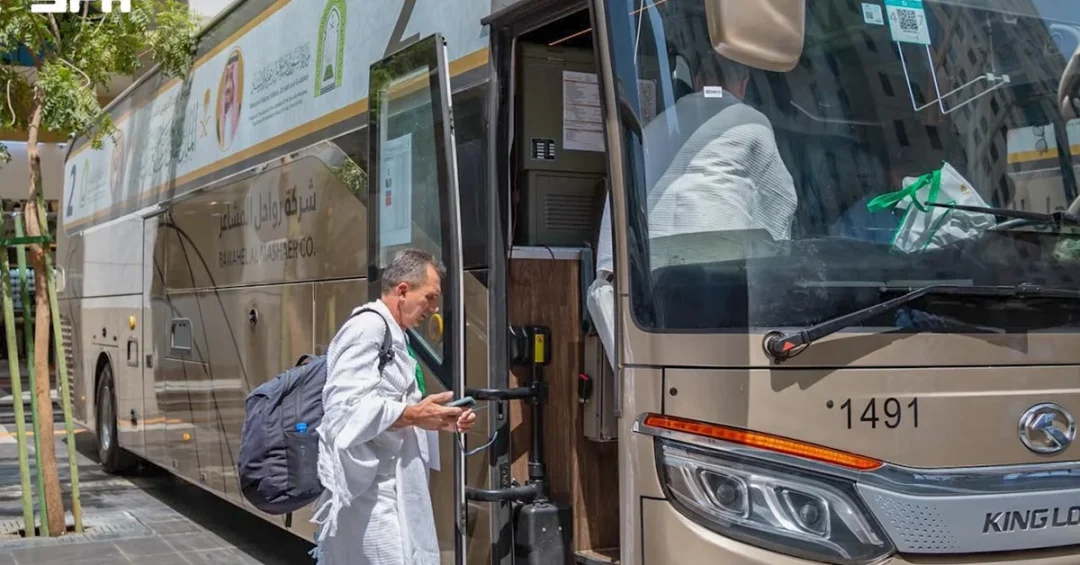
The second group of guests participating in the Custodian of the Two Holy Mosques’ Umrah and Visit Program departed Medina for Mecca to perform Umrah rituals, following their visit to the Prophet’s Mosque, as reported by the Saudi Press Agency (SPA). The group, comprising 250 male and female pilgrims from 23 countries across Europe and Asia, represents a significant phase of the program dedicated to hosting pilgrims from around the world. This initiative underscores Saudi Arabia’s commitment to serving Islam and Muslims, facilitating their spiritual journeys, and promoting cultural exchange under the guidance of the Kingdom’s leadership.
Context and Background
The Custodian of the Two Holy Mosques’ Umrah and Visit Program is a flagship initiative by the Saudi government, aimed at inviting Muslims from diverse backgrounds to perform Umrah and visit the holy sites in Mecca and Medina. Organized under the supervision of the Ministry of Hajj and Umrah, the program reflects the Kingdom’s dedication to enhancing the pilgrimage experience and showcasing its rich Islamic heritage. By hosting guests from countries such as Albania, Germany, Spain, Estonia, Jordan, Bosnia and Herzegovina, Montenegro, Iraq, Greece, the United Kingdom, Bulgaria, Poland, Romania, Slovakia, Slovenia, Syria, Switzerland, Serbia, France, Kosovo, North Macedonia, Moldova, and Austria, Saudi Arabia reinforces its role as a global leader in Islamic hospitality and intercultural dialogue.
Key Details
The second batch of 250 pilgrims, representing 23 nations, departed Medina after spending time at the Prophet’s Mosque, one of Islam’s holiest sites. Their journey to Mecca marks the beginning of the Umrah rituals, which include Tawaf (circumambulation of the Kaaba) and Sa’i (walking between the hills of Safa and Marwa). This phase of the program is meticulously organized to ensure comfort, safety, and spiritual fulfillment for all guests. The Saudi Press Agency reported that the group’s visit to Medina included guided tours and opportunities to learn about the historical and religious significance of the city, further enriching their pilgrimage experience.
Implications and Impact
This initiative has far-reaching implications for international relations and Islamic unity. By hosting pilgrims from Europe and Asia, Saudi Arabia strengthens people-to-people ties and fosters a positive image of the Kingdom as a welcoming and modern nation. The program also supports the local economies of Mecca and Medina through increased tourism and hospitality activities. Moreover, it aligns with Vision 2030 goals of enhancing the pilgrimage sector, improving service quality, and attracting millions of pilgrims annually. The successful execution of such programs demonstrates Saudi Arabia’s logistical capabilities and its unwavering commitment to serving the guests of God.
Vision 2030 Alignment
The Custodian of the Two Holy Mosques’ Umrah and Visit Program is a direct manifestation of Vision 2030’s objectives to diversify the economy, promote cultural exchange, and elevate the Kingdom’s global standing. By facilitating Umrah for international guests, Saudi Arabia not only fulfills its religious duty but also showcases its organizational excellence and hospitality. As the Kingdom continues to invest in infrastructure and services for pilgrims, programs like this will play a pivotal role in achieving the Vision’s targets of welcoming 30 million Umrah performers by 2030. This initiative reflects the leadership’s dedication to serving Islam and Muslims, ensuring that the sacred journey remains accessible and enriching for all.
20 Questions
Q1. What is the Custodian of the Two Holy Mosques’ Umrah and Visit Program?
A1. It is a Saudi initiative to host Muslims from around the world for Umrah and visits to holy sites, reflecting the Kingdom’s commitment to serving Islam and enhancing the pilgrimage experience.
Q2. How many pilgrims were in the second group?
A2. The second group comprised 250 male and female pilgrims, representing 23 countries from Europe and Asia, as reported by the Saudi Press Agency.
Q3. Which countries were represented in this group?
A3. The pilgrims came from Albania, Germany, Spain, Estonia, Jordan, Bosnia and Herzegovina, Montenegro, Iraq, Greece, the UK, Bulgaria, Poland, Romania, Slovakia, Slovenia, Syria, Switzerland, Serbia, France, Kosovo, North Macedonia, Moldova, and Austria.
Q4. Where did the group go after Medina?
A4. After visiting the Prophet’s Mosque in Medina, the group departed for Mecca to perform the Umrah rituals, including Tawaf and Sa’i.
Q5. What is the significance of the Prophet’s Mosque visit?
A5. The visit allows pilgrims to pray at one of Islam’s holiest sites, deepen their spiritual connection, and learn about the mosque’s historical and religious importance.
Q6. Who organizes this program?
A6. The program is organized under the supervision of the Ministry of Hajj and Umrah, ensuring high standards of service and hospitality for all guests.
Q7. What are the Umrah rituals?
A7. Umrah involves Tawaf (circumambulation of the Kaaba) and Sa’i (walking between Safa and Marwa), performed in Mecca as acts of worship and devotion.
Q8. How does this program support Vision 2030?
A8. It aligns with Vision 2030 by enhancing the pilgrimage sector, diversifying the economy, and showcasing Saudi Arabia’s ability to host millions of pilgrims annually.
Q9. What impact does the program have on local economies?
A9. It boosts tourism and hospitality in Mecca and Medina, creating jobs and stimulating business activity in sectors like retail, transport, and accommodation.
Q10. How does the program promote international relations?
A10. By hosting pilgrims from diverse nations, Saudi Arabia fosters cultural exchange, builds people-to-people ties, and projects a positive image of the Kingdom globally.
Q11. What logistical support is provided to the pilgrims?
A11. Pilgrims receive comprehensive support, including transportation, accommodation, guided tours, and assistance with rituals, ensuring a smooth and spiritual journey.
Q12. How many batches are planned for this program?
A12. The program is conducted in multiple batches throughout the year, with each batch hosting hundreds of pilgrims from various countries, as part of ongoing efforts.
Q13. What is the role of the Saudi Press Agency in this initiative?
A13. The Saudi Press Agency officially reports on the program’s activities, providing accurate and timely information to the public and international media.
Q14. How does the program reflect Saudi leadership?
A14. It demonstrates the leadership’s dedication to serving Islam, caring for pilgrims, and promoting the Kingdom as a global leader in Islamic hospitality and unity.
Q15. What benefits do pilgrims gain from this experience?
A15. Pilgrims fulfill their religious obligations, experience Saudi hospitality, and gain a deeper understanding of Islamic heritage and the Kingdom’s modernization efforts.
Q16. How does the program contribute to Islamic unity?
A16. By bringing together Muslims from diverse backgrounds, it strengthens bonds of faith, promotes mutual understanding, and showcases the universality of Islam.
Q17. What measures ensure the pilgrims’ safety and comfort?
A17. Saudi authorities implement rigorous health, security, and logistical protocols, including trained staff, modern facilities, and efficient crowd management systems.
Q18. How does this initiative align with Saudi Arabia’s religious duties?
A18. It fulfills the Kingdom’s responsibility as the custodian of the Two Holy Mosques, ensuring that Muslims worldwide can perform Umrah with ease and dignity.
Q19. What future developments are expected for the program?
A19. The program is expected to expand, welcoming more pilgrims annually, with continuous improvements in services and infrastructure to accommodate growing numbers.
Q20. How can international Muslims participate in the program?
A20. Participation is often by invitation through Saudi embassies and Islamic organizations; interested individuals can inquire with local Saudi missions for details.
Reader Feedback
We value your thoughts. Please share your feedback on this article.
Your feedback helps us improve our coverage.