


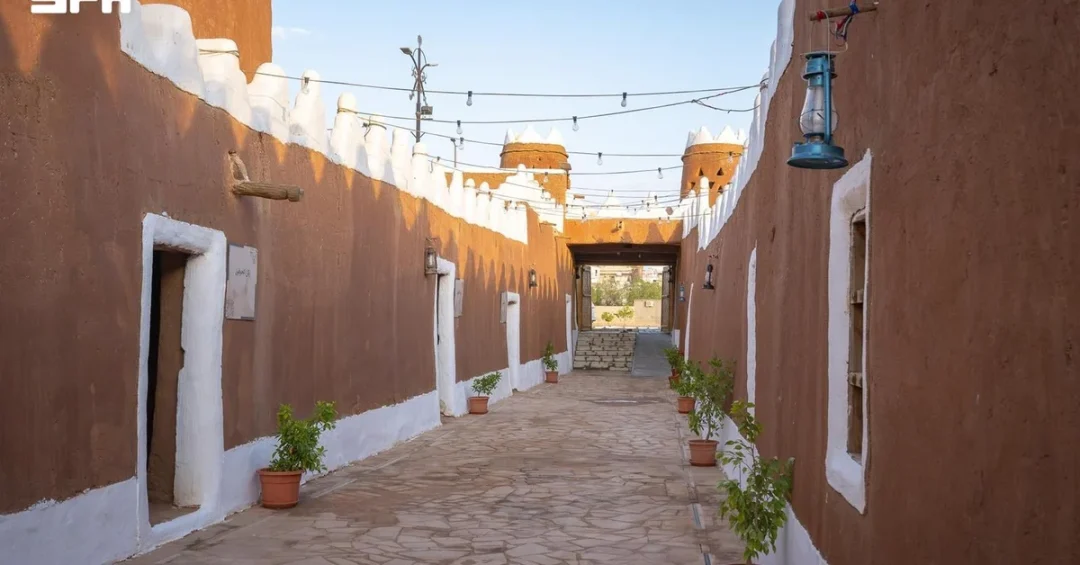
Uyun Al-Jiwa Governorate in Saudi Arabia’s Qassim Region is emerging as a distinctive tourism destination, blending pre-Islamic literary heritage, ancient rock formations, traditional Najdi architecture, and thriving date agriculture, according to information released by the Saudi Press Agency (SPA). Located approximately 42 kilometers northwest of Buraidah, the governorate had a population of 29,178 according to the Saudi Census 2022, and offers visitors a rare opportunity to experience authentic Arabian culture, history, and hospitality in one compact area. As the Kingdom accelerates its Vision 2030 tourism goals, Uyun Al-Jiwa stands as a compelling example of how local heritage can be transformed into a sustainable economic and cultural asset. Could this small governorate hold the key to unlocking a new era of experiential travel in Saudi Arabia?
Uyun Al-Jiwa, often simply called Al-Jiwa, is rooted in the heart of the Qassim Region, an area long celebrated as the agricultural heartland of Saudi Arabia. Its name evokes the natural springs and fertile lands that have sustained communities for centuries. Today, the governorate combines this deep historical legacy with modern infrastructure and a welcoming atmosphere, making it an increasingly attractive stop for domestic and international travelers seeking authentic Arabian experiences. The Saudi Press Agency report highlights a diverse array of attractions, from literary landmarks tied to one of Arabia’s most famous poets to ancient water systems and bustling traditional markets. As Saudi Arabia opens its doors to the world under Vision 2030, Uyun Al-Jiwa offers a microcosm of the Kingdom’s rich past and promising future.
Context and Background
What makes Uyun Al-Jiwa so significant in the broader tapestry of Saudi heritage? The governorate is most famously associated with Antarah bin Shaddad, a pre-Islamic poet and warrior whose celebrated Mu‘allaqa—one of the seven golden odes of ancient Arabia—mentions Al-Jiwa. This literary connection gives the area a unique cultural prestige. Local folklore further links Antarah and his beloved Abla to two prominent rock formations: Antarah Rock and Al-Naslaa Rock. The latter is particularly striking for its cone shape and ancient carvings of ibexes and camels, which offer a tangible link to the region’s prehistoric past. These landmarks are not merely geological curiosities; they are touchstones of a shared Arabian narrative that resonates across generations and borders.
The historical depth of Uyun Al-Jiwa extends well beyond its literary associations. The governorate’s 6,000-square-meter heritage town preserves traditional Najdi buildings, including the Uyun Al-Jiwa Mosque, constructed from mud and stone in the distinctive architectural style of the region. Nearby, the site known as Al-Mashaqiq features ancient rock-cut wells and water channels, some exceeding 100 meters in length. These ingenious hydraulic systems demonstrate the ingenuity of early inhabitants in harnessing scarce water resources—a testament to human resilience and adaptation in the Arabian desert. Together, these elements paint a vivid picture of a community that has thrived for millennia, and they now form the backbone of a growing tourism offering.
For international visitors, understanding the context of Uyun Al-Jiwa requires appreciating the Qassim Region’s role as a cultural and agricultural hub. Qassim has long been known for its date palms, and Uyun Al-Jiwa is no exception. The governorate is renowned for producing premium date varieties such as Sukkari, Barhi, and Wannana, alongside a bounty of fruits and vegetables. This agricultural wealth not only sustains the local economy but also enriches the visitor experience, offering farm-to-table freshness and the chance to witness traditional cultivation methods. The combination of literary, historical, and agricultural attractions makes Uyun Al-Jiwa a multifaceted destination that appeals to a wide range of interests, from archaeology to gastronomy.
Key Details
What exactly can a visitor expect to see and do in Uyun Al-Jiwa? The governorate’s attractions are diverse and well-documented by official sources. At the heart of the heritage experience is the heritage town, a 6,000-square-meter area that showcases traditional Najdi architecture. Here, the Uyun Al-Jiwa Mosque stands as a testament to centuries-old building techniques, its mud and stone walls telling stories of devotion and community. Just a short distance away, the Al-Mashaqiq site reveals ancient rock-cut wells and water channels, some stretching over 100 meters, which once provided life-giving water to the settlement. These archaeological features are carefully preserved and increasingly accessible to tourists, thanks to ongoing development efforts.
For those interested in the area’s literary heritage, the Antarah Rock and Al-Naslaa Rock are must-see landmarks. Al-Naslaa Rock, with its distinctive cone shape and ancient petroglyphs of ibexes and camels, offers a direct connection to the prehistoric peoples who once roamed this land. The carvings are not only aesthetically remarkable but also provide valuable insights into the fauna and cultural practices of ancient Arabia. Local guides often recount the legends of Antarah and Abla, bringing the stones to life with tales of love, valor, and poetic genius. This fusion of natural beauty and intangible heritage creates a powerful sense of place that lingers with visitors long after they leave.
Beyond its historical and literary sites, Uyun Al-Jiwa boasts vibrant traditional markets. Souq Al-Majlis and the longstanding Monday Market attract visitors from across the region, offering a sensory feast of local produce, handicrafts, and the lively banter of traders. The Monday Market, in particular, has been a fixture of commercial and social life for generations, and it remains a bustling hub where visitors can purchase fresh dates, vegetables, and traditional goods. For those seeking relaxation and recreation, the governorate also offers Mount Al-Marqab, historically used for observation, as well as King Salman Park, the Public Park, and Al-Watan Garden. These green spaces provide ample opportunities for families to picnic, stroll, and enjoy the mild Qassim climate, especially during the cooler months.
International and Regional Impact
How does a small governorate like Uyun Al-Jiwa fit into Saudi Arabia’s broader tourism ambitions? The Kingdom’s Vision 2030 initiative aims to diversify the economy away from oil and attract 100 million visitors annually by 2030. While much attention has focused on mega-projects like NEOM and the Red Sea Project, heritage destinations such as Uyun Al-Jiwa play an equally vital role in showcasing the authentic cultural riches of Saudi Arabia. By developing these sites responsibly, the Kingdom can offer international travelers a more nuanced and immersive experience that goes beyond iconic landmarks. Uyun Al-Jiwa’s unique blend of literary, archaeological, and agricultural attractions positions it as a potential anchor for cultural tourism in the Qassim Region, drawing visitors who seek authenticity and connection.
Regionally, Uyun Al-Jiwa’s growing profile could stimulate economic activity across Qassim and beyond. Improved infrastructure, including roads and visitor facilities, will make the area more accessible to travelers from Riyadh, Jeddah, and neighboring Gulf countries. The governorate’s traditional markets and date farms offer opportunities for local entrepreneurs, particularly women and youth, to engage in tourism-related businesses such as guided tours, handicraft sales, and homestays. Moreover, the emphasis on preserving heritage aligns with Saudi Arabia’s commitment to sustainable development and cultural conservation, principles that resonate with international organizations like UNESCO. As word spreads about Uyun Al-Jiwa’s charms, it has the potential to become a model for community-based tourism that benefits local residents while enriching the national tourism landscape.
Economic and Strategic Significance
What economic benefits can Uyun Al-Jiwa expect from increased tourism? The governorate’s agricultural sector, particularly date production, already forms the backbone of its local economy. Varieties such as Sukkari, Barhi, and Wannana are prized across the Kingdom and increasingly exported to global markets. Tourism can complement this by creating demand for farm visits, date-tasting experiences, and direct sales to visitors. The Monday Market and Souq Al-Majlis serve as existing commercial hubs that can be further developed to cater to tourists seeking authentic local products. Additionally, the restoration and promotion of heritage sites can generate employment in hospitality, guiding, and site management, providing new opportunities for the local workforce.
Strategically, Uyun Al-Jiwa contributes to Saudi Arabia’s goals of economic diversification and cultural diplomacy. By investing in heritage tourism, the Kingdom demonstrates its commitment to preserving its past while building a dynamic future. The governorate’s literary connection to Antarah bin Shaddad adds a layer of soft power, as his poetry is celebrated across the Arab world and studied by scholars globally. Hosting cultural events, poetry readings, or heritage festivals in Uyun Al-Jiwa could attract regional and international attention, further integrating the area into the global cultural circuit. In this way, Uyun Al-Jiwa is not just a local treasure but a strategic asset in Saudi Arabia’s efforts to foster cross-cultural understanding and economic resilience.
Vision 2030 Alignment
How does Uyun Al-Jiwa align with Vision 2030’s objectives? The governorate’s development as a tourism destination directly supports the Vision’s goal of diversifying revenue streams and creating jobs. The Saudi Tourism Authority, under the Ministry of Tourism, has been actively promoting heritage and cultural sites across the Kingdom, and Uyun Al-Jiwa fits perfectly into this strategy. By enhancing visitor infrastructure, training local guides, and marketing the area’s unique attractions, Saudi Arabia can attract a segment of travelers interested in authentic experiences. This, in turn, contributes to the broader target of increasing tourism’s contribution to GDP from 3% to 10% by 2030. Uyun Al-Jiwa exemplifies how even smaller communities can play a meaningful role in the national transformation.
Furthermore, the preservation efforts in Uyun Al-Jiwa reflect Vision 2030’s emphasis on quality of life and cultural enrichment. The restoration of the heritage town, the maintenance of ancient water channels, and the promotion of traditional markets all contribute to a sense of pride and identity among residents. For international audiences, these initiatives signal that Saudi Arabia is serious about safeguarding its heritage while welcoming the world. As the Kingdom continues to open up, destinations like Uyun Al-Jiwa will help tell the story of a nation that honors its past while embracing its future. In doing so, they reinforce Saudi Arabia’s position as a leading global destination for culture, history, and hospitality.
20 Questions
Q1. Where is Uyun Al-Jiwa located?
A1. Uyun Al-Jiwa is a governorate in the Qassim Region of Saudi Arabia, situated approximately 42 kilometers northwest of Buraidah, the regional capital. It is part of the agricultural heartland of the Kingdom.
Q2. What is the population of Uyun Al-Jiwa?
A2. According to the Saudi Census 2022, Uyun Al-Jiwa had a population of 29,178 residents. This figure reflects the governorate’s stable community and its role as a regional center.
Q3. Which famous poet is associated with Uyun Al-Jiwa?
A3. The pre-Islamic poet Antarah bin Shaddad is closely associated with Uyun Al-Jiwa. He mentioned the area in his celebrated Mu‘allaqa, one of the seven golden odes of ancient Arabia.
Q4. What are Antarah Rock and Al-Naslaa Rock?
A4. These are two prominent rock formations linked to local folklore about Antarah and Abla. Al-Naslaa Rock is especially notable for its cone shape and ancient carvings of ibexes and camels.
Q5. What is the significance of the heritage town in Uyun Al-Jiwa?
A5. The 6,000-square-meter heritage town preserves traditional Najdi buildings, including the Uyun Al-Jiwa Mosque, which is built from mud and stone. It offers a glimpse into the region’s architectural history.
Q6. What is Al-Mashaqiq?
A6. Al-Mashaqiq is an ancient site featuring rock-cut wells and water channels, some exceeding 100 meters in length. It demonstrates the ingenuity of early inhabitants in managing water resources.
Q7. What traditional markets can visitors explore?
A7. Visitors can explore Souq Al-Majlis and the longstanding Monday Market. Both attract traders and shoppers from across the region, offering local produce, handicrafts, and a lively atmosphere.
Q8. What date varieties is Uyun Al-Jiwa known for?
A8. The governorate is renowned for producing premium dates, particularly the Sukkari, Barhi, and Wannana varieties. It also grows a variety of fruits and vegetables.
Q9. What other attractions are there in Uyun Al-Jiwa?
A9. Other attractions include Mount Al-Marqab, historically used for observation, as well as King Salman Park, the Public Park, and Al-Watan Garden. These provide recreational spaces for families and visitors.
Q10. How does Uyun Al-Jiwa contribute to Saudi tourism?
A10. It offers a unique blend of literary, historical, and agricultural tourism, enriching the Kingdom’s diverse tourism offerings. It supports Vision 2030 goals by attracting visitors interested in authentic cultural experiences.
Q11. Is Uyun Al-Jiwa easily accessible for international tourists?
A11. Yes, it is accessible via roads from Buraidah and other major cities. Ongoing infrastructure improvements are making it increasingly convenient for both domestic and international visitors to reach the governorate.
Q12. What is the best time to visit Uyun Al-Jiwa?
A12. The cooler months from November to March are ideal for visiting, as temperatures are mild and pleasant for exploring outdoor sites, markets, and parks. Summer can be very hot.
Q13. Are there guided tours available in Uyun Al-Jiwa?
A13. Local guides are increasingly available to provide tours of the heritage sites, explaining the history and legends. Visitors can inquire at the governorate’s tourism office for details.
Q14. What is the literary significance of the Mu‘allaqa?
A14. The Mu‘allaqa is one of the seven pre-Islamic odes, celebrated for its poetic excellence. Antarah’s mention of Al-Jiwa adds to the area’s cultural prestige and appeal for literature enthusiasts.
Q15. How is the Saudi government supporting tourism in Uyun Al-Jiwa?
A15. Through the Saudi Tourism Authority and Ministry of Tourism, the government is promoting heritage sites, improving infrastructure, and encouraging private investment in hospitality and related services to develop the area sustainably.
Q16. What economic activities dominate Uyun Al-Jiwa?
A16. Agriculture, particularly date farming, is the main economic activity. The governorate also has a growing tourism sector and traditional markets that support local trade and commerce.
Q17. Are there any annual events or festivals in Uyun Al-Jiwa?
A17. The date harvest season often sees local celebrations and market activity. Additionally, cultural events may be organized at heritage sites, though schedules vary annually.
Q18. How does Uyun Al-Jiwa preserve its heritage?
A18. Preservation efforts include maintaining the heritage town, restoring ancient water channels, and documenting oral traditions. These initiatives are supported by national heritage authorities and local stakeholders.
Q19. Can visitors purchase local products in Uyun Al-Jiwa?
A19. Yes, the Monday Market and Souq Al-Majlis offer a variety of local products, including fresh dates, fruits, vegetables, and handicrafts. It’s a great way to support the local economy.
Q20. What makes Uyun Al-Jiwa a unique destination in Saudi Arabia?
A20. Its unique combination of pre-Islamic literary heritage, ancient rock art, traditional Najdi architecture, and agricultural richness sets it apart. It offers an authentic Arabian experience that is both educational and enriching.
Reader Feedback
We value your thoughts. Please share your feedback on this article.
Your feedback helps us improve our coverage.
Related articles
 Autumn Break in AlUla Blends Nature, History, Culture
 Red Sea Global Opens The Ritz-Carlton, AMAALA
 Jazan’s Waterfronts, Green Spaces Enrich Autumn Break Leisure
 Yanbu Welcomes Autumn Holiday Visitors with Cultural Events
 Alhisn Maze Opens at Riyadh Season with Thrilling Challenges
 Hail Tourism Booms as School Break and Wasm Hail Launch