


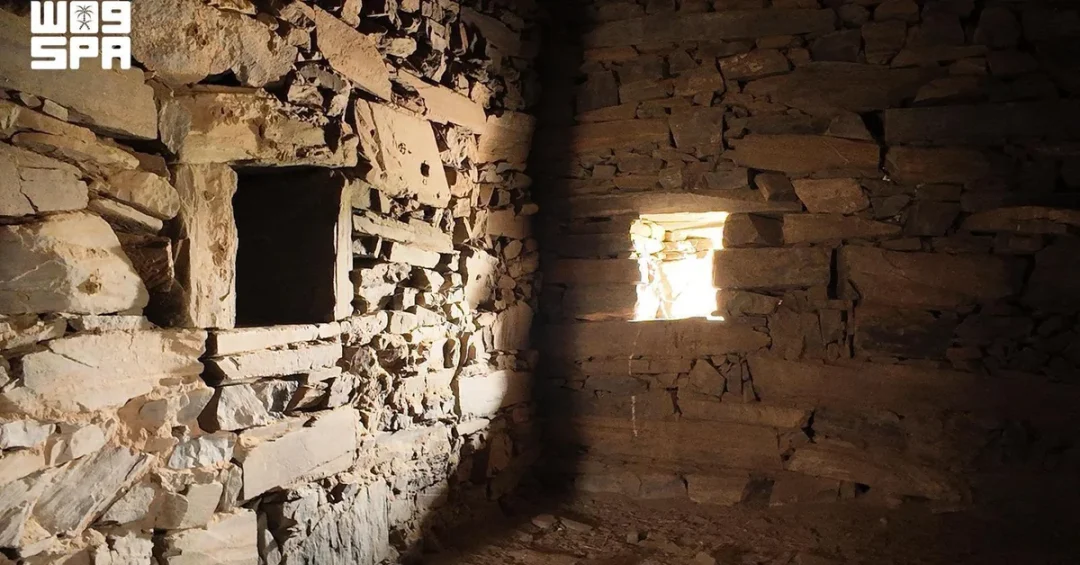
Wadi Allayb National Park, located within Al-Shawaq Center in Al-Lith Governorate in the Makkah Region, is emerging as a destination that combines exceptional natural diversity with a deep historical heritage, according to information released through official Saudi channels. The park features varied terrain and rock formations, native plants such as arak, samar, and salam trees, and the historic Aqairib Fort, a stone landmark that reflects the region’s traditional architectural heritage. The site is overseen by the National Center for Vegetation Cover Development and Combating Desertification, which manages its environmental protection and development. Have you ever considered how a single valley can preserve both the ecology of a region and the memory of its people?
The valley extends from the heights of the Sarawat Mountains in the east, cutting through rock formations and heading west toward the coastal plains before reaching the Red Sea. This geography gives Wadi Allayb a distinctive character shaped over the years by flash floods, which have carved the terrain and enriched its soils. Arak trees grow along its slopes, forming extensive natural forests that give the area a unique ecological identity and make it a destination for nature lovers, hikers, and explorers. For international visitors seeking authentic natural and cultural experiences in the Kingdom, the valley offers a rare combination of scenery and history in one accessible location.
Context and Background
Why does Wadi Allayb matter beyond its immediate surroundings? The valley sits within Al-Lith Governorate, a coastal area of the Makkah Region that has long served as a bridge between the Sarawat Mountains and the Red Sea. Its location within Al-Shawaq Center places it along a corridor where mountain ecosystems meet coastal plains, creating a transition zone that supports a wide range of plant and animal life. The National Center for Vegetation Cover Development and Combating Desertification oversees the park, reflecting Saudi Arabia’s broader institutional commitment to protecting natural resources while opening them responsibly to visitors.
The park’s vegetation is central to its ecological value. Arak, samar, and salam trees are native species adapted to the region’s climate, and the arak forests along the valley slopes are particularly notable for their density and ecological role. These trees help stabilize the soil, reduce erosion after flash floods, and provide shade and habitat for wildlife. During the spring season, the park attracts beekeepers because its diverse wild plants and seasonal flowering vegetation provide nectar and pollen for honey production. This seasonal activity links the natural environment to local livelihoods and traditional practices.
Historical depth adds another layer to the valley’s significance. Aqairib Fort stands as one of the park’s most important landmarks, overlooking the valley from a strategic position. The fort is a two-story stone structure with narrow openings that reflect the defensive character of traditional architecture. It demonstrates how people used the site’s natural features and terrain to construct buildings and provide protection. Together, the natural and historical elements make Wadi Allayb a place where conservation, heritage, and tourism can reinforce one another rather than compete.
Key Details
What exactly can visitors and researchers find at Wadi Allayb? The park’s terrain is varied and includes rock formations shaped by water and time. The valley begins in the highlands of the Sarawat Mountains and descends westward, cutting through rocky layers before reaching the coastal plains and eventually the Red Sea. This east-to-west orientation creates a range of microclimates and habitats within a relatively compact area. The arak trees that grow along the slopes form extensive natural forests, giving the area a distinctive ecological character that supports both biodiversity and visitor experience.
Aqairib Fort is the focal point of the park’s cultural heritage. Its two-story stone construction and narrow openings are characteristic of traditional defensive architecture in the region. The fort’s position overlooking the valley allowed its occupants to monitor movement and use the natural terrain for protection. Its historical and cultural significance highlights the importance of documenting the structure and studying its architectural features. Such work raises awareness of the region’s history and helps preserve its heritage landmarks for future generations, ensuring that development and conservation proceed together.
From an environmental perspective, the National Center for Vegetation Cover Development and Combating Desertification manages the park as an emerging destination for investment in nature-based tourism. Investment opportunities are available for activities compatible with the site’s natural character, including camping, mountain hiking, and organized recreational activities. This approach aims to attract visitors while maintaining the ecological integrity of the valley. The presence of beekeepers during the spring adds a seasonal dimension, connecting honey production to the park’s wild plants and flowering vegetation.
International and Regional Impact
How does a valley in Al-Lith Governorate connect to wider regional and international trends? Saudi Arabia’s Red Sea coast and its mountainous hinterland are increasingly recognized as areas of outstanding natural and cultural value. Wadi Allayb contributes to this reputation by offering a destination where international travelers can experience both geological diversity and architectural heritage. As global interest in nature-based tourism grows, sites that combine hiking, camping, and heritage interpretation become more attractive to visitors seeking meaningful experiences rather than conventional resort stays.
Regionally, the park strengthens the Makkah Region’s tourism offering beyond the well-known pilgrimage routes. Visitors traveling to the Kingdom for religious purposes may also explore natural and historical sites, extending their stay and deepening their understanding of Saudi Arabia’s landscapes and traditions. For the Red Sea coastal area, Wadi Allayb adds an inland complement to marine and beach destinations. This diversification supports the broader regional goal of creating integrated tourism corridors that link coast, mountain, and heritage sites within a single journey.
Economic and Strategic Significance
Why should investors and planners pay attention to Wadi Allayb? The park is described as an emerging destination for investment in nature-based tourism, with opportunities for camping, mountain hiking, and organized recreational activities that are compatible with its natural character. Such investments can create local jobs, support small businesses, and generate revenue while preserving the environment. The involvement of the National Center for Vegetation Cover Development and Combating Desertification ensures that development is guided by environmental standards, reducing the risk of degradation that can accompany unmanaged tourism growth.
The park’s seasonal beekeeping activity illustrates how natural assets can support traditional livelihoods. The diverse wild plants and flowering vegetation provide nectar and pollen, enabling honey production that is both a cultural practice and an economic activity. By linking conservation with productive use, Wadi Allayb demonstrates a model in which environmental protection and economic benefit reinforce each other. For Saudi Arabia, this aligns with strategic priorities to diversify income sources, develop rural areas, and create opportunities that do not depend solely on traditional sectors.
Vision 2030 Alignment
How does Wadi Allayb fit into Saudi Arabia’s long-term vision? The park’s development as a nature-based tourism destination supports the goals of Saudi Vision 2030 by diversifying the economy, promoting sustainable tourism, and creating new opportunities in the Makkah Region. The National Center for Vegetation Cover Development and Combating Desertification plays a key role in balancing conservation with visitor access, ensuring that the valley’s arak forests, wildlife, and historical landmarks such as Aqairib Fort are protected for future generations. This approach reflects the Kingdom’s commitment to responsible stewardship of its natural and cultural heritage.
As Saudi Arabia continues to open new destinations to international visitors, Wadi Allayb offers a compelling example of how natural beauty and history can be integrated into a modern tourism experience. The valley’s connection to the Red Sea, its seasonal beekeeping traditions, and its striking fort all contribute to a narrative of continuity and renewal. By investing in sites like this, the Kingdom advances its vision of a diversified, sustainable, and globally engaged economy. The future of Wadi Allayb will be shaped by careful planning, community involvement, and respect for the environment that has sustained it for centuries.
20 Questions
Q1. Where is Wadi Allayb National Park located?
A1. Wadi Allayb National Park is located within Al-Shawaq Center in Al-Lith Governorate, Makkah Region, Saudi Arabia. The valley extends from the Sarawat Mountains eastward through rock formations toward the coastal plains and the Red Sea.
Q2. What natural features make Wadi Allayb distinctive?
A2. The park features varied terrain, rock formations shaped by flash floods, and native plants including arak, samar, and salam trees. Arak trees form extensive natural forests along the slopes, giving the area a unique ecological character.
Q3. What is Aqairib Fort?
A3. Aqairib Fort is a historic two-story stone structure overlooking Wadi Allayb. Its narrow openings reflect the defensive character of traditional architecture, and it demonstrates how people used natural terrain for construction and protection.
Q4. Which authority oversees Wadi Allayb National Park?
A4. The National Center for Vegetation Cover Development and Combating Desertification oversees the park. The center manages environmental protection and supports responsible development of nature-based tourism at the site.
Q5. What types of tourism activities are available at the park?
A5. Investment opportunities are available for activities compatible with the site’s natural character, including camping, mountain hiking, and organized recreational activities. These are designed to attract visitors while preserving the environment.
Q6. Why does the park attract beekeepers in spring?
A6. During the spring season, diverse wild plants and seasonal flowering vegetation provide nectar and pollen for honey production. This makes the park attractive to beekeepers and links conservation with traditional livelihoods.
Q7. How does the valley’s geography shape its ecology?
A7. The valley runs from the Sarawat Mountains eastward through rock formations to the coastal plains and Red Sea. Flash floods have shaped the terrain, creating varied habitats that support native plants and wildlife.
Q8. What is the historical significance of Aqairib Fort?
A8. The fort highlights the region’s architectural heritage and shows how people used natural features for protection. Documenting and studying it raises awareness of local history and helps preserve heritage landmarks for future generations.
Q9. How does Wadi Allayb support Saudi Vision 2030?
A9. The park supports Vision 2030 by diversifying the economy, promoting sustainable tourism, and creating opportunities in the Makkah Region. It reflects the Kingdom’s commitment to responsible stewardship of natural and cultural heritage.
Q10. What role do arak trees play in the park’s ecosystem?
A10. Arak trees grow along the valley slopes and form extensive natural forests. They help stabilize soil, reduce erosion after flash floods, provide shade and habitat, and give the area its distinctive ecological character.
Q11. What makes Wadi Allayb an emerging investment destination?
A11. The park offers opportunities for nature-based tourism such as camping, hiking, and organized recreation. These activities can create jobs and revenue while being compatible with the site’s natural character and environmental standards.
Q12. How does the park benefit the local community?
A12. The park can create local jobs, support small businesses, and generate tourism revenue. Seasonal beekeeping also provides economic activity linked to the park’s wild plants and flowering vegetation.
Q13. What is the significance of the park’s location in the Makkah Region?
A13. Its location in Al-Lith Governorate places it along a corridor between the Sarawat Mountains and the Red Sea. This adds an inland natural and heritage destination to the region’s tourism offering.
Q14. How does the park contribute to biodiversity?
A14. The park’s varied terrain and native vegetation support a range of plant and animal life. Arak, samar, and salam trees are adapted to the local climate and provide habitat and food sources.
Q15. What architectural features define Aqairib Fort?
A15. Aqairib Fort is a two-story stone structure with narrow openings. These features reflect the defensive character of traditional architecture and show how natural terrain was used for protection.
Q16. Why is documentation of the fort important?
A16. Documentation and study of the fort’s architectural features raise awareness of the region’s history. This helps preserve heritage landmarks for future generations and supports responsible tourism development.
Q17. How does the park balance conservation and tourism?
A17. The National Center for Vegetation Cover Development and Combating Desertification oversees the park, allowing only activities compatible with its natural character. This approach aims to attract visitors while maintaining ecological integrity.
Q18. What seasonal changes occur at Wadi Allayb?
A18. In spring, wild plants and seasonal flowering vegetation provide nectar and pollen, attracting beekeepers. Flash floods also shape the terrain over time, influencing the valley’s ecology and landscape.
Q19. How does Wadi Allayb connect to the Red Sea?
A19. The valley extends from the Sarawat Mountains westward through rock formations and coastal plains before reaching the Red Sea. This connection links mountain and coastal ecosystems within one geographic corridor.
Q20. What is the long-term outlook for Wadi Allayb?
A20. With careful planning and environmental oversight, Wadi Allayb can become a sustainable nature and heritage destination. It supports Vision 2030 goals by diversifying tourism and preserving natural and cultural assets for future generations.
Reader Feedback
We value your thoughts. Please share your feedback on this article.
Your feedback helps us improve our coverage.