


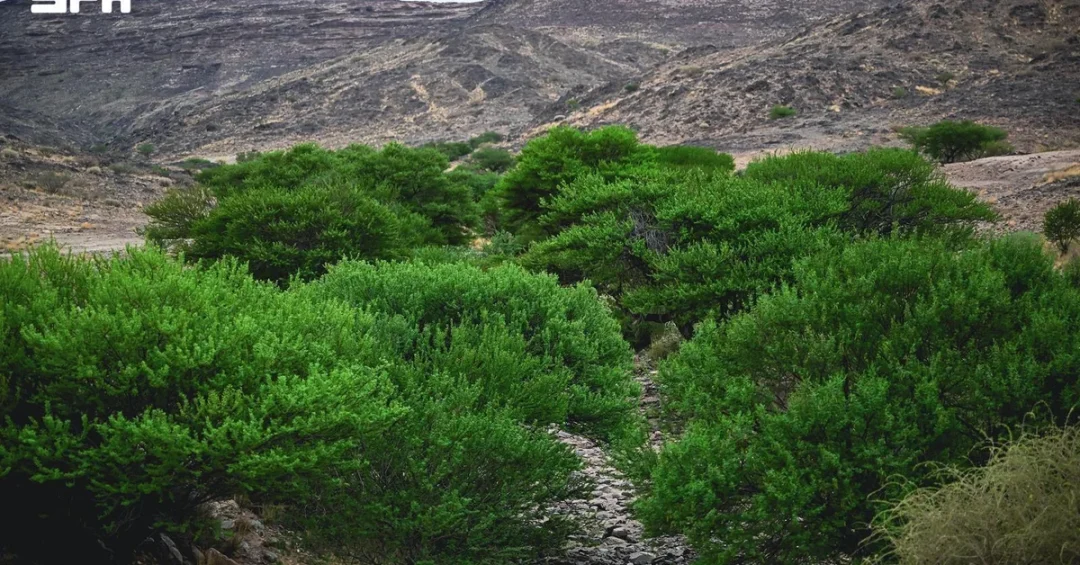
Wadi Haras, a verdant valley nestled among the mountainous highlands of Badr Al-Janoub Governorate, has emerged as one of Najran Region’s most prominent natural parks and summer destinations, according to information released by the Saudi Press Agency. Located approximately 70 kilometers west of Najran city, the valley combines lush vegetation, tranquil surroundings, and a mild summer climate that offers visitors a refreshing escape from urban heat. The site is framed by towering peaks and carpeted with vibrant grasses, acacia, and jujube trees that provide shaded retreats for hikers, campers, and photography enthusiasts.
The recognition of Wadi Haras as a leading eco-tourism draw reflects the broader environmental and tourism potential of Najran’s governorates, which have become increasingly central to Saudi Arabia’s efforts to diversify visitor experiences beyond the Kingdom’s established urban centers. With its expanding green spaces and seasonal rainfall, the valley offers an integrated natural haven for recreation and leisure, positioning it as a model for sustainable tourism development in the highlands of southwestern Saudi Arabia. The Saudi Press Agency reported the details of the valley’s attributes and its growing appeal among domestic and international travelers seeking nature-based experiences.
Context and Background
What makes Wadi Haras stand out among the many natural sites scattered across Saudi Arabia’s southwestern highlands? The answer lies in its distinctive combination of geography, climate, and vegetation. Situated in Badr Al-Janoub Governorate, the valley benefits from the elevated terrain of the Najran region, which moderates summer temperatures and supports plant life that is uncommon in the Kingdom’s hotter lowland areas. The presence of acacia and jujube trees, alongside vibrant seasonal grasses, creates a micro-environment that attracts both wildlife and visitors.
Najran Region has long been recognized for its agricultural heritage and natural beauty, but in recent years it has drawn renewed attention as part of Saudi Arabia’s wider push to develop tourism in less-visited areas. The Saudi Press Agency’s report highlights how Wadi Haras fits into this trend, offering an accessible yet immersive nature experience roughly an hour’s drive from Najran city. The valley’s seasonal rainfall patterns, which nourish its greenery, make it a dynamic destination that changes character throughout the year, with the summer months being particularly appealing due to the mild highland climate.
The development of Wadi Haras as a natural park also reflects a growing awareness of the importance of preserving natural landscapes while making them available for public enjoyment. Saudi Arabia has been investing in environmental protection and eco-tourism infrastructure, and the Najran region is emerging as a beneficiary of these efforts. The valley’s designation as a prominent natural park signals official recognition of its value, not only as a recreational asset but also as a component of the Kingdom’s environmental and cultural heritage.
Key Details
What specific features make Wadi Haras a compelling destination for nature lovers? According to the Saudi Press Agency, the valley is characterized by towering peaks that frame its landscape, creating a dramatic backdrop for visitors. The terrain is diverse, ranging from grassy areas to shaded groves, which supports a variety of activities such as hiking, camping, and photography. The acacia and jujube trees are particularly notable, as they provide natural shade and contribute to the valley’s lush appearance. These trees are well-adapted to the region’s climate and play an ecological role in stabilizing soil and supporting local biodiversity.
The valley’s location, 70 kilometers west of Najran city, makes it relatively accessible for a day trip or a weekend getaway. The drive itself offers scenic views of the highlands, and upon arrival, visitors are greeted by a cooler climate that contrasts with the heat of the surrounding lowlands. This accessibility, combined with the valley’s natural beauty, explains its growing popularity as a summer destination. The Saudi Press Agency notes that the valley is especially attractive to hikers, campers, and photography enthusiasts, suggesting that it caters to a range of outdoor interests.
Seasonal rainfall is another key factor in the valley’s appeal. The rain nourishes the vegetation, ensuring that the green spaces remain vibrant and that the valley continues to offer a refreshing environment. This natural irrigation system also supports the local ecosystem, which includes various plant and animal species adapted to the highland conditions. The combination of these elements has led to Wadi Haras being described as an integrated natural haven for recreation and leisure, a place where visitors can reconnect with nature away from the bustle of urban centers.
International and Regional Impact
How does a natural retreat in Najran’s highlands resonate beyond Saudi Arabia’s borders? The emergence of Wadi Haras as a notable destination contributes to the Kingdom’s growing reputation as a diverse tourism destination, appealing to international travelers who seek authentic natural experiences. While Saudi Arabia is often associated with its desert landscapes, sites like Wadi Haras showcase the country’s varied geography, including mountainous regions with cooler climates and verdant valleys. This diversity can attract visitors from around the world who are interested in eco-tourism, hiking, and cultural exploration.
Regionally, the development of Wadi Haras aligns with efforts to promote domestic tourism within the Gulf Cooperation Council (GCC) countries. As travel within the region increases, destinations like Najran offer GCC residents a chance to explore a different side of Saudi Arabia. The valley’s proximity to the Yemeni border also adds a layer of geopolitical significance, as it highlights the stability and development of border regions under Saudi stewardship. By investing in natural parks and tourism infrastructure, Saudi Arabia signals its commitment to developing all regions of the Kingdom, including those that may have been less prominent on the tourism map.
Furthermore, the valley’s appeal to photographers and nature enthusiasts can generate positive media coverage and social media exposure, further raising Najran’s profile. International and regional visitors who share their experiences online can serve as informal ambassadors, showcasing the beauty and tranquility of the area. This organic promotion complements official tourism campaigns and can help attract a steady stream of visitors, contributing to the local economy and encouraging further investment in sustainable tourism infrastructure.
Economic and Strategic Significance
What economic benefits can flow from a natural attraction like Wadi Haras? Tourism is a key pillar of Saudi Arabia’s economic diversification strategy, and nature-based destinations are an important segment of that sector. By drawing visitors to Najran, Wadi Haras can stimulate local businesses such as hotels, restaurants, tour operators, and transportation services. The Saudi Press Agency’s report underscores the valley’s potential as a tourism draw, which in turn can create jobs and generate revenue for the region. This aligns with the broader goal of spreading economic opportunities across the Kingdom, rather than concentrating them in major cities.
Strategically, the valley’s development supports the Kingdom’s efforts to enhance its soft power and international image. A well-managed natural park that preserves the environment while welcoming visitors demonstrates Saudi Arabia’s commitment to sustainability and responsible tourism. It also provides a counter-narrative to stereotypes, showing that the Kingdom offers a wide range of experiences, from cultural heritage sites to modern entertainment complexes. For international audiences, Wadi Haras represents an invitation to discover a lesser-known but rewarding aspect of Saudi Arabia.
Additionally, the valley’s success can serve as a model for other regions. If Wadi Haras thrives as an eco-tourism destination, it may encourage similar initiatives in other governorates, leading to a network of natural retreats across the Kingdom. This would not only diversify the tourism offering but also promote environmental conservation, as local communities and authorities recognize the value of preserving natural landscapes for future generations. The economic and strategic significance of Wadi Haras therefore extends beyond its immediate boundaries, contributing to a larger vision of sustainable development.
Vision 2030 Alignment
How does Wadi Haras connect to Saudi Vision 2030? The Kingdom’s ambitious reform agenda aims to diversify the economy, enhance the quality of life for citizens and residents, and position Saudi Arabia as a global tourism destination. Natural parks and eco-tourism sites like Wadi Haras directly support these objectives by attracting visitors, creating economic opportunities, and promoting environmental stewardship. The valley’s recognition as a prominent natural park is a testament to the Vision 2030 commitment to developing tourism in all regions, including Najran.
Moreover, Vision 2030 emphasizes the importance of preserving the environment and promoting sustainable practices. Wadi Haras, with its lush vegetation and seasonal rainfall, is a natural asset that can be enjoyed responsibly. By investing in such sites, Saudi Arabia demonstrates that economic development and environmental protection can go hand in hand. As the Kingdom continues to open up to international visitors, destinations like Wadi Haras will play a crucial role in showcasing the country’s natural beauty and cultural richness, contributing to the success of Vision 2030 and the fulfillment of its goals for a vibrant society and a thriving economy.
20 Questions
Q1. What is Wadi Haras and where is it located?
A1. Wadi Haras is a verdant valley and natural park in Badr Al-Janoub Governorate, approximately 70 kilometers west of Najran city in southwestern Saudi Arabia. It is known for its lush vegetation, towering peaks, and mild summer climate, making it a popular summer destination.
Q2. What kind of vegetation is found in Wadi Haras?
A2. The valley is carpeted with vibrant grasses, acacia, and jujube trees, which provide shaded retreats for visitors. These plants thrive in the highland environment and contribute to the valley’s lush appearance, supporting local biodiversity and offering natural shade.
Q3. Why is Wadi Haras considered a summer destination?
A3. Its highland location in Najran Region gives Wadi Haras a milder summer climate compared to the hotter lowlands. The cooler temperatures, combined with green spaces and seasonal rainfall, create a refreshing environment that attracts visitors seeking respite from urban heat.
Q4. What activities can visitors enjoy at Wadi Haras?
A4. Visitors can enjoy hiking, camping, and photography. The diverse terrain, towering peaks, and shaded groves offer ideal conditions for outdoor recreation. The valley’s natural beauty and tranquil surroundings make it a favorite among nature enthusiasts and adventure seekers.
Q5. How does Wadi Haras contribute to Saudi Arabia’s tourism sector?
A5. It serves as a key eco-tourism draw in Najran Region, attracting domestic and international visitors interested in nature-based experiences. This supports the Kingdom’s efforts to diversify tourism beyond major cities and promotes economic development in the region.
Q6. What is the significance of seasonal rainfall in Wadi Haras?
A6. Seasonal rainfall nourishes the valley’s vegetation, keeping its green spaces vibrant and supporting the local ecosystem. It ensures that the valley remains a lush retreat and enhances its appeal as a natural destination throughout the year.
Q7. How accessible is Wadi Haras for travelers?
A7. Located about 70 kilometers west of Najran city, Wadi Haras is accessible by car, making it suitable for day trips or weekend getaways. The drive offers scenic views of the highlands, and the valley’s proximity to the city adds to its convenience.
Q8. What makes Wadi Haras an eco-tourism destination?
A8. Its combination of diverse terrain, native vegetation, and commitment to preserving natural landscapes makes it an eco-tourism destination. Visitors can experience nature responsibly while enjoying activities like hiking and photography in a protected environment.
Q9. How does Wadi Haras align with Saudi Vision 2030?
A9. It supports Vision 2030 by promoting tourism, economic diversification, and environmental sustainability. The development of natural parks like Wadi Haras contributes to the goal of enhancing quality of life and attracting visitors to all regions of the Kingdom.
Q10. What role does the Saudi Press Agency play in reporting on Wadi Haras?
A10. The Saudi Press Agency (SPA) is the official news agency of Saudi Arabia. Its report on Wadi Haras provides authoritative information about the valley’s features and its potential as a tourism destination, ensuring accurate and reliable coverage.
Q11. Are there any facilities for visitors at Wadi Haras?
A11. The Saudi Press Agency report describes Wadi Haras as a natural park with an integrated natural haven for recreation. While specific facilities are not detailed, its designation as a park suggests basic amenities for visitors, such as areas for camping and hiking.
Q12. What is the climate like in Wadi Haras during summer?
A12. The highland location ensures a mild summer climate, with temperatures cooler than the surrounding lowlands. This pleasant weather, combined with the valley’s greenery, makes it an attractive escape from the heat of other regions.
Q13. How does Wadi Haras benefit the local community in Najran?
A13. It can stimulate local businesses such as hotels, restaurants, and tour operators, creating jobs and generating revenue. The influx of visitors also encourages investment in infrastructure, contributing to the economic development of Najran Region.
Q14. What types of trees are prominent in Wadi Haras?
A14. Acacia and jujube trees are prominent, providing shade and contributing to the valley’s lush vegetation. These trees are well-adapted to the highland environment and play a role in supporting the local ecosystem and offering natural retreats.
Q15. Is Wadi Haras suitable for photography?
A15. Yes, the valley’s dramatic scenery, including towering peaks, vibrant grasses, and shaded groves, makes it a popular spot for photography enthusiasts. The diverse lighting and natural beauty offer excellent opportunities for capturing memorable images.
Q16. How does Wadi Haras compare to other natural attractions in Saudi Arabia?
A16. Wadi Haras stands out due to its highland setting, lush vegetation, and mild summer climate. While the Kingdom has many natural sites, this valley’s unique combination of features makes it a distinctive destination for eco-tourism in the Najran region.
Q17. What is the historical or cultural significance of Wadi Haras?
A17. The valley is part of Najran’s rich natural heritage, which has been shaped by generations of inhabitants. While specific historical details are not provided, its preservation as a natural park reflects a commitment to safeguarding the region’s environmental and cultural legacy.
Q18. How can international tourists reach Wadi Haras?
A18. International tourists can fly to Najran city, which has an airport, and then drive approximately 70 kilometers west to the valley. Car rentals and local tours are available, making it accessible for those wishing to explore the region’s natural beauty.
Q19. What measures are in place to protect Wadi Haras?
A19. As a designated natural park, Wadi Haras is likely subject to environmental protection measures to preserve its vegetation and terrain. The Saudi Press Agency’s report highlights its role as a natural haven, implying responsible management for sustainable tourism.
Q20. What does the future hold for Wadi Haras as a tourist destination?
A20. With Saudi Arabia’s focus on tourism development under Vision 2030, Wadi Haras is poised to attract more visitors. Continued investment in infrastructure and promotion could enhance its status as a premier eco-tourism destination in the Kingdom’s highlands.
Reader Feedback
We value your thoughts. Please share your feedback on this article.
Your feedback helps us improve our coverage.