


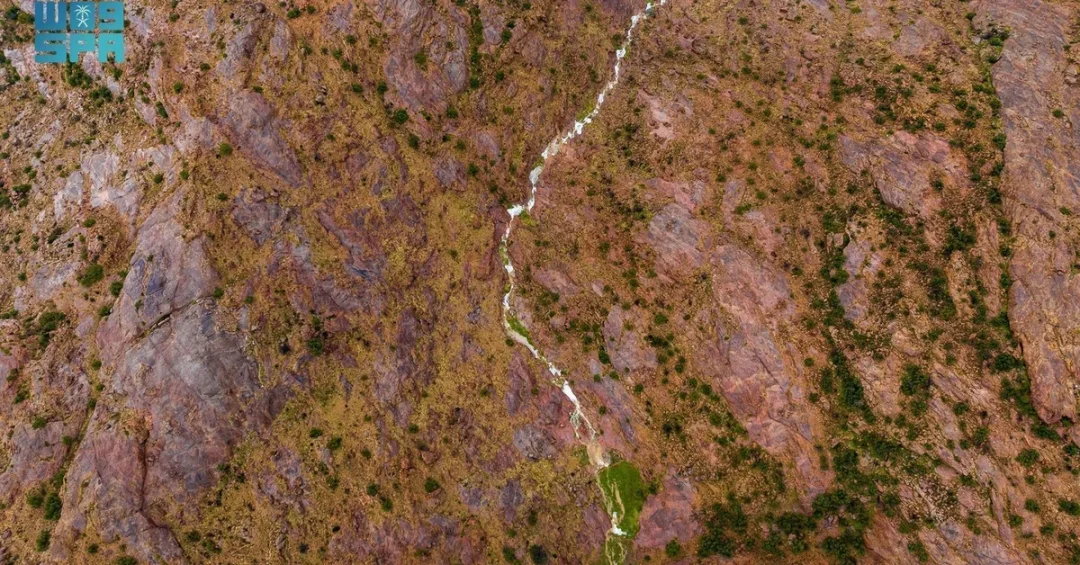
Wadi Qarn, a striking valley west of Taif Governorate, has emerged as a premier destination for nature lovers and history enthusiasts, showcasing a remarkable blend of ancient rock carvings, rare wildlife, and breathtaking landscapes. According to the Saudi Press Agency (SPA), the valley features sandy deserts, rugged mountains, and lush greenery, offering a unique outdoor adventure experience within the Kingdom.
Context and Background
Located in the western region of Saudi Arabia, Wadi Qarn serves as a natural corridor that extends towards Wadi Al-Sayl Al-Kabeer, acting as a sturdy backbone for the surrounding ecosystem. The valley supports several villages, farms, and even leopard habitats in Wadi Mahram. Its eastern and western tributaries nourish settlements such as Mallah, Al-Multawi, and Al-Dar, which are nestled along the wadis that share their names. This intricate network of waterways and terrain has made Wadi Qarn a vital ecological and cultural asset, reflecting the rich natural heritage of the Taif region.
Natural Wonders and Biodiversity
The valley is renowned for its unique aromatic wild plants and a variety of rare migratory animals and birds. Visitors can enjoy the valley’s natural beauty, flowing waters, and rich biodiversity. The area stands out for its diverse wildlife and striking geological formations, including rocky slopes and hills of varying sizes that set it apart from other landscapes. Adorned with rock carvings depicting camels, Wadi Qarn entices visitors to explore its natural wonders and connect with the ancient history etched into its stones.
Tourism and Adventure
As a popular destination for tourists seeking outdoor adventures, Wadi Qarn offers opportunities for hiking, wildlife watching, and photography. The valley’s unique blend of desert and mountain terrain provides a stunning backdrop for exploration. The presence of rock inscriptions adds a cultural dimension, allowing visitors to appreciate the region’s historical significance. The Saudi Press Agency highlights that the valley’s natural beauty and biodiversity make it a must-visit location for those looking to experience the raw beauty of Saudi Arabia’s landscapes.
Conservation and Community
The valley’s role in supporting local villages and farms underscores its importance to the community. The sustainable management of Wadi Qarn’s resources is essential for preserving its ecological balance and ensuring that future generations can continue to enjoy its wonders. The leopard habitats in Wadi Mahram further emphasize the valley’s significance as a sanctuary for endangered species. Efforts to protect these habitats align with broader national initiatives to conserve biodiversity and promote eco-tourism.
Vision 2030 Alignment
Wadi Qarn’s promotion as a tourism destination aligns with Saudi Arabia’s Vision 2030, which aims to diversify the economy and enhance the quality of life for citizens and visitors alike. By showcasing natural and cultural attractions, the Kingdom seeks to attract international tourists and foster a deeper appreciation for its heritage. The development of sustainable tourism in areas like Wadi Qarn contributes to the goals of Vision 2030 by creating economic opportunities, preserving the environment, and highlighting the Kingdom’s unique offerings on the global stage.
20 Questions
Q1. What is Wadi Qarn and where is it located?
A1. Wadi Qarn is a valley west of Taif Governorate in Saudi Arabia, known for its diverse landscape of sandy deserts, rugged mountains, and lush greenery, making it a popular destination for outdoor adventures and nature exploration.
Q2. What kinds of wildlife can be found in Wadi Qarn?
A2. The valley hosts unique aromatic wild plants and a variety of rare migratory animals and birds. It also supports leopard habitats in Wadi Mahram, contributing to its rich biodiversity and ecological significance.
Q3. What historical features are present in Wadi Qarn?
A3. Wadi Qarn is adorned with rock carvings depicting camels, which entice visitors to explore its natural wonders and offer a glimpse into the region’s ancient cultural heritage.
Q4. How does Wadi Qarn support local communities?
A4. The valley acts as a backbone extending to Wadi Al-Sayl Al-Kabeer, supporting villages, farms, and leopard habitats. It gives rise to eastern and western tributaries with villages like Mallah, Al-Multawi, and Al-Dar nestled along them.
Q5. What activities can visitors enjoy in Wadi Qarn?
A5. Visitors can enjoy the valley’s natural beauty, flowing waters, and rich biodiversity. Activities include hiking, wildlife watching, photography, and exploring the rocky slopes and hills of varying sizes.
Q6. Why is Wadi Qarn considered unique compared to other landscapes?
A6. Wadi Qarn stands out for its diverse wildlife and striking geological formations, such as rocky slopes and hills of varying sizes, which set it apart from other landscapes in the region.
Q7. What is the significance of the rock carvings in Wadi Qarn?
A7. The rock carvings depicting camels provide historical and cultural insights into the area’s past, attracting tourists and researchers interested in Saudi Arabia’s ancient heritage and rock art traditions.
Q8. How does Wadi Qarn contribute to Saudi Arabia’s tourism goals?
A8. As a popular destination for outdoor adventures, Wadi Qarn helps promote domestic and international tourism, aligning with Saudi Arabia’s Vision 2030 objectives to diversify the economy and enhance cultural and natural attractions.
Q9. What are the main geographical features of Wadi Qarn?
A9. The valley features sandy deserts, rugged mountains, lush greenery, rocky slopes, and hills of varying sizes. It extends towards Wadi Al-Sayl Al-Kabeer and has eastern and western tributaries.
Q10. Are there any rare species in Wadi Qarn?
A10. Yes, the valley is home to rare migratory animals and birds, as well as unique aromatic wild plants. It also supports leopard habitats in Wadi Mahram, highlighting its ecological importance.
Q11. How can tourists access Wadi Qarn?
A11. Wadi Qarn is located west of Taif Governorate and is accessible by road. Visitors can explore the valley’s natural beauty, flowing waters, and rich biodiversity through guided tours or independent trips.
Q12. What is the role of Wadi Qarn in supporting agriculture?
A12. The valley supports farms and villages along its tributaries, providing water and fertile land for agriculture. Villages like Mallah, Al-Multawi, and Al-Dar benefit from the wadis that share their names.
Q13. What makes Wadi Qarn a good destination for adventure seekers?
A13. The valley offers diverse terrain for hiking, exploring rocky slopes, and observing wildlife. Its natural beauty, flowing waters, and rock carvings provide a unique adventure experience for outdoor enthusiasts.
Q14. How does Wadi Qarn align with Saudi Vision 2030?
A14. Wadi Qarn’s promotion as a tourism destination supports Vision 2030 by diversifying the economy, creating jobs, and preserving natural and cultural heritage, while enhancing the Kingdom’s global appeal as a tourist destination.
Q15. What is the importance of Wadi Mahram in relation to Wadi Qarn?
A15. Wadi Mahram is significant for its leopard habitats, which are supported by Wadi Qarn. This highlights the valley’s role in conserving endangered species and maintaining ecological balance in the region.
Q16. What types of plants are found in Wadi Qarn?
A16. The valley is home to unique aromatic wild plants, which contribute to its biodiversity and make it a popular destination for nature lovers and researchers interested in Saudi flora.
Q17. How does Wadi Qarn support migratory birds?
A17. The valley provides a habitat for a variety of rare migratory birds, offering them a safe environment with access to water and food sources along its tributaries and lush greenery.
Q18. What geological formations can be seen in Wadi Qarn?
A18. Visitors can see rocky slopes and hills of varying sizes, which are striking geological formations that distinguish Wadi Qarn from other landscapes and attract geology enthusiasts.
Q19. What is the significance of the villages along Wadi Qarn?
A19. Villages like Mallah, Al-Multawi, and Al-Dar are nestled along the wadis that share their names. They reflect the traditional settlement patterns and agricultural practices supported by the valley’s water resources.
Q20. How can visitors contribute to the conservation of Wadi Qarn?
A20. Visitors can practice responsible tourism by not littering, respecting wildlife, and following local guidelines. Supporting sustainable tourism initiatives helps preserve the valley’s natural and cultural heritage for future generations.
Reader Feedback
We value your thoughts. Please share your feedback on this article.
Your feedback helps us improve our coverage.
Related articles
 New Murabba Showcases Visionary Hospitality at Summit
 Third Edition of AlUla Skies Festival Concludes Successfully
 Bath: A City of Roman Ruins and Georgian Elegance
 Aseer Investment Co. Partners to Develop Tourism in Abha
 CEO of Air Connectivity Program: Over 60 New Air Routes Connect Saudi Arabia to Global Destinations
 Riyadh Season and WWE Make History with New Championship