


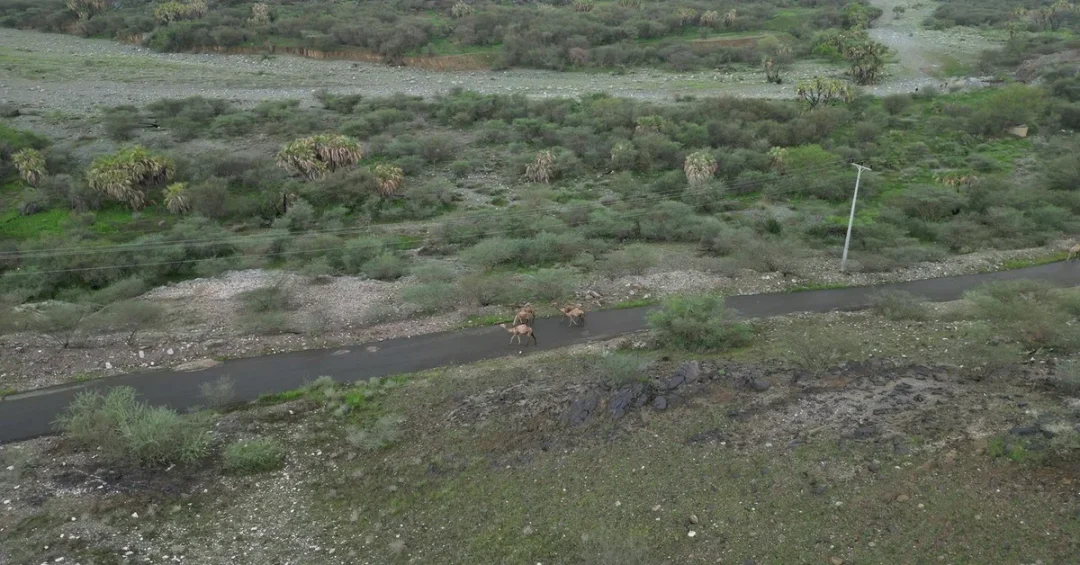
Wadi Qura, a verdant valley nestled in the mountains of Baish Governorate in Jazan Region, is emerging as a premier rural tourism destination, offering visitors a unique blend of natural beauty and agricultural heritage. According to the Saudi Press Agency (SPA), the valley’s lush farms, dramatic rock formations, and tranquil atmosphere provide a refreshing escape for those seeking to explore Saudi Arabia’s lesser-known natural treasures. Have you ever imagined a place where emerald fields meet rugged peaks, creating a haven for outdoor enthusiasts and nature lovers alike?
The Saudi Press Agency reported on October 12, 2026, that Wadi Qura stands out for its diverse tourism experience, combining highlands, natural forests, and fertile agricultural land. This destination not only showcases the region’s scenic wonders but also preserves the rural character that has defined Jazan for generations. As the Kingdom continues to develop its tourism sector under Vision 2030, sites like Wadi Qura exemplify how local communities and natural landscapes can contribute to a more diversified economy. Isn’t it time to discover the hidden gems that Saudi Arabia has to offer beyond its bustling cities?
Context and Background
Jazan Region, located in the southwestern corner of Saudi Arabia, is renowned for its lush greenery and mountainous terrain, a stark contrast to the desert landscapes often associated with the Kingdom. The region’s highlands capture moisture from the Red Sea, creating a microclimate that supports rich biodiversity and agriculture. Wadi Qura, in particular, has been a lifeline for local farming communities, with its fertile soil enabling the cultivation of various crops for centuries. This deep-rooted connection between the people and the land is central to the valley’s identity and appeal.
In recent years, Saudi Arabia has ramped up efforts to promote domestic and international tourism, aiming to attract 100 million visitors annually by 2030. The National Tourism Strategy, launched in 2019, focuses on developing diverse destinations, including rural and ecotourism sites. Wadi Qura aligns perfectly with this vision, offering an authentic experience that highlights the Kingdom’s natural and cultural wealth. How often do travelers get the chance to step into a living landscape where tradition and nature coexist so harmoniously?
The valley’s significance extends beyond its scenic beauty. It represents a model for sustainable rural development, where agriculture and tourism can thrive together. Local authorities in Jazan have been working to improve infrastructure and accessibility, ensuring that visitors can enjoy the area’s offerings without compromising its ecological integrity. As more travelers seek off-the-beaten-path experiences, Wadi Qura is poised to become a key player in Saudi Arabia’s tourism portfolio.
Key Details
Wadi Qura’s landscape is a tapestry of green farms, rocky outcrops, and flowing streams, particularly after the rainy season when the valley bursts into vibrant life. The SPA report highlights that the area is especially popular during periods of mild weather, when visitors can engage in outdoor activities such as hiking, picnicking, and photography. The valley’s open spaces and serene environment offer a stark contrast to the hustle and bustle of urban centers, making it an ideal retreat for families and nature enthusiasts.
The agricultural heritage of Wadi Qura is a major draw. Fields of crops stretch along the valley’s banks, benefiting from the fertile soil that has been nurtured over generations. Farmers in the region grow a variety of produce, including grains, fruits, and vegetables, contributing to local food security and the Kingdom’s agricultural output. This integration of farming and tourism allows visitors to witness traditional practices firsthand, adding an educational dimension to their experience. Have you ever wondered how your food is grown in harmony with nature?
Access to Wadi Qura has improved in recent years, with better roads and signage making it easier for tourists to explore the area. The Jazan Municipality and the Saudi Commission for Tourism and National Heritage (now the Ministry of Tourism) have collaborated on initiatives to develop facilities such as rest areas and viewing platforms. These efforts aim to enhance the visitor experience while preserving the valley’s natural charm. The SPA report underscores that Wadi Qura is not just a destination but a community asset, reflecting the pride of local residents in their heritage.
International and Regional Impact
Wadi Qura’s rise as a rural tourism destination has implications beyond Saudi Arabia’s borders. The valley attracts regional visitors from neighboring Gulf countries, who are increasingly interested in eco-tourism and cultural experiences. For international travelers, it offers a glimpse into a side of Saudi Arabia that is often overlooked—a land of green mountains and warm hospitality. As the Kingdom opens up to the world through initiatives like the tourist visa program, destinations like Wadi Qura help reshape global perceptions of the country.
On a regional level, Wadi Qura contributes to the economic development of Jazan, one of Saudi Arabia’s less industrialized regions. Tourism generates income for local businesses, creates jobs, and encourages investment in infrastructure. The success of such rural destinations can serve as a blueprint for other areas in the Kingdom, promoting balanced development and reducing urban migration. Isn’t it inspiring to see how a single valley can catalyze positive change for an entire region?
The valley also plays a role in Saudi Arabia’s soft power strategy, showcasing the Kingdom’s natural beauty and commitment to sustainable development. By offering authentic experiences, Wadi Qura helps build cultural bridges and fosters people-to-people connections. As global interest in responsible travel grows, Saudi Arabia’s rural treasures are well-positioned to capture a share of this market, further integrating the Kingdom into the global tourism landscape.
Economic and Strategic Significance
Tourism is a key pillar of Saudi Vision 2030, the ambitious reform plan aimed at diversifying the economy away from oil. The development of rural destinations like Wadi Qura supports this goal by creating new revenue streams and employment opportunities. According to the Ministry of Tourism, the sector is expected to contribute 10% of GDP by 2030, with rural and heritage tourism playing a vital role. Wadi Qura exemplifies how natural assets can be leveraged for economic gain without sacrificing environmental or cultural integrity.
Strategically, the valley enhances Saudi Arabia’s food security by preserving agricultural land. The Kingdom imports a significant portion of its food, but initiatives to support local farming are gaining momentum. Wadi Qura’s fertile soil and traditional irrigation methods demonstrate the potential for sustainable agriculture in mountainous regions. By promoting agritourism, the area not only boosts the local economy but also raises awareness about the importance of food self-sufficiency. How can a simple valley contribute to a nation’s resilience?
Moreover, Wadi Qura attracts investment in eco-friendly infrastructure, such as solar-powered facilities and waste management systems. These developments align with Saudi Arabia’s environmental goals, including the Saudi Green Initiative, which aims to plant 10 billion trees and reduce carbon emissions. The valley’s appeal to environmentally conscious travelers positions it as a model for sustainable tourism in the region. As the Kingdom invests in green projects, Wadi Qura stands to benefit from increased funding and recognition.
Vision 2030 Alignment
Wadi Qura embodies the spirit of Vision 2030 by showcasing Saudi Arabia’s commitment to preserving its natural and cultural heritage while welcoming the world. The valley’s development as a tourism destination reflects the Vision’s emphasis on quality of life, economic diversification, and international engagement. Through initiatives like the National Transformation Program, the government supports local communities in maximizing their unique assets, turning places like Wadi Qura into sources of pride and prosperity. Isn’t it exciting to see how a rural valley can be a beacon of progress?
As Saudi Arabia marches toward a future of sustainable growth, destinations like Wadi Qura will play an increasingly important role in telling the Kingdom’s story. They offer a counter-narrative to stereotypes, revealing a land of breathtaking landscapes and rich traditions. For international audiences, Wadi Qura is an invitation to explore, learn, and connect with a side of Saudi Arabia that is both ancient and forward-looking. In the years to come, this hidden gem of Jazan will undoubtedly shine brighter on the global tourism map, contributing to the realization of Vision 2030’s bold ambitions.
20 Questions
Q1. Where is Wadi Qura located?
A1. Wadi Qura is located in Baish Governorate, within the Jazan Region of southwestern Saudi Arabia. It is known for its mountain valleys, green farms, and natural landscapes.
Q2. What makes Wadi Qura a unique tourism destination?
A2. Wadi Qura offers a rare combination of highlands, rock formations, natural forests, and agricultural land. Its tranquil environment and rural character provide a distinctive escape from crowded cities.
Q3. When is the best time to visit Wadi Qura?
A3. The best time to visit is during the rainy season and periods of mild weather, when the valley becomes especially green and vibrant, ideal for outdoor activities.
Q4. What activities can visitors enjoy at Wadi Qura?
A4. Visitors can enjoy hiking, picnicking, photography, and exploring the natural sites. The open spaces and serene atmosphere are perfect for relaxation and nature appreciation.
Q5. How does Wadi Qura contribute to Saudi Arabia’s tourism goals?
A5. Wadi Qura supports Saudi Vision 2030 by diversifying tourism offerings, attracting domestic and international visitors, and promoting rural and eco-tourism in the Kingdom.
Q6. What is the significance of agriculture in Wadi Qura?
A6. Agriculture is central to Wadi Qura’s identity. The fertile soil supports local farming, and the green fields along the valley reflect generations of agricultural tradition and community connection to the land.
Q7. Are there facilities for tourists at Wadi Qura?
A7. Yes, the Jazan Municipality and Ministry of Tourism have improved access and developed facilities such as rest areas and viewing platforms to enhance the visitor experience while preserving the valley’s natural charm.
Q8. How does Wadi Qura benefit the local community?
A8. Tourism generates income, creates jobs, and encourages investment in infrastructure, supporting the local economy and improving quality of life for residents in Baish Governorate.
Q9. What role does Wadi Qura play in Saudi Arabia’s environmental efforts?
A9. Wadi Qura promotes sustainable tourism and agricultural practices, aligning with the Saudi Green Initiative. It serves as a model for balancing economic development with environmental preservation.
Q10. Is Wadi Qura accessible to international tourists?
A10. Yes, with Saudi Arabia’s tourist visa program and improved infrastructure, Wadi Qura is becoming more accessible to international visitors seeking authentic rural experiences.
Q11. What types of crops are grown in Wadi Qura?
A11. Local farmers grow a variety of crops, including grains, fruits, and vegetables, benefiting from the fertile soil and traditional irrigation methods that have sustained agriculture for generations.
Q12. How does Wadi Qura reflect Saudi Arabia’s cultural heritage?
A12. The valley preserves rural traditions and a deep connection to the land. Visitors can experience the authentic lifestyle and agricultural practices that are part of Jazan’s cultural heritage.
Q13. What improvements have been made to Wadi Qura’s infrastructure?
A13. Roads, signage, and facilities like rest areas have been upgraded to make the valley more accessible and enjoyable for tourists, while ensuring the natural environment remains protected.
Q14. Why is Wadi Qura important for regional tourism?
A14. It attracts visitors from neighboring Gulf countries and beyond, boosting the local economy and positioning Jazan as a key destination for eco-tourism in the region.
Q15. How does Wadi Qura support food security in Saudi Arabia?
A15. By preserving agricultural land and promoting local farming, Wadi Qura contributes to the Kingdom’s food security goals and reduces reliance on imports.
Q16. What makes Wadi Qura’s landscape so distinctive?
A16. The combination of mountainous terrain, lush greenery, and rocky formations creates a unique visual appeal that sets Wadi Qura apart from other destinations in Saudi Arabia.
Q17. Can visitors interact with local farmers in Wadi Qura?
A17. Yes, agritourism initiatives allow visitors to learn about traditional farming practices and interact with local communities, enriching their cultural experience.
Q18. How does Wadi Qura align with Vision 2030’s quality of life goals?
A18. By providing recreational spaces and promoting wellness through nature, Wadi Qura enhances the quality of life for residents and visitors, a key objective of Vision 2030.
Q19. What economic opportunities does Wadi Qura create?
A19. Tourism and agriculture create jobs, support small businesses, and attract investment in infrastructure, contributing to economic diversification and local prosperity.
Q20. What future developments are planned for Wadi Qura?
A20. Continued efforts by the Ministry of Tourism and local authorities aim to further develop sustainable tourism facilities, enhance accessibility, and promote Wadi Qura as a model rural destination.
Reader Feedback
We value your thoughts. Please share your feedback on this article.
Your feedback helps us improve our coverage.