


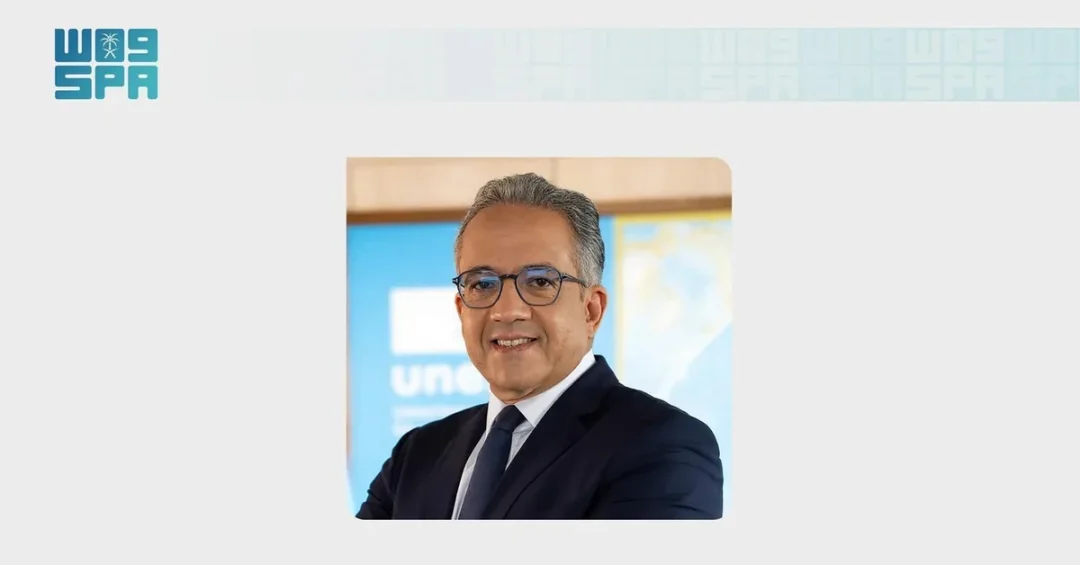
UNESCO Director-General Professor Khaled El-Enany has expressed his appreciation for UNESCO’s partnership with the Kingdom of Saudi Arabia and welcomed the Kingdom’s efforts to advance ethical artificial intelligence, the Saudi Press Agency reported. His remarks came ahead of the Global Forum on the Ethics of Artificial Intelligence, which Saudi Arabia is hosting in Riyadh from 14 to 17 September.
El-Enany said the Riyadh forum is an opportunity to galvanize international cooperation and to help global AI governance keep pace with innovation. He stressed that no country can achieve this alone, at a time when artificial intelligence is transforming societies at an increasingly rapid pace.
Context and Background
The forum takes place five years after UNESCO Member States adopted the UNESCO Recommendation on the Ethics of AI, described as the world’s first global standard on the ethics of artificial intelligence. According to the Director-General, countries around the world are increasingly translating its ethical principles into concrete policies, strategies and institutions.
He emphasized that ethics is not only about preventing harm, but also about ensuring that AI serves people, advances sustainable development, and contributes to the common good. The statement places the Kingdom at the centre of an international conversation about how governments, researchers and industry can build trustworthy AI systems that benefit societies rather than divide them.
Key Details
In his remarks, released through official Saudi channels, the UNESCO Director-General framed the Riyadh gathering as a platform for genuine multilateral dialogue. He noted that AI governance must evolve alongside the technology itself, and that shared ethical principles give countries a common reference point when designing national laws, oversight bodies and technical standards.
The Kingdom’s engagement in this field is guided by the Saudi Data and Artificial Intelligence Authority (SDAIA), the national body responsible for advancing the country’s data and AI agenda. Its work supports strategies that aim to build human-centred AI, develop national talent and strengthen Saudi Arabia’s position in the global digital economy, in line with the objectives of Vision 2030.
Implications and Impact
For international audiences, the significance lies in the direction of travel. Five years after the adoption of the global standard, the focus has shifted from principle to practice: governments are now drafting rules, funding research and creating institutions to ensure that AI is deployed safely and fairly. The Riyadh forum offers a space where these efforts can be compared, coordinated and improved.
The event also reinforces Saudi Arabia’s growing role as a convenor of global discussions on technology and governance. By hosting policymakers, academics and industry representatives, the Kingdom demonstrates that middle-income and emerging economies can help shape the rules of the digital age rather than simply adopt them.
Vision 2030 Alignment
Saudi Vision 2030 seeks to diversify the national economy and build a knowledge-based society, and advanced technologies such as artificial intelligence are central to that ambition. Hosting the Global Forum on the Ethics of Artificial Intelligence reflects the Kingdom’s commitment to responsible innovation, international partnership and the belief that technological progress and ethical responsibility can advance together. As UNESCO and Saudi Arabia continue their collaboration, the Riyadh forum stands as a clear signal that the Kingdom intends to contribute actively to a global AI future that serves people and the common good.
20 Questions
Q1. Who has welcomed Saudi Arabia’s efforts to advance ethical artificial intelligence?
A1. Professor Khaled El-Enany, the Director-General of UNESCO, expressed appreciation for UNESCO’s partnership with the Kingdom of Saudi Arabia and welcomed the Kingdom’s efforts to advance ethical artificial intelligence, according to a statement carried by the Saudi Press Agency.
Q2. What major event is Saudi Arabia hosting in September?
A2. The Kingdom is hosting the Global Forum on the Ethics of Artificial Intelligence in Riyadh from 14 to 17 September. The Director-General described the gathering as an opportunity to galvanize international cooperation and help global AI governance keep pace with innovation.
Q3. What is the UNESCO Recommendation on the Ethics of AI?
A3. It is the world’s first global standard on the ethics of artificial intelligence, adopted by UNESCO Member States five years ago. According to the Director-General, countries around the world are increasingly translating its ethical principles into concrete policies, strategies and institutions.
Q4. Why does the Director-General say no country can advance AI ethics alone?
A4. He stressed that no country can achieve this alone, at a time when artificial intelligence is transforming societies at an increasingly rapid pace. Because AI systems cross borders, cooperation among governments, researchers and industry is essential to build shared standards that protect people and support innovation.
Q5. How did El-Enany describe the purpose of ethics in artificial intelligence?
A5. He emphasized that ethics is not only about preventing harm, but also about ensuring that AI serves people, advances sustainable development, and contributes to the common good. This framing places human welfare, fairness and inclusion at the centre of technological progress.
Q6. Why is the Riyadh forum significant for global AI governance?
A6. The forum brings together international participants to discuss how governance can keep pace with rapid innovation. By hosting the event, Saudi Arabia provides a venue for dialogue on ethical principles, helping translate shared standards into practical policies, strategies and institutions worldwide.
Q7. Which Saudi body leads the Kingdom’s work on data and artificial intelligence?
A7. The Saudi Data and Artificial Intelligence Authority, known as SDAIA, is the national body responsible for advancing the Kingdom’s data and AI agenda. Its work supports national strategies that aim to build trustworthy, human-centred AI and strengthen Saudi Arabia’s position in the global digital economy.
Q8. How does the forum connect to Saudi Vision 2030?
A8. Saudi Vision 2030 seeks to diversify the economy and build a knowledge-based society. Hosting a global forum on AI ethics supports that goal by positioning the Kingdom as a convenor of international dialogue, a developer of talent and a responsible adopter of advanced technologies.
Q9. What does ethical artificial intelligence mean in practice?
A9. Ethical AI means designing, deploying and governing systems in ways that respect human rights, fairness, transparency and accountability. It also means ensuring that the benefits of the technology reach communities broadly, support sustainable development and contribute to the common good rather than narrow interests.
Q10. Why is international cooperation important for AI governance?
A10. AI systems operate across borders, affecting trade, research and communication. Shared principles help prevent fragmentation, reduce risk and build mutual trust. As the Director-General noted, no single country can address these challenges alone, making multilateral platforms such as the Riyadh forum essential.
Q11. How many years have passed since the UNESCO Recommendation was adopted?
A11. Five years have passed since UNESCO Member States adopted the Recommendation on the Ethics of AI. The Director-General noted that during this period, countries around the world have increasingly translated its ethical principles into concrete national policies, strategies and institutions, demonstrating the standard’s lasting influence.
Q12. What does the Director-General mean by keeping governance in step with innovation?
A12. He means that rules, safeguards and institutions must evolve as quickly as the technology itself. Rapid advances in AI can outpace regulation, so continuous dialogue among policymakers, researchers and industry is needed to ensure that innovation remains aligned with ethical principles and the public interest.
Q13. What role do institutions play in translating AI ethics into practice?
A13. Institutions convert principles into action through laws, oversight bodies and technical standards. They provide accountability, monitor outcomes and ensure that commitments made by governments and companies are implemented. The Director-General highlighted this translation work as evidence that the global AI ethics framework is moving from aspiration to application.
Q14. Why is Saudi Arabia well placed to host a global discussion on AI ethics?
A14. The Kingdom has invested heavily in digital infrastructure, education and technology as part of Vision 2030. Its convening power, modern conference facilities and growing research community make Riyadh a suitable venue for bringing together international experts to discuss responsible AI development and governance.
Q15. How can ethical AI support sustainable development?
A15. Responsible AI can improve healthcare, education, energy efficiency and public services when deployed fairly. The Director-General stressed that ethics should ensure AI serves people and advances sustainable development, meaning the technology should widen opportunity, reduce waste and contribute to long-term social and economic progress.
Q16. What outcomes are expected from the Global Forum in Riyadh?
A16. The forum is expected to foster dialogue among governments, academics and industry representatives on implementing ethical AI principles. Such gatherings typically produce shared understanding, strengthened networks and practical guidance that help countries align their national strategies with the international framework.
Q17. How does UNESCO support countries in implementing AI ethics?
A17. UNESCO provides a global standard, technical guidance and platforms for exchange. Through the Recommendation on the Ethics of AI and events such as the Riyadh forum, the organization helps Member States design policies that protect rights while encouraging innovation, and it encourages peer learning among countries at different stages of readiness.
Q18. What is the significance of the five-year milestone?
A18. The milestone shows that the first global standard on AI ethics has moved from adoption to implementation. According to the Director-General, more countries are embedding its principles in national policy and institutional design, which signals broad recognition that ethical guardrails and technological progress can advance together.
Q19. Why does the forum matter for international audiences?
A19. It matters because AI affects economies, jobs and daily life worldwide. A forum hosted in Riyadh gives international observers insight into how Saudi Arabia and UNESCO are shaping shared rules for AI, and how multilateral cooperation can help ensure that the technology is developed responsibly.
Q20. What is the broader message of the Director-General’s remarks?
A20. The message is that ethical AI requires partnership. UNESCO values its collaboration with the Kingdom of Saudi Arabia, and the Riyadh forum shows that global governance can advance when countries work together to ensure AI serves people and the common good.
Reader Feedback
We value your thoughts. Please share your feedback on this article.
Your feedback helps us improve our coverage.