


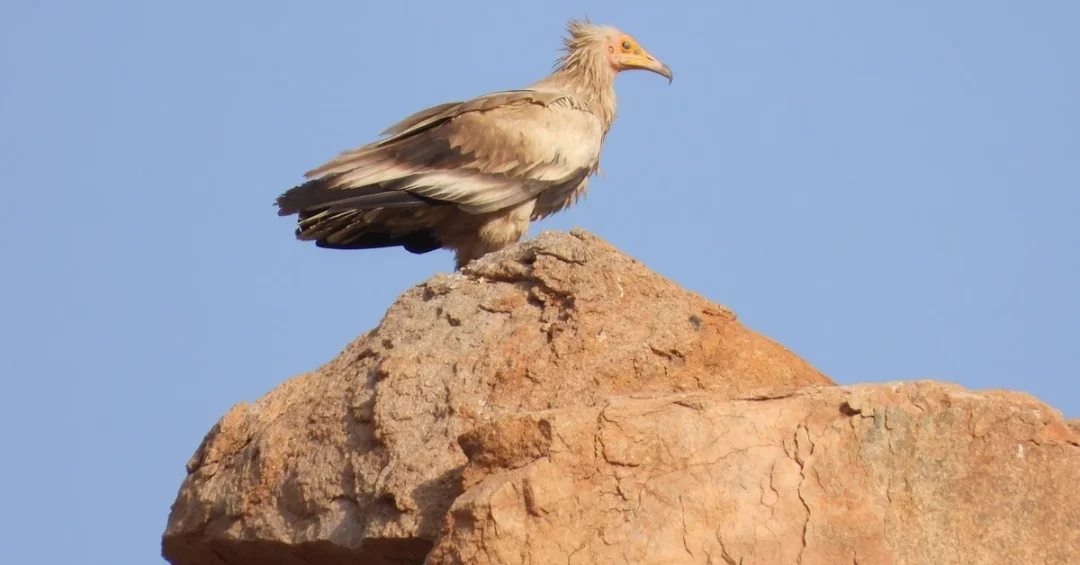
The King Salman bin Abdulaziz Royal Reserve Development Authority has published a scientific study documenting the growth and breeding of the Griffon Vulture in the international Open Journal of Animal Sciences, the Saudi Press Agency reported on September 8, 2026. The study confirms the reserve’s role as a safe and sustainable habitat for birds of prey and highlights the authority’s monitoring and protection programs for endangered species and ecological balance.
Context and Background
The King Salman bin Abdulaziz Royal Reserve is one of Saudi Arabia’s most significant protected areas, established to conserve natural heritage and wildlife. The authority’s field teams conducted systematic monitoring and surveys across the reserve, focusing on vulture populations and their nesting ecology. The publication in a peer-reviewed international journal reflects growing scientific capacity in the Kingdom and aligns with national environmental strategies.
Saudi Arabia has intensified conservation efforts through the Saudi Green Initiative and Vision 2030, which prioritize environmental sustainability, biodiversity, and habitat restoration. The reserve’s work supports these goals by providing data-driven protection for endangered raptors.
Key Details
The study reported the success of field plans to monitor and survey 57 nesting sites, with occupancy rates rising to 74.5% during 2024-2025 and 82 active nests documented. These figures demonstrate effective protection and monitoring. Supplementary feeding stations established by the authority supported Griffon Vulture nesting and helped attract and monitor three additional endangered vulture species: the Black Vulture, Lappet-faced Vulture, and Egyptian Vulture.
The findings further demonstrate the reserve’s role in protecting wildlife and providing suitable habitats for endangered species. The authority’s programs combine field research, community engagement, and habitat management to sustain vulture populations.
Implications and Impact
The study carries significance beyond Saudi Arabia, as Griffon Vulture populations face pressures across their range. The reserve’s success offers a model for regional conservation and international collaboration. By documenting breeding and occupancy, the authority contributes valuable data to global raptor conservation efforts. The presence of multiple endangered vulture species underscores the reserve’s ecological importance.
The publication also strengthens Saudi Arabia’s standing in environmental science and demonstrates the Kingdom’s commitment to international environmental agreements. It may encourage further research and partnerships with global conservation organizations.
Vision 2030 Alignment
This achievement aligns directly with Vision 2030, which seeks a sustainable future through environmental protection and biodiversity. The Saudi Green Initiative aims to protect 30% of terrestrial and marine areas by 2030, and the King Salman bin Abdulaziz Royal Reserve contributes to that target. The authority’s work supports quality of life, ecotourism potential, and scientific innovation. As Saudi Arabia expands its global environmental role, such studies reinforce its leadership in conservation and sustainable development.
20 Questions
Q1. What organization published the Griffon Vulture breeding study?
A1. The King Salman bin Abdulaziz Royal Reserve Development Authority published the study. It appeared in the international Open Journal of Animal Sciences, reflecting the authority’s commitment to scientific research and wildlife conservation in Saudi Arabia.
Q2. Where was the study conducted?
A2. The study focused on the King Salman bin Abdulaziz Royal Reserve, a protected area in Saudi Arabia. The reserve provides critical habitat for vultures and other wildlife, and the authority’s field teams conducted monitoring and surveys across its landscapes.
Q3. What bird species is the main focus of the study?
A3. The main focus is the Griffon Vulture, a large bird of prey. The study documented its growth and breeding, highlighting the reserve’s importance as a safe and sustainable habitat for this species and other endangered raptors.
Q4. How many nesting sites were monitored?
A4. The authority’s field teams monitored and surveyed 57 nesting sites. This systematic effort allowed researchers to assess occupancy rates and breeding success, providing valuable data for conservation management and protection programs within the reserve.
Q5. What was the occupancy rate during 2024-2025?
A5. The occupancy rate rose to 74.5% during 2024-2025. This increase indicates successful breeding and habitat use, demonstrating the effectiveness of the authority’s monitoring and protection measures for Griffon Vultures in the reserve.
Q6. How many active nests were documented?
A6. The study documented 82 active nests. This figure reflects a healthy breeding population and the reserve’s suitable conditions, supported by the authority’s conservation programs, supplementary feeding, and ongoing field monitoring efforts.
Q7. What are supplementary feeding stations?
A7. Supplementary feeding stations are designated sites where the authority provides food for vultures. These stations supported Griffon Vulture nesting and helped attract and monitor three additional endangered vulture species, enhancing conservation outcomes and research opportunities.
Q8. Which additional vulture species were attracted?
A8. The additional species were the Black Vulture, Lappet-faced Vulture, and Egyptian Vulture. All are endangered, and their presence at the reserve demonstrates the effectiveness of conservation measures and the importance of the reserve as a refuge.
Q9. Why is the Griffon Vulture important?
A9. The Griffon Vulture is a vital scavenger that helps maintain ecological balance by consuming carcasses. Its presence indicates a healthy ecosystem, and protecting the species supports biodiversity and the overall integrity of the reserve’s natural environment.
Q10. Where was the study published?
A10. The study was published in the international Open Journal of Animal Sciences. This peer-reviewed publication shares the findings with the global scientific community, showcasing Saudi Arabia’s contributions to wildlife research and conservation.
Q11. What does the study say about the reserve’s role?
A11. The study highlights the reserve’s importance as a safe and sustainable habitat for birds of prey. It also underscores the authority’s monitoring and protection programs, which support endangered species and help maintain ecological balance in the region.
Q12. How does this study reflect Saudi environmental efforts?
A12. The study reflects national efforts to protect the environment and conserve biodiversity. It demonstrates Saudi Arabia’s commitment to scientific research, habitat protection, and international cooperation, aligning with the Kingdom’s broader environmental strategies and sustainability goals.
Q13. What is the Saudi Press Agency’s role?
A13. The Saudi Press Agency reported the study’s findings, serving as an official source of information. SPA provides reliable news about government initiatives, including environmental successes, helping to inform the public and international audiences about Saudi Arabia’s conservation achievements.
Q14. What is the King Salman bin Abdulaziz Royal Reserve?
A14. It is a major protected area in Saudi Arabia dedicated to conserving wildlife and natural heritage. The reserve supports diverse species, including endangered vultures, and is managed by a development authority that conducts research and implements protection programs.
Q15. When was the study announced?
A15. The Saudi Press Agency reported the study on September 8, 2026, from Sakaka. The announcement shared the findings of the published research, highlighting the reserve’s successful breeding documentation and the authority’s ongoing conservation efforts.
Q16. How does this support Vision 2030?
A16. It supports Vision 2030 by advancing environmental sustainability and biodiversity conservation. The Saudi Green Initiative aims to protect 30% of terrestrial and marine areas, and the reserve’s work contributes to that target while promoting scientific innovation and quality of life.
Q17. What methods did the authority use?
A17. The authority used field monitoring, nesting surveys, and supplementary feeding stations. These methods allowed researchers to track occupancy, document active nests, and attract additional vulture species, providing comprehensive data for conservation management and protection.
Q18. What are the implications for global conservation?
A18. The study offers a model for vulture conservation worldwide. By sharing data on breeding success and habitat management, Saudi Arabia contributes to global efforts to protect endangered raptors and demonstrates the value of protected areas in maintaining biodiversity.
Q19. What does the reserve’s success mean for ecotourism?
A19. The reserve’s success enhances its potential as an ecotourism destination. Healthy vulture populations and protected landscapes can attract nature enthusiasts, supporting sustainable tourism and local communities while reinforcing Saudi Arabia’s commitment to environmental stewardship under Vision 2030.
Q20. What are the next steps for the authority?
A20. The authority will continue monitoring vulture populations, expanding protection programs, and publishing research. These efforts aim to ensure long-term survival of endangered species, support ecological balance, and contribute to Saudi Arabia’s environmental goals and international conservation partnerships.
Reader Feedback
We value your thoughts. Please share your feedback on this article.
Your feedback helps us improve our coverage.