


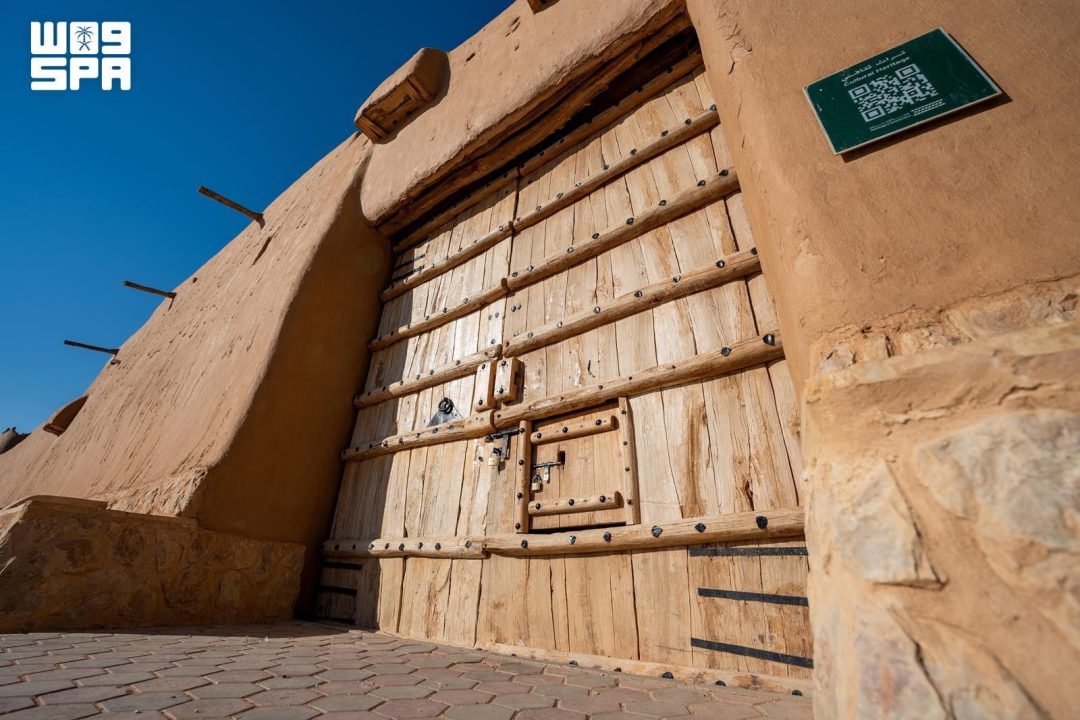
Northern Borders Region contains a network of trade routes, archaeological landmarks, and human settlements that document ancient commerce and caravan movements. These sites include architectural remnants, cisterns, and wells that reflect the historical topography of northern Arabia.
According to SPA, Abdulrahman Al-Tuwaijri, a member of the Antiquities Association, stated that early communities engineered hydraulic infrastructure along travel corridors to adapt to harsh desert terrain.
Darb Zubaydah, the pilgrimage trail from Kufa to Makkah, is the region’s primary archaeological corridor. It features fortified waystations, directional milestones, and paved paths. The Al-Thulaymah and Al-Jumaymah cisterns provided water for commercial caravans and pilgrims, supported by nearby waystations.
In Laynah and Zubala, surviving structures and clustered wells demonstrate the connection between regional urban development and subterranean water tables, using building techniques suited to the local environment.
Al-Tuwaijri noted that systematic documentation and field research are necessary to preserve historical memory, support academic research, and establish the Northern Borders Region as a cultural and heritage tourism destination.
What are the primary features of the Darb Zubaydah corridor in the Northern Borders Region? Darb Zubaydah is the premier archaeological corridor in the region, serving as the historic pilgrimage trail from Kufa to Makkah. It is characterized by the presence of paved paths, directional milestones, and fortified waystations. Additionally, the corridor includes hydraulic infrastructure such as the Al-Thulaymah and Al-Jumaymah cisterns, which were used to secure reliable water supplies for commercial caravans and pilgrims.
How did early communities in the Northern Borders Region manage water and settlement? Early communities adapted to the harsh desert terrain by engineering sophisticated hydraulic infrastructure along travel corridors. In settlements such as Laynah and Zubala, the use of clustered wells and specific building techniques tailored to the local environment underscored the link between regional urban development and subterranean water tables.
Why is continued research important for the archaeological sites of the Northern Borders Region? According to Abdulrahman Al-Tuwaijri, systematic documentation and continuing field research are vital for preserving the region’s historical memory. These efforts are intended to enrich academic research and help position the Northern Borders Region as an attractive destination for heritage and cultural tourism.