


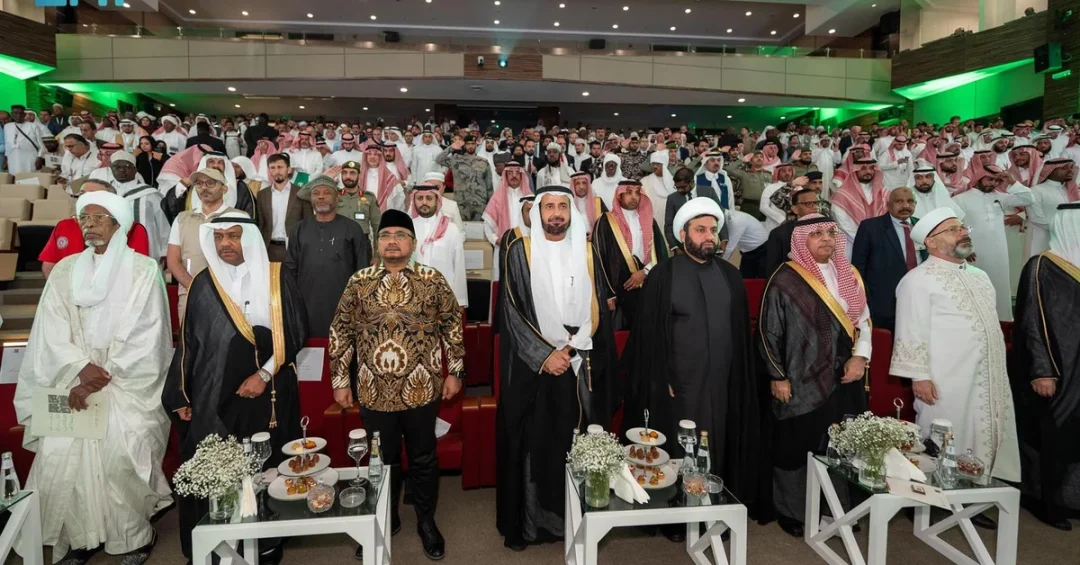
The Ministry of Hajj and Umrah in Makkah, in cooperation with the Pilgrim Experience Program, celebrated the successful conclusion of the Hajj season with a prestigious “Misk Closing Ceremony” on Tuesday. The ceremony, held in the holy city, honoured individuals and organizations that delivered exceptional services to pilgrims during the recently concluded Hajj. Minister of Hajj and Umrah Dr. Tawfiq Al-Rabiah used the occasion to outline a comprehensive plan for the upcoming Umrah and Hajj seasons, along with the official launch of a new platform named “Nusuk Masar.”
Context and Background
The Hajj season is one of the most important events on the Islamic calendar, drawing millions of pilgrims from across the globe to the holy sites in Makkah and Madinah. Saudi Arabia, under the leadership of the Custodian of the Two Holy Mosques, has continuously invested in infrastructure, technology, and services to ensure that pilgrims can perform their rituals with ease and spiritual comfort. The Misk Closing Ceremony serves as a culmination of the season’s efforts, celebrating the achievements of all those involved in facilitating the annual pilgrimage and highlighting Saudi Arabia’s unwavering commitment to hospitality and service excellence.
Key Details
During the ceremony, Dr. Al-Rabiah announced that preparations for the upcoming Umrah season, beginning on the 14th of Dhu al-Hijjah (corresponding to mid-July 2024), and the Hajj season of 1446 AH (June 2025) have officially commenced. He unveiled the launch of the “Nusuk Masar” platform, a revolutionary digital system designed to streamline services for worshippers performing Umrah and Hajj. This platform aims to create a unified and efficient experience for all stakeholders, including pilgrims, service providers, and government entities. Additionally, for the second consecutive year, Hajj Affairs offices will receive preliminary arrangements documents outlining pilgrim quotas well in advance of the season, enhancing planning and resource allocation. To maintain high standards, service providers will be required to offer three-year contracts with fixed allocations for camps and catering services bundled into the service package. Furthermore, all Hajj Affairs offices must partner with Ministry of Health-licensed medical providers, ensuring comprehensive medical care is available for all pilgrims. Minister Al-Rabiah also praised the collaborative efforts that made this year’s Hajj a success, stating, “Thanks to Allah, and through the unwavering support of the Custodian of the Two Holy Mosques and the close follow-up of His Royal Highness the Crown Prince and Prime Minister, we were able to have this success.” He acknowledged the crucial roles of various sectors, agencies, and international Hajj Affairs offices that work together to provide a seamless spiritual journey for all.
Implications and Impact
The enhancements and forward-thinking initiatives presented at the ceremony are expected to have a significant positive impact on the overall pilgrim experience. The earlier distribution of quota documents will allow Hajj Affairs offices around the world to make logistical preparations more efficiently, while the mandatory health partner agreements will enhance safety and care for pilgrims. The new “Nusuk Masar” platform is expected to simplify booking, visa processing, and other administrative procedures, making the pilgrimage journey smoother for millions of visitors. These measures reinforce Saudi Arabia’s commitment to hosting ever-growing numbers of pilgrims and reflect its leadership in Islamic services and digital innovation within the sector.
Vision 2030 Alignment
These announcements align closely with the Kingdom’s Vision 2030 goals, particularly those aimed at elevating the experience of guests of God and growing the number of pilgrims to the holy cities. The introduction of advanced digital platforms and the emphasis on sustainable, three-year service contracts illustrate the Kingdom’s strategic move towards modern, efficient, and hospitality that improves all facets of the pilgrim experience. As Saudi Arabia continues to invest in these initiatives, it strengthens its global standing as a hub for Islamic heritage and a gateway to spiritual enrichment, directly contributing to the realization of the ambitious Vision 2030 agenda.
20 Questions
Q1. What is the Misk Closing Ceremony?
A1. The Misk Closing Ceremony is a prestigious event organized by the Ministry of Hajj and Umrah in cooperation with the Pilgrims Experience Program. It marks the successful conclusion of the Hajj season and honors individuals and organizations that have contributed exceptionally to the service of pilgrims, celebrating their achievements and commitment to excellence.
Q2. Who attended the ceremony?
A2. The ceremony was attended by the Minister of Hajj and Umrah, Dr. Tawfiq Al-Rabiah, along with various officials, representatives from Hajj Affairs offices, service providers, and individuals who played a key role in the Hajj operations. Their presence highlighted the collective effort of all entities to ensure a smooth and spiritual experience for pilgrims.
Q3. When was the ceremony held?
A3. The ceremony was held on Tuesday, June 19, 2024, in the holy city of Makkah. This timing follows the conclusion of the annual Hajj pilgrimage, which in 2024 took place from June 14 to 19, and the ceremony was a platform to review and appreciate the achievements of the season.
Q4. What did the Minister announce about the upcoming Hajj and Umrah seasons?
A4. Dr. Tawfiq Al-Rabiah announced that preparations for the upcoming Umrah season, starting on the 14th of Dhu al-Hijjah, and the Hajj season of 1446 AH (2025) have officially begun. He also revealed plans to enhance services, improve coordination, and introduce new systems to better manage the influx of pilgrims in the coming seasons.
Q5. What is the new platform unveiled?
A5. The new platform is called “Nusuk Masar.” It is designed to streamline services for worshippers performing Umrah and Hajj. The platform aims to create a unified and efficient experience for all stakeholders involved in serving pilgrims, including pilgrims, service providers, and government agencies, by integrating various procedures into a single digital system.
Q6. How does the “Nusuk Masar” platform enhance the pilgrim experience?
A6. The platform is designed to simplify and accelerate the processes of booking, visa, accommodation, and transportation. It provides a one-stop digital portal that offers pilgrims a seamless and integrated experience, reducing the administrative burden and allowing them to focus on the spiritual aspects of their journey while ensuring high-quality services.
Q7. What are the plans for Hajj Affairs offices for the upcoming season?
A7. For the second consecutive year, Hajj Affairs offices will receive preliminary arrangement documents outlining pilgrim quotas well in advance of the season. This early distribution of quotas enables these offices to plan better, allocate resources more efficiently, and prepare comprehensive arrangements to accommodate pilgrims arriving from their respective countries.
Q8. Why is it important to receive preliminary documents early?
A8. Receiving preliminary documents early provides Hajj Affairs offices with sufficient lead time to coordinate with the relevant authorities, secure accommodation and transport, and ensure that all requirements are met. It improves overall planning and resource allocation, which leads to a more efficient and organized service for pilgrims.
Q9. What are the new contractual requirements for service providers?
A9. Service providers will now be required to offer three-year contracts, with fixed allocations for camps and catering services bundled into the service package. This ensures long-term stability and consistent quality of services, as well as allowing providers to invest in facilities and staff training over the years.
Q10. How will this benefit the pilgrims?
A10. The three-year contracts and fixed allocations will result in more reliable and standardized services for pilgrims. They will experience less variability in the quality of accommodation and catering, as providers are committed to maintaining a high standard over the longer term. It also allows for better advance planning and predictable outcomes.
Q11. What is the medical requirement for Hajj Affairs offices?
A11. Hajj Affairs offices will be mandated to partner with Ministry of Health-licensed medical providers. This ensures that every pilgrim has access to comprehensive medical care during their stay. The requirement emphasizes the health and safety of pilgrims, as medical services will be an integral part of the overall service package.
Q12. Why is partnering with licensed medical providers important?
A12. Partnering with Ministry of Health-licensed medical providers guarantees that the medical staff are qualified and the facilities meet required standards. This measure safeguards pilgrims’ health by offering professional, timely care for any medical needs, which is especially vital given the large gathering and physical demands of the pilgrimage.
Q13. What is the purpose of the Misk Closing Ceremony?
A13. The Misk Closing Ceremony serves to thank and celebrate all individuals and organizations that have contributed to the success of the Hajj season. It is an occasion to acknowledge their dedication and hard work, as well as to highlight the outstanding services provided to pilgrims, fostering a culture of excellence and appreciation.
Q14. How did the ceremony promote excellence?
A14. By recognising and honouring the best performers, the ceremony encourages other service providers to excel. It highlights the importance of quality service, efficiency, and innovation, motivating all parties to continuously improve their offerings and aspire to the highest standards of care for pilgrims.
Q15. Who are the key beneficiaries of the new platform?
A15. The key beneficiaries of the new “Nusuk Masar” platform are the pilgrims themselves, who will have a more straightforward and streamlined experience. Additionally, all stakeholders, including hotel owners, transport providers, and Hajj affairs offices, will benefit from the simplified processes and improved efficiency, enabling them to serve the pilgrims better.
Q16. What does the upcoming Umrah season start date signify?
A16. The upcoming Umrah season is set to start on the 14th of Dhu al-Hijjah, which in the Gregorian calendar corresponds to mid-June 2024. This date is significant as it immediately follows the Hajj season, allowing for a seamless transition of services from the crowded annual pilgrimage to the optional Umrah that can be performed at any time of the year.
Q17. How does the early commencement of preparations align with Vision 2030?
A17. The early and systematic preparation aligns with Vision 2030’s goal to increase the capacity and quality of service for pilgrims, aiming to host millions of pilgrims and provide them with a spiritually enriching experience. Streamlined processes and forward planning are core to the vision of improving service levels in a sustainable way.
Q18. What were the outcomes of the 2024 Hajj season?
A18. The 2024 Hajj season was marked by remarkable successes, including a smooth administration of the pilgrimage with minimal disruptions and high levels of contentment among pilgrims. The collaborative efforts of various sectors ensured that all services, from accommodation to medical support, were provided efficiently, as acknowledged by the Ministry.
Q19. How does the Ministry plan to maintain service quality?
A19. The Ministry plans to maintain service quality through the enforcement of three-year contracts and the requirement of licensed medical partners, among other measures. These initiatives encourage providers to invest in their facilities and staff, while the early coordination and platforms like “Nusuk Masar” help to standardize the experience across all service categories.
Q20. What is the future outlook for Saudi Arabia’s Hajj and Umrah services?
A20. The future outlook is highly positive, with the Ministry embracing technology and strategic partnerships to elevate the pilgrimage experience. The development of new platforms and streamlined processes is expected to attract more pilgrims, support the growth of the sector, and ultimately help achieve the Vision 2030 goals of improving the quality of life for residents and visitors.
Reader Feedback
We value your thoughts. Please share your feedback on this article.
Your feedback helps us improve our coverage.