


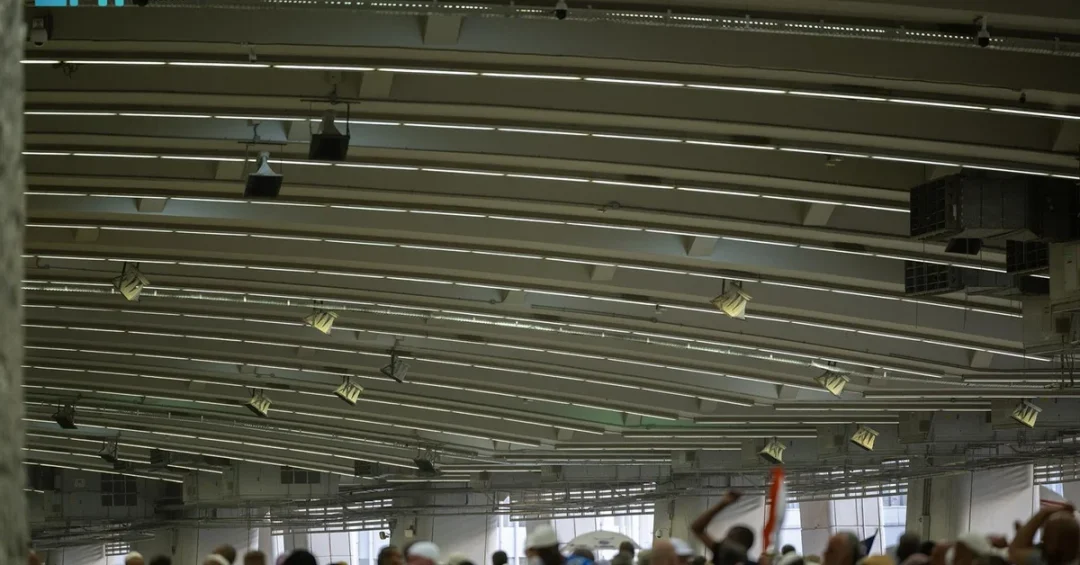
Pilgrims performed the final rites of Hajj on Wednesday, casting the three Jamarat in Mina and completing the farewell Tawaf in Makkah, marking the culmination of the annual pilgrimage. According to the Saudi Press Agency (SPA), on the last day of Hajj and the third day of Tashreeq, pilgrims cast the small Jamrah, followed by the middle Jamrah and then Jamrat Al-Aqaba, in a smooth and orderly movement. Afterwards, they proceeded to the Grand Mosque in Makkah to perform Tawaf Al-Wada (farewell circumambulation), concluding their spiritual journey.
Context and Background
The Jamarat stoning ritual symbolizes the rejection of evil and is a key component of the Hajj pilgrimage, which is the fifth pillar of Islam. The three Jamarat—small, middle, and large—are located in Mina, a valley near Makkah. Pilgrims throw pebbles at these pillars to emulate the actions of Prophet Ibrahim (Abraham), who stoned Satan when tempted to disobey God. The ritual takes place over several days, with the final day being the 13th of Dhu al-Hijjah, known as the third day of Tashreeq. This year, the Saudi authorities implemented extensive measures to ensure the safety and comfort of the pilgrims, reflecting the Kingdom’s commitment to serving the guests of God.
Following the stoning, pilgrims perform Tawaf Al-Wada, a final circumambulation of the Kaaba before departing Makkah. This farewell ritual is obligatory for those completing Hajj and signifies the end of the pilgrimage. The Saudi government, under the leadership of the Custodian of the Two Holy Mosques, King Salman bin Abdulaziz Al Saud, and Crown Prince Mohammed bin Salman, has prioritized the well-being of pilgrims through massive infrastructure projects and advanced crowd management systems.
Key Details
The SPA reported that the movement of pilgrims was characterized by ease, whether on their paths to the stoning or to Makkah for the Tawaf Al-Wada. This smooth flow is the result of meticulous planning by Saudi authorities, including the Ministry of Hajj and Umrah, which oversees the logistics of the pilgrimage. The ministry, in collaboration with security and health agencies, has deployed thousands of personnel and state-of-the-art technology to manage the crowds and provide essential services.
Pilgrims depart Mina with beautiful memories, hopeful that they return to their homelands with their sins and mistakes forgiven. The spiritual transformation experienced during Hajj is profound, and many pilgrims express gratitude for the opportunity to perform this sacred duty. The successful completion of the rituals underscores the Kingdom’s role as the guardian of Islam’s holiest sites and its dedication to facilitating the pilgrimage for millions of Muslims worldwide.
Implications and Impact
The conclusion of Hajj brings significant economic and social benefits to Saudi Arabia. The pilgrimage generates substantial revenue through travel, accommodation, and related services, contributing to the Kingdom’s economy. Moreover, it enhances Saudi Arabia’s standing in the Muslim world and reinforces its leadership in serving Islam. The international media coverage of Hajj also showcases the Kingdom’s modernization efforts and its ability to host large-scale events safely.
Regionally, the successful Hajj season promotes unity among Muslims and strengthens ties between Saudi Arabia and other Islamic nations. The pilgrimage serves as a platform for cultural exchange and dialogue, fostering goodwill and understanding. The Kingdom’s efficient management of Hajj has been praised by international observers, further solidifying its reputation as a capable and responsible global partner.
Vision 2030 Alignment
The seamless execution of Hajj aligns with Saudi Vision 2030, which aims to diversify the economy and enhance the quality of life for citizens and visitors. Under Vision 2030, the Kingdom has invested heavily in infrastructure and digital solutions to improve the pilgrimage experience. The Ministry of Hajj and Umrah has introduced initiatives such as the Nusuk platform, which simplifies visa procedures and provides comprehensive services for pilgrims. These efforts reflect the broader objectives of Vision 2030 to transform Saudi Arabia into a global hub for tourism and spirituality, while maintaining its cultural and religious heritage.
As pilgrims bid farewell to Mina, the successful conclusion of Hajj 2024 highlights Saudi Arabia’s unwavering commitment to serving the guests of God and its progress towards a prosperous future. The Kingdom continues to set benchmarks in hospitality and event management, reinforcing its pivotal role on the world stage.
20 Questions
Q1. What is the significance of the Jamarat stoning ritual?
A1. The Jamarat stoning symbolizes the rejection of evil and emulates Prophet Ibrahim’s actions when he stoned Satan. It is a key ritual of Hajj, performed in Mina, and represents the pilgrim’s commitment to faith and obedience to God.
Q2. How many Jamarat do pilgrims cast on the last day of Hajj?
A2. On the last day, pilgrims cast three Jamarat: the small Jamrah, the middle Jamrah, and Jamrat Al-Aqaba. This completes the stoning ritual for the day, following the tradition of Prophet Muhammad.
Q3. What is Tawaf Al-Wada?
A3. Tawaf Al-Wada, or the farewell circumambulation, is the final ritual of Hajj where pilgrims circle the Kaaba seven times before leaving Makkah. It signifies the end of the pilgrimage and is obligatory for all pilgrims.
Q4. When does the last day of Hajj occur?
A4. The last day of Hajj is the 13th day of Dhu al-Hijjah, known as the third day of Tashreeq. On this day, pilgrims complete the Jamarat stoning and perform Tawaf Al-Wada before departing.
Q5. How did Saudi authorities ensure the smooth flow of pilgrims?
A5. Saudi authorities, including the Ministry of Hajj and Umrah, deployed extensive planning, thousands of personnel, and advanced technology to manage crowds and provide services, ensuring safety and ease for pilgrims during the rituals.
Q6. What economic benefits does Hajj bring to Saudi Arabia?
A6. Hajj generates significant revenue through travel, accommodation, and services, contributing to Saudi Arabia’s economy. It also boosts local businesses and creates jobs, aligning with Vision 2030’s economic diversification goals.
Q7. How does Hajj promote unity among Muslims?
A7. Hajj brings together millions of Muslims from diverse backgrounds, fostering unity, equality, and brotherhood. It serves as a platform for cultural exchange and spiritual renewal, strengthening ties among Islamic nations.
Q8. What is the role of the Ministry of Hajj and Umrah?
A8. The Ministry of Hajj and Umrah oversees all aspects of the pilgrimage, including logistics, safety, and services. It implements policies and initiatives to facilitate Hajj and Umrah for millions of pilgrims annually.
Q9. How does Hajj align with Saudi Vision 2030?
A9. Hajj aligns with Vision 2030 by enhancing infrastructure, improving services, and promoting tourism. Initiatives like the Nusuk platform streamline procedures, reflecting the vision’s goals of economic diversification and spiritual leadership.
Q10. What measures are in place for pilgrim safety during Hajj?
A10. Saudi authorities deploy security forces, medical teams, and advanced monitoring systems to ensure pilgrim safety. Crowd management plans and emergency services are in place to handle any situation efficiently.
Q11. What is the significance of Mina during Hajj?
A11. Mina is a valley near Makkah where pilgrims stay during Hajj and perform the Jamarat stoning. It is a crucial site for the pilgrimage rituals and accommodates millions of pilgrims in tent cities.
Q12. How do pilgrims feel upon completing Hajj?
A12. Pilgrims often feel a deep sense of spiritual fulfillment and joy, hopeful that their sins are forgiven. They depart with beautiful memories and a renewed sense of faith and purpose.
Q13. What is the fifth pillar of Islam?
A13. Hajj is the fifth pillar of Islam, obligatory for all able Muslims once in their lifetime. It involves a series of rituals performed in Makkah and surrounding areas over several days.
Q14. How has technology improved the Hajj experience?
A14. Technology has improved Hajj through apps like Nusuk for visas and services, smart crowd management, and digital guides. These innovations enhance safety, convenience, and communication for pilgrims.
Q15. What is the role of the Custodian of the Two Holy Mosques in Hajj?
A15. The Custodian of the Two Holy Mosques, King Salman bin Abdulaziz Al Saud, oversees the care of the holy sites and ensures pilgrims’ welfare. His leadership underscores Saudi Arabia’s commitment to serving Islam.
Q16. How does Hajj contribute to Saudi Arabia’s global standing?
A16. Hajj showcases Saudi Arabia’s capability to host massive events and serve pilgrims, enhancing its global reputation. It reinforces the Kingdom’s role as a leader in the Islamic world and a responsible international partner.
Q17. What are the days of Tashreeq?
A17. The days of Tashreeq are the 11th, 12th, and 13th of Dhu al-Hijjah, following Eid al-Adha. Pilgrims stay in Mina and perform the Jamarat stoning during these days.
Q18. How many pilgrims performed Hajj this year?
A18. The exact number varies, but millions of pilgrims from around the world perform Hajj annually. Saudi authorities manage the crowds to ensure safety and comfort for all.
Q19. What is the significance of the Kaaba?
A19. The Kaaba is the holiest site in Islam, towards which Muslims pray. It is the focal point of Hajj and Umrah, symbolizing unity and monotheism.
Q20. How does Saudi Arabia ensure the spiritual atmosphere of Hajj?
A20. Saudi Arabia maintains the sanctity of the holy sites, provides religious guidance, and facilitates rituals. The Kingdom’s efforts ensure pilgrims can focus on their spiritual journey in a peaceful environment.
Reader Feedback
We value your thoughts. Please share your feedback on this article.
Your feedback helps us improve our coverage.