


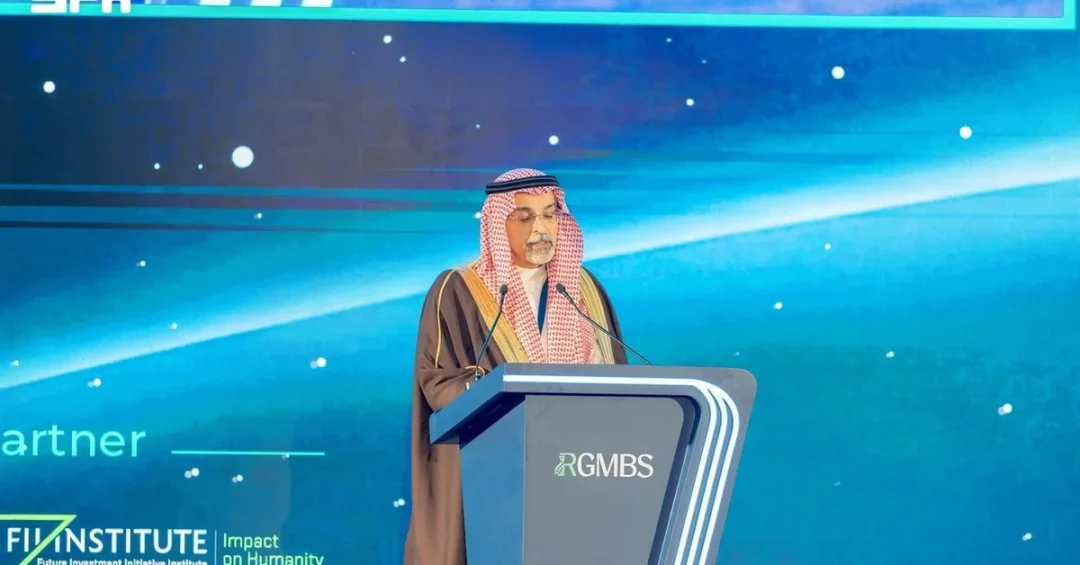
Saudi Arabia’s Saudi Data and AI Authority (SDAIA) has integrated more than 500 government systems from around 90 government entities into the National Data Lake (NDL), according to its President of the National Data Management Office, Alrebdi Fahad Alrebdi. The announcement came during the opening ceremony of the fourth Riyadh Global Medical Biotechnology Summit, where Alrebdi highlighted the Kingdom’s commitment to biotechnology as a pillar of Saudi Vision 2030. The summit, attended by Minister of National Guard Prince Abdullah bin Bandar bin Abdulaziz and numerous international officials, underscored Saudi Arabia’s growing role in the global biotech and data-driven healthcare landscape.
Context and Background
Speaking at the summit, Alrebdi emphasized the strong support the biotechnology sector receives from the Kingdom’s leadership for its role in improving human health and diversifying the economy. He noted that the National Biotechnology Strategy, launched under Vision 2030, aims to make Saudi Arabia a leading biotechnology hub in the Middle East by 2030 and a global hub by 2040. This strategy reflects a broader national push to foster innovation and reduce dependence on oil revenues, with data and AI at its core.
The summit serves as a key platform for scientists, researchers, innovators, policymakers, and investors to collaborate on advancing biotechnology. Alrebdi stressed that advances in genomics, precision medicine, drug discovery, and early diagnosis increasingly rely on data that must be managed, governed, and shared in a trusted, secure, and responsible manner. This aligns with SDAIA’s mandate to create a data-driven economy in Saudi Arabia, ensuring that data becomes a national asset.
Key Details
Alrebdi detailed that SDAIA has successfully integrated over 500 government systems from approximately 90 government entities into the National Data Lake, a centralized repository that enables secure and efficient data sharing across the public sector. Additionally, SDAIA has made more than 23,000 open datasets available from over 340 government and private entities, fostering transparency and enabling researchers and businesses to access critical data. These initiatives are designed to accelerate research and development in biotechnology, particularly in areas like drug development and personalized medicine.
The National Data Lake is a cornerstone of Saudi Arabia’s digital transformation, allowing for the harmonization of data across various sectors. By consolidating data from health, education, finance, and other ministries, SDAIA is building a robust data infrastructure that supports evidence-based decision-making and innovation. This integration also facilitates the development of AI-driven solutions that can address pressing health challenges, contributing to the Kingdom’s goal of improving quality of life.
Implications and Impact
The scale of data integration announced at the Riyadh summit signals a major step forward in Saudi Arabia’s ambition to become a global leader in biotechnology research and innovation. With a unified data ecosystem, researchers can access comprehensive datasets for advanced studies in genomics and epidemiology, potentially leading to breakthroughs in disease treatment and prevention. The summit also provides an opportunity to strengthen international partnerships, as evidenced by the presence of ministers and officials from around the world.
Beyond healthcare, the data lake supports the broader digital economy, enabling startups and established companies to leverage public data for new services and products. By sharing open datasets, SDAIA encourages public-private collaboration, which is vital for scaling innovations from the lab to the marketplace. The emphasis on trusted and secure data governance also positions Saudi Arabia as a reliable partner for global tech companies looking to expand in the region, enhancing the Kingdom’s attractiveness as an investment destination.
Vision 2030 Alignment
The developments highlighted at the Riyadh Global Medical Biotechnology Summit directly support Vision 2030’s goals of diversifying the economy, enhancing human health, and building a knowledge-based society. The National Biotechnology Strategy and the National Data Lake are tangible examples of how Saudi Arabia is leveraging data and AI to achieve transformative outcomes. As the Kingdom continues to integrate data systems and expand open data availability, it is laying the groundwork for a future where biotechnology thrives, driving economic growth and improving quality of life for Saudis and the wider region. This summit reinforces Saudi Arabia’s commitment to being at the forefront of global innovation, aligning with the leadership’s vision of a vibrant, sustainable, and prosperous nation.
20 Questions
Q1. What did SDAIA announce at the Riyadh Biotech Summit?
A1. SDAIA announced the integration of over 500 government systems from about 90 entities into the National Data Lake, as stated by Alrebdi Fahad Alrebdi during the summit opening.
Q2. Who made the announcement?
A2. The announcement was made by Alrebdi Fahad Alrebdi, President of the National Data Management Office at SDAIA, during his remarks at the summit.
Q3. What is the National Data Lake?
A3. The National Data Lake is a centralized repository that consolidates data from various government systems to enable secure, efficient sharing and support data-driven innovation.
Q4. How many government systems have been integrated?
A4. More than 500 government systems from around 90 government entities have been integrated into the National Data Lake, according to SDAIA’s announcement.
Q5. How many open datasets are available?
A5. SDAIA has made more than 23,000 open datasets available from over 340 government and private entities.
Q6. What is the National Biotechnology Strategy?
A6. The National Biotechnology Strategy aims to make Saudi Arabia a leading biotechnology hub in the Middle East by 2030 and a global hub by 2040, aligning with Vision 2030.
Q7. How does the data integration support biotechnology?
A7. Data integration enables researchers to access comprehensive datasets for genomics, precision medicine, and drug discovery, accelerating innovations in biotechnology.
Q8. Who attended the summit?
A8. Minister of National Guard Prince Abdullah bin Bandar bin Abdulaziz attended, along with several ministers and officials from around the world.
Q9. What is the role of SDAIA in this initiative?
A9. SDAIA leads the management, governance, and sharing of data, ensuring trusted and secure access to support biotechnology and broader digital transformation.
Q10. What technology fields benefit from the data lake?
A10. Genomics, precision medicine, drug discovery, early diagnosis, and AI-driven healthcare solutions benefit significantly from the National Data Lake.
Q11. How does this support Vision 2030?
A11. It supports Vision 2030 by fostering economic diversification, improving healthcare through innovation, and building a knowledge-based society.
Q12. What is the significance of the Riyadh summit?
A12. The summit strengthens partnerships and promotes knowledge exchange among scientists, researchers, policymakers, and investors, accelerating biotech development.
Q13. How does SDAIA ensure data security?
A13. SDAIA ensures data is managed, governed, and shared in a trusted, secure, and responsible manner, adhering to strict standards and protocols.
Q14. What types of data are included?
A14. The data lake includes health, education, finance, and other sectors, providing a broad base for research and innovation.
Q15. How can researchers access the data?
A15. Researchers can access open datasets through SDAIA’s platforms, which are designed to facilitate secure and transparent data sharing.
Q16. What is the expected impact on healthcare?
A16. The integration is expected to improve early diagnosis, personalized treatments, and drug development, enhancing overall public health outcomes.
Q17. What international collaborations might arise?
A17. The summit fosters global partnerships, potentially leading to joint research projects, knowledge transfer, and investment in Saudi biotech initiatives.
Q18. How does this affect the Saudi economy?
A18. By promoting biotechnology innovation, the initiative contributes to economic diversification, creates high-skilled jobs, and attracts foreign investment.
Q19. What is the timeline for becoming a global biotech hub?
A19. Saudi Arabia aims to be a leading regional hub by 2030 and a global hub
Reader Feedback
We value your thoughts. Please share your feedback on this article.
Your feedback helps us improve our coverage.