


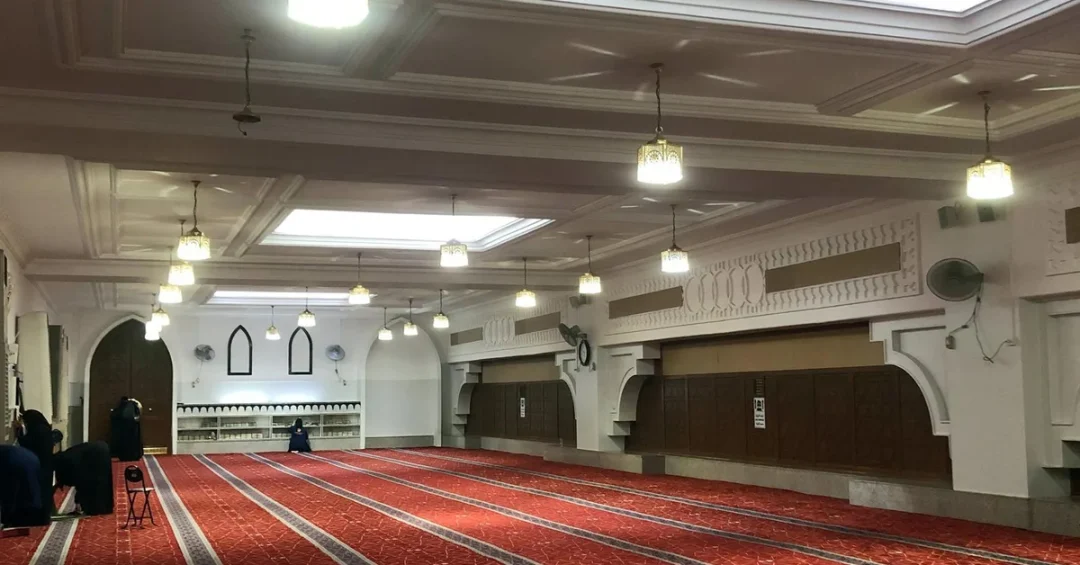
A total of 388 male and female staff members from the Ministry of Islamic Affairs, Dawah, and Guidance branch in Madinah are delivering essential services to pilgrims during this year’s Hajj season, ensuring they can perform their rituals with ease and comfort. The staff are deployed across mosques and centers frequented by pilgrims in the holy city, managing crowds, providing multilingual guidance, distributing water and copies of the Holy Quran, and caring for the elderly and people with disabilities. This effort reflects the Kingdom’s unwavering commitment to serving the Guests of Allah and facilitating a spiritually fulfilling pilgrimage experience.
Context and Background
Madinah, the second holiest city in Islam, hosts millions of pilgrims annually, especially during the Hajj season. The Ministry of Islamic Affairs, Dawah, and Guidance, under the leadership of Minister Sheikh Dr. Abdullatif bin Abdulaziz Al Al-Sheikh, plays a pivotal role in ensuring that pilgrims receive the highest level of care and support. The ministry’s Madinah branch coordinates with various government agencies to provide a seamless experience for visitors to the Prophet’s Mosque and other significant sites. This initiative is part of a broader national strategy to enhance pilgrimage services, aligned with Vision 2030, which aims to elevate the quality of life and services for all visitors.
Key Details
The 388 staff members are engaged in a variety of tasks designed to address the diverse needs of pilgrims. These include crowd management to maintain order and safety, multilingual guidance to assist non-Arabic speakers, and the distribution of water bottles and copies of the Holy Quran. Special attention is given to the elderly and people with disabilities, ensuring they can navigate the holy sites comfortably. The staff operate in shifts around the clock, demonstrating the Kingdom’s dedication to hospitality and service. According to the Saudi Press Agency, these efforts are part of the ministry’s annual plan to support pilgrims during Hajj.
Implications and Impact
The presence of these dedicated staff members significantly enhances the pilgrimage experience, allowing worshippers to focus on their spiritual journey without logistical concerns. By providing essential services, the ministry not only upholds the sanctity of the pilgrimage but also showcases Saudi Arabia’s logistical capabilities and commitment to international visitors. This initiative contributes to the Kingdom’s reputation as a welcoming and efficient host, which is crucial for attracting more pilgrims and fostering global goodwill. Furthermore, it underscores the successful collaboration between various Saudi authorities in managing large-scale religious events.
Vision 2030 Alignment
This initiative is a clear reflection of Vision 2030, Saudi Arabia’s ambitious plan to diversify the economy and enhance public services. By improving the pilgrimage experience, the Kingdom aims to increase the number of Umrah and Hajj pilgrims to 30 million annually by 2030. The ministry’s efforts not only support this goal but also demonstrate the Kingdom’s dedication to preserving its religious heritage while embracing modernization and efficiency. As Saudi Arabia continues to invest in infrastructure and services for pilgrims, it reinforces its role as a global leader in hospitality and spiritual care.
20 Questions
Q1. How many staff members are serving pilgrims in Madinah this Hajj season?
A1. A total of 388 male and female staff members from the Ministry of Islamic Affairs, Dawah, and Guidance branch in Madinah are providing services to pilgrims during this year’s Hajj season.
Q2. What is the primary goal of the ministry’s staff in Madinah?
A2. Their primary goal is to ensure that pilgrims enjoy utmost comfort and are able to perform their rituals with ease, reflecting the Kingdom’s commitment to serving the Guests of Allah.
Q3. What specific services are provided by the staff?
A3. Services include managing crowds, providing guidance in several languages, distributing water bottles and copies of the Holy Quran, and ensuring proper care for the elderly and people with disabilities.
Q4. Where are these services being offered?
A4. The services are offered in the mosques and centers frequented by pilgrims in Madinah, especially around the Prophet’s Mosque and other significant religious sites.
Q5. Why is Madinah significant during the Hajj season?
A5. Madinah is the second holiest city in Islam and hosts millions of pilgrims annually, particularly during Hajj, making it a key destination for spiritual visitation.
Q6. How does this initiative align with Saudi Vision 2030?
A6. It aligns with Vision 2030 by enhancing pilgrimage services, aiming to increase the number of pilgrims to 30 million annually and showcasing the Kingdom’s modernization and efficiency.
Q7. What role does the Ministry of Islamic Affairs play in Hajj?
A7. The ministry oversees religious services, ensures proper guidance, and provides logistical support to pilgrims in Madinah and other holy sites during Hajj.
Q8. How are elderly and disabled pilgrims assisted?
A8. Staff members provide special care, including assistance with mobility, guidance, and ensuring their comfort while performing rituals at the holy sites.
Q9. In what languages is guidance provided?
A9. Guidance is provided in several languages to accommodate the diverse international pilgrims, though specific languages are not listed in the report.
Q10. What is the significance of distributing copies of the Holy Quran?
A10. It allows pilgrims to have a copy for their spiritual reading and rituals, enhancing their religious experience during their stay in Madinah.
Q11. How does crowd management contribute to pilgrim safety?
A11. Effective crowd management prevents overcrowding, ensures orderly movement, and reduces the risk of accidents, allowing pilgrims to perform rituals safely.
Q12. What other Saudi agencies collaborate with the ministry?
A12. Various government agencies coordinate with the ministry to provide comprehensive services, including security, health, and transportation support.
Q13. How long do these services operate during Hajj?
A13. The services operate throughout the Hajj season, with staff working in shifts around the clock to ensure continuous support for pilgrims.
Q14. What impact does this have on the pilgrim experience?
A14. It significantly enhances the experience by providing essential support, allowing pilgrims to focus on their spiritual journey without logistical concerns.
Q15. How does this initiative reflect Saudi hospitality?
A15. It demonstrates the Kingdom’s dedication to welcoming and caring for guests, aligning with Islamic values and the nation’s tradition of hospitality.
Q16. Are there similar services in Makkah?
A16. Yes, similar services are provided in Makkah and other holy sites, with the Ministry of Islamic Affairs coordinating across regions.
Q17. What training do staff members receive?
A17. Staff are trained in crowd management, communication, and emergency response to effectively assist pilgrims and handle diverse situations.
Q18. How does this support Saudi Arabia’s global image?
A18. It showcases the Kingdom’s organizational capabilities and commitment to religious tourism, enhancing its reputation as a reliable and hospitable host.
Q19. What feedback have pilgrims given about these services?
A19. Pilgrims have expressed gratitude for the assistance, noting that it greatly facilitates their rituals and enhances their overall pilgrimage experience.
Q20. How can pilgrims access these services?
A20. Pilgrims can approach staff members at mosques and centers in Madinah, who are readily available to provide guidance and support as needed.
Reader Feedback
We value your thoughts. Please share your feedback on this article.
Your feedback helps us improve our coverage.