


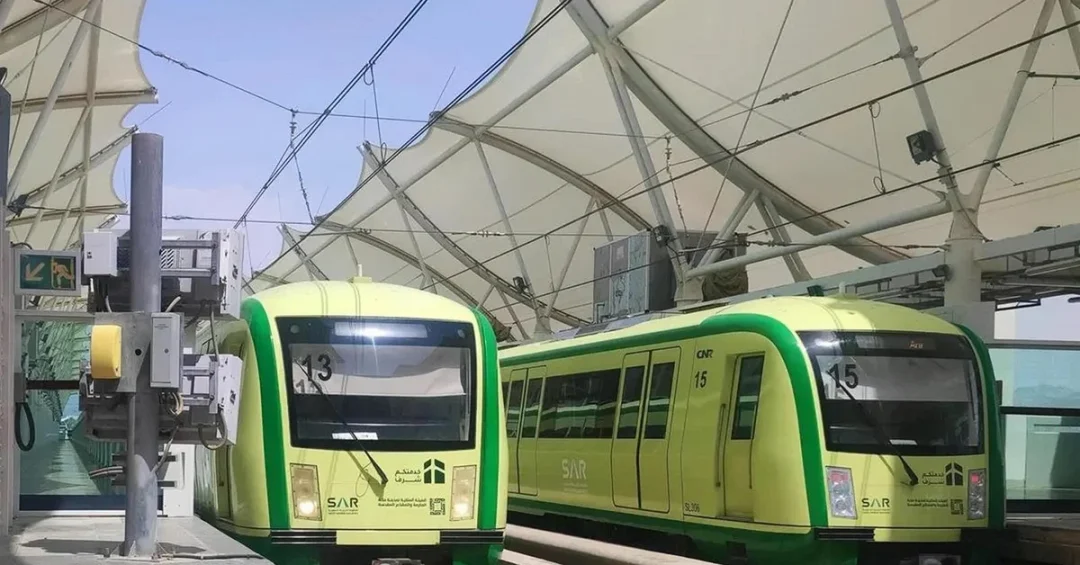
Makkah, June 9, 2024 — The Al-Mashaaer Al-Mugaddassah Metro Line is fully prepared to transport thousands of pilgrims between the holy sites of Makkah, Mount Arafat, Muzdalifah, and Mina during the upcoming Hajj season, according to the Saudi Press Agency (SPA). The metro service, a key component of Saudi Arabia’s efforts to enhance the pilgrimage experience, will operate at a capacity of 72,000 passengers per hour in one direction, making over 2,000 trips to ensure smooth and comfortable movement for pilgrims performing their rituals.
Context and Background
The Al-Mashaaer Al-Mugaddassah Metro Line, also known as the Makkah Metro, was introduced to alleviate congestion and improve logistics during the annual Hajj, one of the world’s largest religious gatherings. Stretching 18 kilometers with nine stations across the holy sites, the metro connects Mina, Arafat, and Muzdalifah via a double railway track. Its electric-powered trains contribute to a greener environment by producing zero carbon emissions, aligning with Saudi Arabia’s sustainability goals. The service is a testament to the Kingdom’s commitment to leveraging modern infrastructure for the benefit of pilgrims, reflecting the visionary leadership of the Custodian of the Two Holy Mosques, King Salman bin Abdulaziz Al Saud, and His Royal Highness Crown Prince Mohammed bin Salman bin Abdulaziz Al Saud, Prime Minister.
Key Details
The metro fleet comprises 17 trains, each capable of carrying 3,000 passengers, collectively transporting more than 350,000 pilgrims between the holy sites. Traveling at speeds up to 80 kilometers per hour, the metro covers the distance between Mina and Arafat in approximately 20 minutes, significantly reducing travel time. The stations are designed with pilgrim convenience in mind: waiting areas are separated from boarding areas, and boarding platforms are distinct from departure platforms. Additionally, 60 doors on each side of the stations facilitate smooth entry and exit. Accessibility features include connecting bridges, ramps, and elevators, ensuring ease of movement for the elderly and people with disabilities.
Implications and Impact
The operation of the Al-Mashaaer Al-Mugaddassah Metro Line during Hajj underscores Saudi Arabia’s logistical prowess and dedication to hosting pilgrims with the highest standards of safety and comfort. By reducing road congestion and providing a reliable transport option, the metro enhances the overall pilgrimage experience, allowing pilgrims to focus on their spiritual journey. This initiative also minimizes environmental impact, as the electric trains produce no carbon emissions, preserving the sanctity and cleanliness of the holy sites. The metro’s efficiency reflects the Kingdom’s broader efforts to modernize infrastructure and improve public services, setting a benchmark for large-scale event management globally.
Vision 2030 Alignment
The Al-Mashaaer Al-Mugaddassah Metro Line exemplifies Saudi Arabia’s Vision 2030 objectives, particularly in enhancing the pilgrimage experience and promoting sustainable development. By investing in advanced transportation infrastructure, the Kingdom demonstrates its commitment to innovation, environmental stewardship, and the well-being of millions of pilgrims. As part of the broader efforts to upgrade Hajj services, the metro supports the vision’s goal of increasing the number of pilgrims and facilitating their rituals, thereby strengthening Saudi Arabia’s role as the guardian of Islam’s holiest sites and a leader in global hospitality.
20 Questions
Q1. What is the Al-Mashaaer Al-Mugaddassah Metro Line?
A1. The Al-Mashaaer Al-Mugaddassah Metro Line is a dedicated metro system in Makkah that transports pilgrims between the holy sites of Mina, Arafat, and Muzdalifah during Hajj. It operates on electric power with zero carbon emissions, enhancing the pilgrimage experience by providing efficient and comfortable transportation.
Q2. How many stations does the metro have?
A2. The metro features nine stations distributed across the holy sites, connected by an 18-kilometer double railway track. These stations are strategically located to facilitate easy access for pilgrims performing their rituals, with modern amenities to ensure smooth movement.
Q3. What is the passenger capacity of the metro?
A3. The metro can transport 72,000 passengers per hour in one direction, with over 2,000 trips made during Hajj. Its fleet of 17 trains, each carrying 3,000 passengers, collectively supports more than 350,000 pilgrims between the holy sites.
Q4. How fast does the metro travel?
A4. The metro travels at a speed of up to 80 kilometers per hour, covering the distance between Mina and Arafat in about 20 minutes. This speed significantly reduces travel time and enhances the efficiency of pilgrim movement during the busy Hajj period.
Q5. How many trains are in operation?
A5. The fleet consists of 17 trains, each with a capacity of 3,000 passengers. These trains are designed to handle the large influx of pilgrims, ensuring timely and reliable transportation between the holy sites throughout the Hajj season.
Q6. What accessibility features are available at the stations?
A6. The stations include elevators, ramps, and connecting bridges to assist pilgrims with mobility challenges, including the elderly and people with disabilities. These features ensure that all pilgrims can access the platforms and move comfortably between different areas.
Q7. How does the metro contribute to environmental sustainability?
A7. The metro operates on electric power with zero carbon emissions, reducing air pollution and preserving the environment at the holy sites. This eco-friendly approach aligns with Saudi Arabia’s sustainability goals and contributes to the overall health of pilgrims.
Q8. What is the significance of the metro for Hajj?
A8. The metro significantly eases the movement of pilgrims during Hajj, one of the world’s largest religious gatherings. It reduces road congestion, enhances safety, and allows pilgrims to focus on their spiritual rituals, reflecting Saudi Arabia’s commitment to facilitating a smooth pilgrimage experience.
Q9. How does the metro handle large crowds?
A9. The metro stations are designed with separate waiting and boarding areas, and distinct boarding and departure platforms. With 60 doors on each side, the stations ensure rapid entry and exit, efficiently managing the large number of pilgrims during peak times.
Q10. When was the metro introduced?
A10. The Al-Mashaaer Al-Mugaddassah Metro Line was introduced as part of Saudi Arabia’s efforts to modernize Hajj logistics and improve pilgrim services. It has since become a vital component of the annual Hajj operation, continuously upgraded to meet growing demands.
Q11. What is the travel time between Mina and Arafat?
A11. The metro covers the distance between Mina and Arafat in approximately 20 minutes, thanks to its speed of up to 80 kilometers per hour. This quick transit helps pilgrims perform their rituals efficiently without delays.
Q12. How many pilgrims can the metro transport in total?
A12. The metro can transport more than 350,000 pilgrims between the holy sites during Hajj. With 17 trains and a capacity of 72,000 passengers per hour in one direction, it plays a crucial role in managing pilgrim flow.
Q13. What are the environmental benefits of the metro?
A13. The metro runs on electric power and produces zero carbon emissions, helping preserve the environment at the holy sites. This contributes to cleaner air and a healthier atmosphere for pilgrims, supporting Saudi Arabia’s broader environmental sustainability initiatives.
Q14. How does the metro improve the pilgrimage experience?
A14. By providing fast, reliable, and comfortable transportation, the metro reduces travel stress and physical strain on pilgrims. It allows them to move easily between rituals, spend more time in worship, and complete their Hajj with greater ease and spiritual focus.
Q15. Are there facilities for elderly and disabled pilgrims?
A15. Yes, the stations are equipped with elevators, ramps, and bridges to facilitate access for elderly and disabled pilgrims. These features ensure that all individuals can use the metro comfortably and safely during their pilgrimage journey.
Q16. How many trips does the metro make during Hajj?
A16. The metro makes over 2,000 trips during the Hajj season, ensuring continuous and efficient transportation for pilgrims. This high frequency minimizes waiting times and helps manage the large crowds effectively.
Q17. What is the role of the Saudi Press Agency in reporting this?
A17. The Saudi Press Agency (SPA) is the official news agency of Saudi Arabia, providing accurate and timely information about the metro’s readiness for Hajj. Its reporting highlights the Kingdom’s efforts to enhance pilgrim services and infrastructure.
Q18. How does the metro align with Vision 2030?
A18. The metro supports Vision 2030 by improving Hajj infrastructure, promoting sustainable development, and enhancing the pilgrim experience. It reflects the Kingdom’s commitment to innovation, environmental stewardship, and world-class hospitality for millions of pilgrims.
Q19. What safety measures are in place at the stations?
A19. The stations feature separate waiting and boarding areas, distinct platforms, and 60 doors per side to ensure smooth and safe pilgrim flow. These designs prevent overcrowding and facilitate quick evacuation if needed, prioritizing pilgrim safety.
Q20. How does the metro benefit the local community?
A20. The metro reduces traffic congestion in Makkah, improves air quality, and creates job opportunities in operations and maintenance. It also enhances the city’s infrastructure, benefiting residents and supporting the local economy beyond the Hajj season.
Reader Feedback
We value your thoughts. Please share your feedback on this article.
Your feedback helps us improve our coverage.