


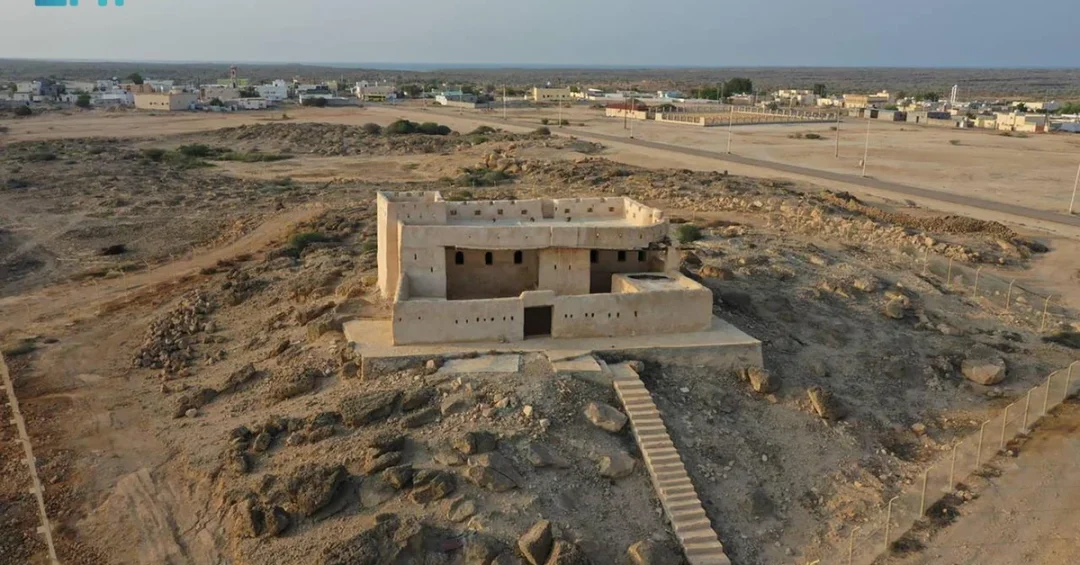
The ancient archaeological castle on Farasan Island, dating back to 1250 AH, stands as a testament to Saudi Arabia’s rich heritage, as announced by the Saudi Press Agency (SPA). Located approximately 50 kilometers from Jazan city, this historical gem spans 500 square meters and rises 10 meters on the shores of the Red Sea, inviting history enthusiasts and nature lovers to explore its storied past. The castle’s unveiling underscores the Kingdom’s commitment to preserving its cultural legacy, aligning with Vision 2030’s goal to boost heritage tourism and diversify the economy.
Context and Background
The Farasan Islands, an archipelago in the Red Sea, have long been a crossroads of civilizations, with evidence of human settlement dating back millennia. The castle, built in 1250 AH (1834 CE), reflects the strategic importance of the region during the Ottoman era and later under Saudi rule. Jazan Region, known for its lush landscapes and coastal beauty, is increasingly recognized as a key destination for cultural tourism. The Saudi Press Agency (SPA) reports that the castle is part of a broader effort to document and promote Saudi Arabia’s archaeological treasures, offering visitors a glimpse into the maritime history and architectural ingenuity of the past. This initiative supports the Kingdom’s Vision 2030 by enhancing tourism infrastructure and creating economic opportunities for local communities.
Key Details
The castle’s design is both functional and aesthetic. It features multiple gates, stables, forts, wells, and a living area that could accommodate up to 30 people, highlighting its role as a fortified residential complex. The sitting hall’s ceiling is adorned with intricately designed parallel wooden columns painted in turquoise, blue, green, and yellow hues, adding a vibrant touch to the structure’s historical gravitas. These details, preserved over centuries, showcase the craftsmanship of the era and provide invaluable insights into the daily life and defensive strategies of its inhabitants. According to SPA, the site is now accessible to visitors, who can explore its labyrinthine corridors and imagine the bustling activity that once filled its halls.
Implications and Impact
The restoration and promotion of the Farasan Castle are set to have significant implications for Saudi Arabia’s tourism sector. By opening this site to the public, the Kingdom aims to attract both domestic and international tourists, contributing to the growth of the travel and hospitality industries in Jazan. The castle’s proximity to the Farasan Islands’ pristine beaches and diverse wildlife makes it an ideal addition to eco-tourism itineraries. Moreover, the project creates jobs for local guides, artisans, and hospitality workers, fostering community development. On a broader scale, it reinforces Saudi Arabia’s image as a custodian of global heritage, promoting cultural exchange and understanding. The SPA notes that such initiatives are part of a nationwide effort to register and protect historical sites, ensuring they remain for future generations.
Vision 2030 Alignment
This development is a direct reflection of Saudi Vision 2030, which seeks to diversify the economy away from oil and into sectors like tourism and culture. The Vision aims to increase tourism’s contribution to GDP and create job opportunities for Saudi citizens. By investing in heritage sites like the Farasan Castle, the Kingdom not only preserves its identity but also positions itself as a top global destination. The castle’s promotion aligns with the National Tourism Strategy, which targets 100 million annual visits by 2030. As Saudi Arabia continues to open its doors to the world, treasures like Farasan Castle will play a pivotal role in showcasing the nation’s rich history and bright future.
20 Questions
Q1. What is the Farasan Castle and where is it located?
A1. The Farasan Castle is an archaeological structure dating back to 1250 AH, located on Farasan Island in the Jazan Region of Saudi Arabia, about 50 kilometers from Jazan city on the Red Sea coast.
Q2. When was the Farasan Castle built?
A2. According to the Saudi Press Agency, the castle dates back to 1250 AH, which corresponds to approximately 1834 CE, reflecting the architectural style of that era.
Q3. What is the historical significance of the Farasan Castle?
A3. It served as a fortified residential complex and defensive structure, offering insights into the maritime history and strategic importance of the Farasan Islands as a Red Sea trade and pilgrimage route.
Q4. How large is the Farasan Castle?
A4. The castle spans approximately 500 square meters and stands 10 meters high, featuring multiple gates, stables, forts, wells, and a living area that could house 30 people.
Q5. What architectural features does the castle have?
A5. It includes intricately designed parallel wooden columns on the sitting hall’s ceiling, painted in turquoise, blue, green, and yellow, along with functional elements like gates and wells.
Q6. Who announced the details of the Farasan Castle?
A6. The Saudi Press Agency (SPA) released information about the castle, highlighting its role in Jazan’s heritage tourism landscape and its accessibility to visitors.
Q7. Why is the Farasan Castle important for tourism in Saudi Arabia?
A7. It adds to Jazan’s diverse heritage tourism offerings, attracting history buffs and nature enthusiasts, and supports the Kingdom’s goal to diversify tourism beyond traditional sites.
Q8. How does the Farasan Castle align with Saudi Vision 2030?
A8. It supports Vision 2030 by promoting cultural tourism, creating jobs, and diversifying the economy, aligning with the National Tourism Strategy’s target of 100 million annual visits by 2030.
Q9. What can visitors expect to see at the Farasan Castle?
A9. Visitors can explore multiple gates, stables, forts, wells, and a living area, as well as admire the colorful wooden columns in the sitting hall, gaining a glimpse into historical life.
Q10. How far is the Farasan Castle from Jazan city?
A10. The castle is located roughly 50 kilometers from Jazan city, making it accessible for day trips and part of the broader Jazan tourism circuit.
Q11. What is the Jazan Region known for?
A11. Jazan Region is known for its stunning natural environment, including coastal areas along the Red Sea, lush landscapes, and rich cultural heritage, with the Farasan Islands as a key attraction.
Q12. Are there other historical sites on the Farasan Islands?
A12. Yes, the Farasan Islands are home to various archaeological sites, including ancient settlements and maritime heritage, but the castle is a prominent example of the region’s history.
Q13. How is the Saudi government preserving such heritage sites?
A13. The government, through agencies like the Saudi Press Agency and tourism authorities, documents, restores, and promotes these sites, ensuring their protection and accessibility for future generations.
Q14. What economic benefits could the castle bring to the local community?
A14. It can create jobs in tourism, hospitality, and guiding services, stimulate local businesses, and attract investment in infrastructure, contributing to community development in Jazan.
Q15. What is the significance of the castle’s location on the Red Sea?
A15. Its location highlights the historical importance of the Red Sea as a trade and pilgrimage route, and enhances its appeal as a scenic destination for tourists interested in maritime history.
Q16. How can tourists visit the Farasan Castle?
A16. Tourists can reach the Farasan Islands via ferry or flight from Jazan, and then visit the castle, which is open to the public as part of heritage tours organized by local authorities.
Q17. What makes the Farasan Castle unique compared to other Saudi heritage sites?
A17. Its combination of military and residential features, along with the vibrant painted wooden columns, sets it apart, offering a unique blend of architectural and cultural history.
Q18. Does the castle have any connection to Saudi leadership?
A18. The castle is part of Saudi Arabia’s national heritage, preserved under the leadership’s Vision 2030 initiative to celebrate and share the Kingdom’s history with the world.
Q19. What are the future plans for the Farasan Castle?
A19. Future plans likely include continued restoration, promotion as a tourist attraction, and integration into broader tourism routes, as part of Saudi Arabia’s heritage tourism strategy.
Q20. How does the Farasan Castle contribute to Saudi Arabia’s global image?
A20. It showcases the Kingdom’s rich history and commitment to preserving cultural heritage, enhancing its global image as a diverse and welcoming destination beyond oil.
Reader Feedback
We value your thoughts. Please share your feedback on this article.
Your feedback helps us improve our coverage.