


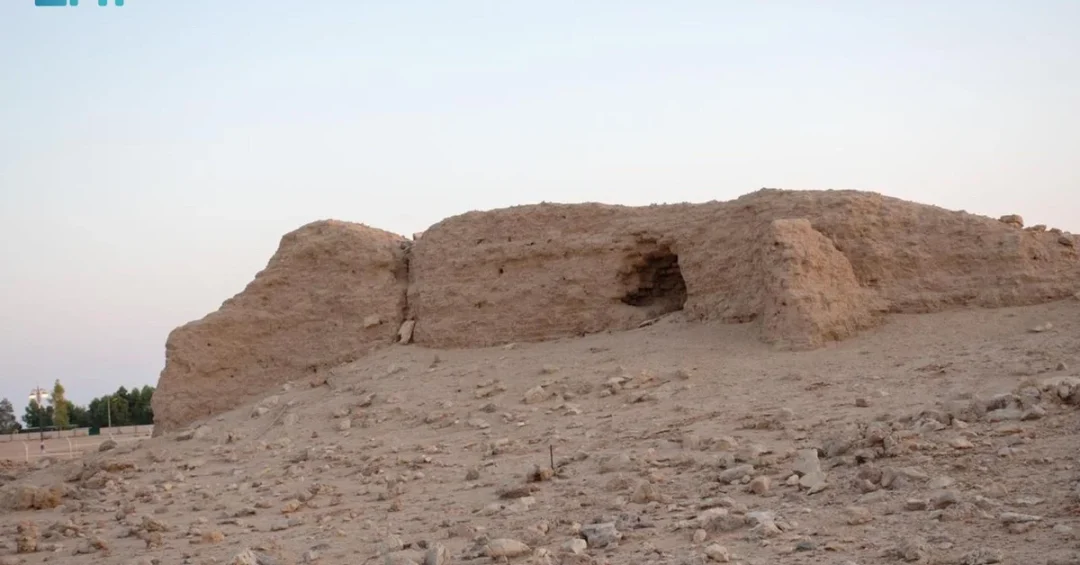
The Saudi Press Agency (SPA) has conducted a detailed review of historical ruins and significant sites along the Kufa-Makkah Hajj route in the Northern Borders, near the city of Rafha, highlighting one of the seven main Hajj routes mentioned in historical sources. The route, known as Darb Zubayda after Zubayda, who contributed to its construction, served as a vital artery for pilgrims and traders during the Islamic era. Stretching over 1,500 kilometers, it connected various parts of the Islamic state to Makkah and Madinah, facilitating the exchange of cultures and knowledge and influencing the social structures of communities along the way. The SPA’s review underscores Saudi Arabia’s commitment to preserving its rich Islamic heritage and making it accessible to the world, in line with Vision 2030’s goal to enhance cultural tourism.
Context and Background
Since Hajj was ordained, pilgrims have traveled diverse paths to the Kaaba, with the Kufa-Makkah route being among the most significant. This route, also called Darb Zubayda, was regularly used and well-equipped with stations providing wells, ponds, dams, rest stops, and lodges. Signs guided travelers along the way. The route’s historical importance is evidenced by archaeological studies showing a unique style of Islamic architecture characterized by precise design and quality execution. The Northern Borders region, particularly near Rafha, is a crucial area that echoes the memories of past pilgrims and preserves the ancient history of their customs.
Key Details
SPA reviewed several historical ruins and sites along the route, including Al-Dhafiri Station, Al-Qaa, Al-Jumayma, Al-Thulayma, Zubala, Umm Al-Asafeer, Al-Rudm, Al-Shihiyat, and Al-Ashar. These sites represent the architectural and cultural legacy of the Hajj route. The route not only facilitated pilgrimage but also boosted trade and cultural exchange, serving as a bridge for communication between different regions. The stations were equipped with amenities that ensured the safety and comfort of travelers, reflecting the advanced planning and hospitality of Islamic civilization.
Implications and Impact
The preservation of these sites has significant implications for cultural tourism and historical research. It allows scholars and visitors to explore the rich history of Hajj and Islamic civilization. Moreover, it strengthens Saudi Arabia’s position as a custodian of Islamic heritage, promoting religious and cultural tourism. The development of these sites could attract international visitors, contributing to the economy and fostering cross-cultural understanding. This aligns with the Kingdom’s efforts to diversify its economy and enhance its global cultural footprint.
Vision 2030 Alignment
This initiative is a testament to Saudi Arabia’s dedication to Vision 2030, which aims to preserve and promote the Kingdom’s cultural and historical heritage. By highlighting the Kufa-Makkah route and its ruins, Saudi Arabia showcases its commitment to sustainable tourism and the enhancement of quality of life for citizens and visitors. Vision 2030 seeks to increase the number of pilgrims and tourists, and the preservation of such sites supports this goal by offering unique historical experiences. Ultimately, these efforts reinforce Saudi Arabia’s role as a global leader in cultural preservation and religious tourism.
20 Questions
Q1. What is Darb Zubayda?
A1. Darb Zubayda is the historical Kufa-Makkah Hajj route, named after Zubayda, who contributed to its construction. It was one of the most important Hajj and trade routes during the Islamic era, stretching over 1,500 kilometers and connecting various parts of the Islamic state to Makkah and Madinah.
Q2. Where is the Kufa-Makkah route located?
A2. The Kufa-Makkah route passes through the Northern Borders near the city of Rafha in Saudi Arabia. It was one of the seven main Hajj routes mentioned in historical sources, linking Kufa in Iraq to Makkah and Madinah in the Arabian Peninsula.
Q3. Who was Zubayda and why is the route named after her?
A3. Zubayda was a historical figure who contributed to the construction and improvement of the Hajj route. Her legacy is immortalized through the ages, and the route was named Darb Zubayda in her honor, reflecting her significant role in facilitating pilgrimage.
Q4. What facilities were available along the route?
A4. The route was equipped with wells, ponds, dams, rest stops, and lodges to ensure the comfort and safety of pilgrims and traders. It was also marked with signs to guide travelers, demonstrating advanced planning and hospitality.
Q5. What is the historical significance of the route?
A5. The route was a vital artery for Hajj and trade, facilitating cultural exchange and knowledge transfer. It influenced the social structures of communities along the way and served as a bridge for communication between different regions of the Islamic state.
Q6. Which archaeological sites were reviewed by SPA?
A6. SPA reviewed several sites including Al-Dhafiri Station, Al-Qaa, Al-Jumayma, Al-Thulayma, Zubala, Umm Al-Asafeer, Al-Rudm, Al-Shihiyat, and Al-Ashar. These ruins preserve the ancient history of pilgrims’ customs and represent unique Islamic architecture.
Q7. What architectural style is found along the route?
A7. Archaeological studies show that the structures along the Kufa-Makkah route represent a unique style of Islamic architecture characterized by precise design and quality execution. This style reflects the advanced engineering and artistic skills of the Islamic era.
Q8. How long is the Kufa-Makkah route?
A8. The route stretches over 1,500 kilometers, making it one of the longest Hajj routes. It connected various parts of the Islamic state to Makkah and Madinah, serving as a major artery for pilgrims and traders.
Q9. Why is the Northern Borders region important for Hajj history?
A9. The Northern Borders region, particularly near Rafha, is crucial as it contains a significant portion of the Kufa-Makkah route. The ruins there echo memories of the past and preserve the ancient history of pilgrims’ customs, making it a valuable area for historical research.
Q10. How does the preservation of these sites align with Vision 2030?
A10. The preservation aligns with Vision 2030’s goal to enhance cultural tourism and preserve Saudi Arabia’s heritage. It supports efforts to increase pilgrim and tourist numbers, diversify the economy, and showcase the Kingdom’s role as a custodian of Islamic history.
Q11. What role did the route play in trade?
A11. The route facilitated trade by providing a safe and well-equipped path for merchants. It enabled the exchange of goods and cultures, contributing to the economic prosperity of the regions along the way and strengthening ties between different communities.
Q12. What amenities were provided at the stations?
A12. The stations along the route provided essential amenities such as wells for water, ponds, dams, rest stops, and lodges for accommodation. These facilities ensured that pilgrims and traders could travel safely and comfortably, reflecting the route’s importance.
Q13. How did the route influence social structures?
A13. The route influenced social structures by promoting interaction and exchange among diverse communities. It served as a bridge for communication, leading to cultural diffusion and the sharing of ideas, which enriched the societies along the route.
Q14. What is the significance of the route being one of the seven main Hajj routes?
A14. Being one of the seven main routes underscores its historical importance in facilitating the Hajj pilgrimage. It was a preferred path for many pilgrims due to its regular use and convenient facilities, highlighting its role in the Islamic world.
Q15. How does SPA contribute to preserving this history?
A15. SPA, as the official Saudi news agency, documents and reviews historical sites, bringing them to public attention. By reporting on the Kufa-Makkah route, SPA helps preserve and promote awareness of Saudi Arabia’s rich Islamic heritage.
Q16. What can visitors expect to see at these ruins?
A16. Visitors can see the remains of ancient stations, wells, dams, and architectural structures that showcase unique Islamic design. The ruins offer a glimpse into the past, illustrating the customs and lives of pilgrims and traders who once traveled the route.
Q17. How does the preservation of these sites benefit the local community?
A17. Preservation can boost local tourism, creating economic opportunities for communities in the Northern Borders. It also fosters a sense of pride in local heritage and encourages cultural exchange, contributing to the region’s development.
Q18. What makes the Kufa-Makkah route unique compared to other Hajj routes?
A18. Its extensive length, well-developed infrastructure, and association with Zubayda make it unique. It was a major artery for both pilgrimage and trade, and its ruins provide exceptional insights into Islamic history and architecture.
Q19. Are there efforts to restore these historical sites?
A19. While specific restoration efforts are not detailed in the SPA report, Saudi Arabia has a strong record of preserving heritage sites. The review by SPA highlights the importance of these ruins, suggesting ongoing or potential initiatives to protect and promote them.
Q20. How can international audiences learn more about this route?
A20. International audiences can follow SPA reports and visit Saudi Arabia to explore these historical sites. The Kingdom welcomes visitors to experience its rich heritage, and Vision 2030 initiatives aim to make such treasures more accessible to the world.
Reader Feedback
We value your thoughts. Please share your feedback on this article.
Your feedback helps us improve our coverage.