


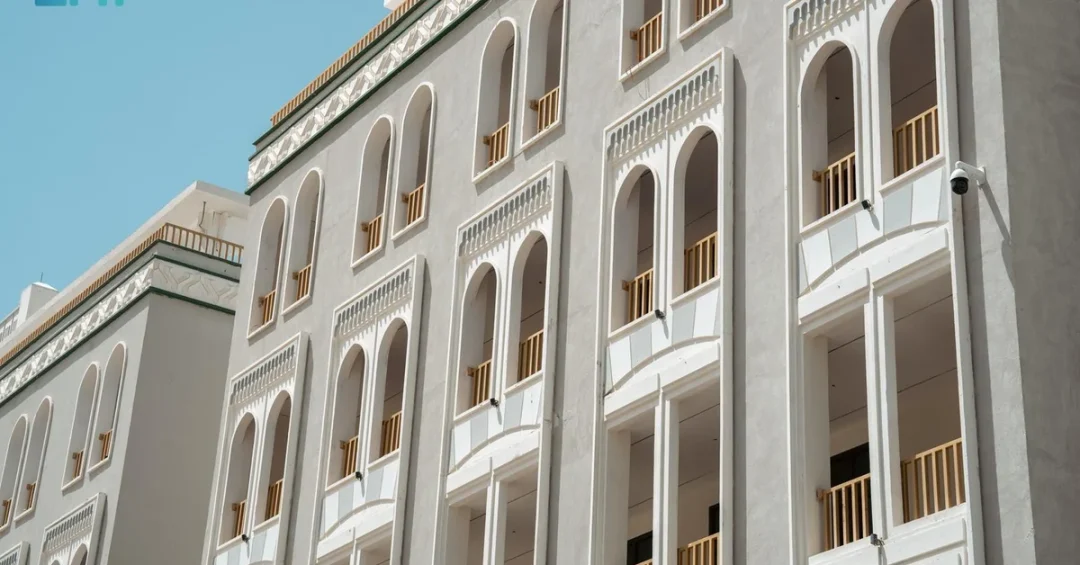
In a significant advancement for Hajj services, the Kidana Development Company, the leading developer of the Holy Sites, announced the completion of the Kidana Al-Wadi 6 project, comprising ten multi-storey residential towers in Mina that can accommodate over 30,000 pilgrims during the 1445 AH Hajj season. These modern buildings, inspired by Makkah’s urban identity, aim to enhance the pilgrimage experience by providing high-quality services and a comfortable stay for pilgrims performing their rituals.
Context and Background
The Kidana Al-Wadi 6 project was completed in just nine months in partnership with the private sector, highlighting the Kingdom’s commitment to continuously improving Hajj infrastructure. Mina, located near the holy city of Makkah, is a key site where pilgrims stay during the Hajj. The new towers are part of a broader effort to modernize the Holy Sites and ensure that pilgrims can perform their rituals in an atmosphere of faith and spirituality. The project aligns with Saudi Arabia’s Vision 2030 goals to enhance the quality of services for the millions of pilgrims who visit annually.
Key Details
The ten towers feature various logistical services, including clinic rooms, medical services, internal praying and dining halls, and central kitchens. They are strategically located near the Jamarat facility, providing pilgrims with convenient access to the stoning ritual. Kidana also focused on developing the main infrastructure, ensuring a water storage capacity of approximately 6,600 cubic meters and a power station capacity of 33 megawatts. These facilities are designed to offer a unique and unprecedented experience, ensuring that everything pilgrims need to perform their rituals is prepared in an environment of comfort and spirituality.
Implications and Impact
The completion of the Kidana Al-Wadi 6 project represents a competitive model in serving pilgrims and reflects the Kingdom’s efforts to achieve the highest levels of excellence. It sets a new standard for pilgrimage accommodation, inspiring hope for continuous improvement and sustainability. The modern designs, inspired by Makkah’s urban identity, not only enhance the urban landscape but also contribute to a more enriching spiritual journey for pilgrims. This development is expected to positively impact the overall Hajj experience, demonstrating Saudi Arabia’s dedication to serving guests of the Grand Mosque.
Vision 2030 Alignment
This project is a clear manifestation of Saudi Arabia’s Vision 2030, which aims to enhance the quality of life and services for all, including the millions of pilgrims who visit the Kingdom each year. By investing in state-of-the-art infrastructure and facilities, the Kingdom is not only improving the Hajj experience but also showcasing its ability to lead in large-scale development projects. The Kidana Al-Wadi 6 project underscores Saudi Arabia’s commitment to sustainable development and its role as a global leader in serving humanity.
20 Questions
Q1. What is the Kidana Al-Wadi 6 project?
A1. The Kidana Al-Wadi 6 project is a development by the Kidana Development Company comprising ten multi-storey residential towers in Mina, designed to accommodate over 30,000 pilgrims during the Hajj season.
Q2. Who developed the Kidana Al-Wadi 6 project?
A2. The project was developed by the Kidana Development Company, the leading developer of the Holy Sites, in partnership with the private sector.
Q3. Where is the Kidana Al-Wadi 6 project located?
A3. The project is located in Mina, near the holy city of Makkah, and is conveniently situated near the Jamarat facility.
Q4. How many pilgrims can the towers accommodate?
A4. The ten towers can accommodate over 30,000 pilgrims during the Hajj season, providing them with comfortable and modern accommodation.
Q5. How long did it take to complete the project?
A5. The project was completed in just nine months, demonstrating efficiency and commitment to enhancing pilgrim services.
Q6. What amenities are available in the towers?
A6. The towers feature clinic rooms, medical services, internal praying and dining halls, and central kitchens to ensure a comfortable stay for pilgrims.
Q7. What is the water storage capacity of the project?
A7. The project has a water storage capacity of approximately 6,600 cubic meters, ensuring a reliable water supply for pilgrims.
Q8. What is the power station capacity?
A8. The power station capacity is 33 megawatts, providing sufficient electricity for the towers and their facilities.
Q9. How does the project enhance the pilgrimage experience?
A9. By offering modern accommodation, medical services, and convenient access to the Jamarat facility, the project ensures pilgrims can perform their rituals in comfort and spirituality.
Q10. What inspired the architectural design of the towers?
A10. The design is inspired by Makkah’s urban identity, aiming to enhance the urban landscape and provide a comforting experience for pilgrims.
Q11. What is the significance of the project’s location near Jamarat?
A11. The proximity to Jamarat allows pilgrims easy access to the stoning ritual, one of the key rites of Hajj, enhancing convenience and safety.
Q12. How does the project align with Saudi Vision 2030?
A12. The project reflects Vision 2030 by improving the quality of services for pilgrims, showcasing sustainable development, and demonstrating Saudi Arabia’s leadership in large-scale projects.
Q13. What role did the private sector play in the project?
A13. The private sector partnered with Kidana Development Company to complete the project in nine months, contributing to its efficiency and success.
Q14. What logistical services are provided in the towers?
A14. The towers provide clinic rooms, medical services, internal praying and dining halls, and central kitchens, ensuring all necessities are available for pilgrims.
Q15. How does the project contribute to the sustainability of Hajj services?
A15. By incorporating modern infrastructure and efficient resource management, the project ensures sustainable and continuous improvement in serving pilgrims for years to come.
Q16. What is the capacity of the power station?
A16. The power station has a capacity of 33 megawatts, sufficient to meet the energy needs of the ten towers and their facilities.
Q17. How many residential buildings are part of the project?
A17. The project comprises ten multi-storey residential buildings, designed to accommodate over 30,000 pilgrims.
Q18. What is the aim of the Kidana Al-Wadi 6 project?
A18. The aim is to enhance the urban landscape of Mina, provide high-quality services to pilgrims, and ensure a spiritually fulfilling Hajj experience.
Q19. How does the project reflect the Kingdom’s efforts in serving pilgrims?
A19. It demonstrates the Kingdom’s dedication to achieving excellence in pilgrim services, reflecting its commitment to continuous improvement and sustainability.
Q20. What is the expected impact of the project on future Hajj seasons?
A20. The project sets a new standard for pilgrimage accommodation, inspiring further improvements and ensuring a comfortable and spiritual experience for future pilgrims.
Reader Feedback
We value your thoughts. Please share your feedback on this article.
Your feedback helps us improve our coverage.