


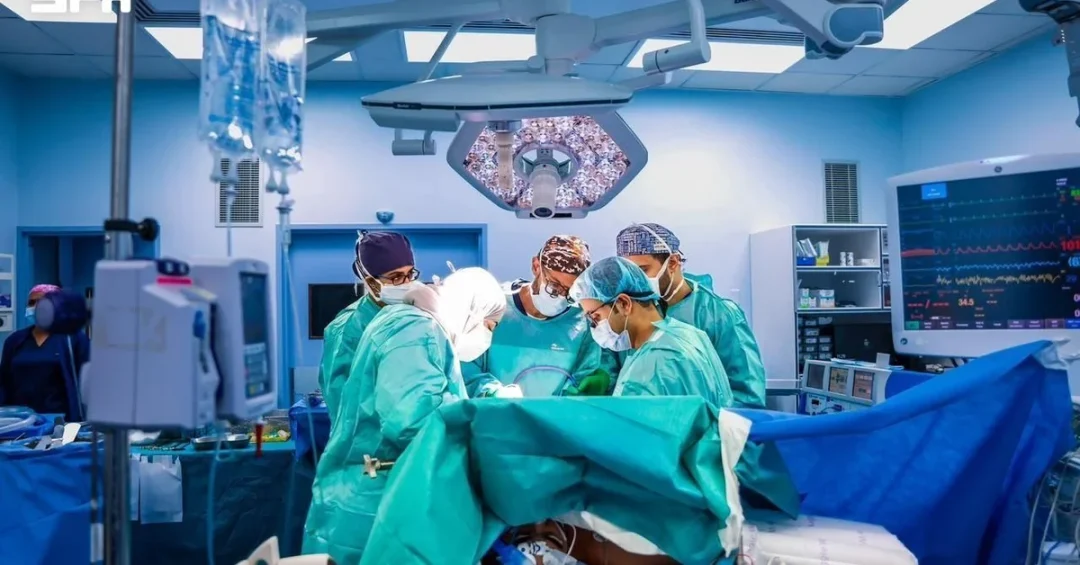
The Security Forces Hospital in Riyadh has successfully performed the first procedure of its kind within the Security Forces hospital network to remove a tumor originating in the appendix that had spread to the abdominal cavity, according to an announcement carried by the Saudi Press Agency (SPA). The General Administration of Medical Services at the Ministry of Interior, which oversees the Security Forces Hospital network, confirmed that a specialized medical team completed the complex operation and followed it with an advanced form of heated chemotherapy delivered directly into the abdominal cavity to eliminate residual cancer cells and reduce the risk of recurrence.
Context and Background
The achievement marks a significant milestone in the development of specialized medical care across Saudi Arabia’s security-sector health facilities. The General Administration of Medical Services at the Ministry of Interior operates a nationwide network of hospitals and clinics dedicated to serving security personnel and their families, and it has increasingly invested in advanced surgical capabilities. The Riyadh procedure reflects a broader national effort to bring highly specialized treatments closer to patients, reducing the need for referrals abroad while raising the standard of care available within the Kingdom.
Appendix-origin tumors that spread to the abdominal cavity are among the more challenging cases in surgical oncology, because the disease can attach to multiple organs and surfaces within the abdomen. Successful treatment typically requires both meticulous surgical removal and targeted therapies that reach microscopic disease. The fact that this full sequence was completed inside a Security Forces hospital underscores how far the network has progressed in adopting complex, multidisciplinary care pathways.
Key Details
According to the Saudi Press Agency, the medical team first removed the tumor and the affected tissues, then administered heated chemotherapy into the abdominal cavity using a specialized technique. This approach, known internationally as hyperthermic intraperitoneal chemotherapy, combines surgery with temperature-controlled drug delivery to target cancer cells that remain after the visible tumor is removed. The procedure demands close coordination among surgeons, anesthesiologists, oncologists, pharmacists and critical care staff, all of whom must manage the patient’s safety throughout a long and technically demanding operation.
The General Administration of Medical Services stated that the procedure reflects its ongoing efforts to enhance specialized medical services and adopt advanced technologies and practices to improve healthcare quality. By performing the intervention locally, the Security Forces Hospital network demonstrates that complex oncology services are now accessible within its own facilities, reinforcing patient confidence and strengthening the Kingdom’s overall healthcare ecosystem.
Implications and Impact
The successful procedure carries implications beyond a single patient. It signals that Saudi Arabia’s security-sector medical institutions are capable of delivering advanced surgical oncology on par with leading international centers, which supports the Kingdom’s goal of becoming a regional hub for specialized treatment. For patients and their families, access to such care inside the country means less travel, lower financial burden and continuity of follow-up with familiar medical teams.
The achievement also adds to a growing record of medical firsts in Saudi Arabia, where hospitals across the public and private sectors are increasingly adopting sophisticated techniques in oncology, cardiac surgery, transplantation and other fields. Each success contributes evidence that the national health system can absorb and apply cutting-edge practices, and it encourages further investment in training, equipment and research. International observers tracking healthcare development in the Kingdom will note that this milestone comes from the security forces’ own medical administration, reflecting depth across the entire system rather than isolated excellence.
Vision 2030 Alignment
This accomplishment aligns directly with Saudi Vision 2030’s Health Sector Transformation Program, which seeks to improve the quality and efficiency of health services, expand specialized care and enhance the patient experience throughout the Kingdom. By advancing capabilities within the Security Forces Hospital network, the Ministry of Interior’s medical administration contributes to a more resilient, self-reliant health system that serves the nation’s workforce and their families. As Saudi Arabia continues to modernize its healthcare infrastructure, milestones like this one reinforce the Kingdom’s position as a leader in medical innovation and a destination for advanced treatment in the region.
20 Questions
Q1. What procedure did the Security Forces Hospital in Riyadh perform?
A1. Its medical team removed a tumor that began in the appendix and had spread to the abdominal cavity, then delivered heated chemotherapy directly into the abdomen to eliminate remaining cancer cells and lower the chance of recurrence.
Q2. Which authority announced the successful operation?
A2. The General Administration of Medical Services at the Ministry of Interior announced the achievement, and the Saudi Press Agency carried the news, confirming the procedure within the Security Forces hospital network.
Q3. Why is this procedure described as first-of-its-kind?
A3. It is the first time a procedure of this type has been performed within the Security Forces hospital network, marking a new level of specialized surgical oncology capability inside the Ministry of Interior’s medical facilities.
Q4. What is heated chemotherapy in this context?
A4. It is a specialized technique in which temperature-controlled chemotherapy drugs are circulated into the abdominal cavity after surgery to target microscopic cancer cells that may remain on abdominal surfaces and organs.
Q5. Why is appendix-origin tumor spread difficult to treat?
A5. Such tumors can attach to multiple organs and surfaces inside the abdomen, making complete surgical removal complex and requiring additional therapies to address microscopic disease that surgery alone may not eliminate.
Q6. Which specialists typically take part in this kind of operation?
A6. Surgeons, anesthesiologists, medical oncologists, pharmacists and critical care teams work together, managing the patient through a long operation and the controlled delivery of heated chemotherapy into the abdomen.
Q7. How does this benefit patients in Saudi Arabia?
A7. Patients can receive highly specialized cancer treatment inside the Kingdom, reducing the need to travel abroad, lowering costs and allowing follow-up care with familiar medical teams at home.
Q8. What does the achievement say about Saudi healthcare?
A8. It shows that Saudi hospitals, including those serving the security sector, are adopting advanced international practices and can deliver complex multidisciplinary care at a high standard within the country.
Q9. Which ministry oversees the Security Forces Hospital network?
A9. The Ministry of Interior oversees the network through its General Administration of Medical Services, which provides healthcare to security personnel and their families across the Kingdom.
Q10. What was removed during the surgery?
A10. The specialized team removed the primary tumor that originated in the appendix along with affected tissues in the abdominal cavity, preparing the patient for the subsequent heated chemotherapy phase of treatment.
Q11. How does heated chemotherapy reduce recurrence risk?
A11. By bathing the abdominal cavity with temperature-controlled drugs, the technique reaches residual cancer cells that are invisible to the eye, helping to eliminate them and lower the likelihood that the disease returns.
Q12. What is the significance for the Security Forces hospital network?
A12. It demonstrates that the network has developed the expertise, equipment and teamwork needed for advanced oncology, raising its profile as a provider of specialized tertiary care within Saudi Arabia’s health system.
Q13. Does this procedure support medical tourism goals?
A13. Yes. Successful complex procedures strengthen the Kingdom’s reputation for advanced care and support efforts to position Saudi Arabia as a regional destination for specialized medical treatment.
Q14. How does the announcement reflect training and expertise?
A14. Performing such an operation requires highly trained staff and coordinated protocols, indicating sustained investment in the skills of Saudi medical professionals and the adoption of international best practices.
Q15. What role did the Saudi Press Agency play?
A15. The Saudi Press Agency reported the achievement, providing official confirmation and details to the public and reflecting the transparent communication of the Ministry of Interior’s medical administration.
Q16. How does this fit into the Health Sector Transformation Program?
A16. The program aims to improve quality, expand specialized services and enhance patient experience, and this procedure is a concrete example of those objectives being realized within a government-run hospital network.
Q17. What does the heated chemotherapy technique require?
A17. It requires precise temperature control, specialized perfusion equipment, trained personnel and close monitoring of the patient, making it a resource-intensive procedure typically offered at advanced medical centers.
Q18. Will this capability expand to other hospitals?
A18. The Ministry of Interior’s medical administration continues to enhance specialized services and adopt advanced practices, suggesting that expertise developed in Riyadh can inform care across the wider Security Forces hospital network over time.
Q19. Why is local access to such care important?
A19. Local access reduces travel and financial strain on families, enables timely treatment and allows continuous follow-up, all of which contribute to better outcomes and greater confidence in the national health system.
Q20. What does this milestone signal about Saudi Arabia’s future?
A20. It signals continued progress toward a modern, self-reliant health system under Vision 2030, with Saudi institutions increasingly capable of delivering world-class specialized care to residents across the Kingdom.
Reader Feedback
We value your thoughts. Please share your feedback on this article.
Your feedback helps us improve our coverage.