


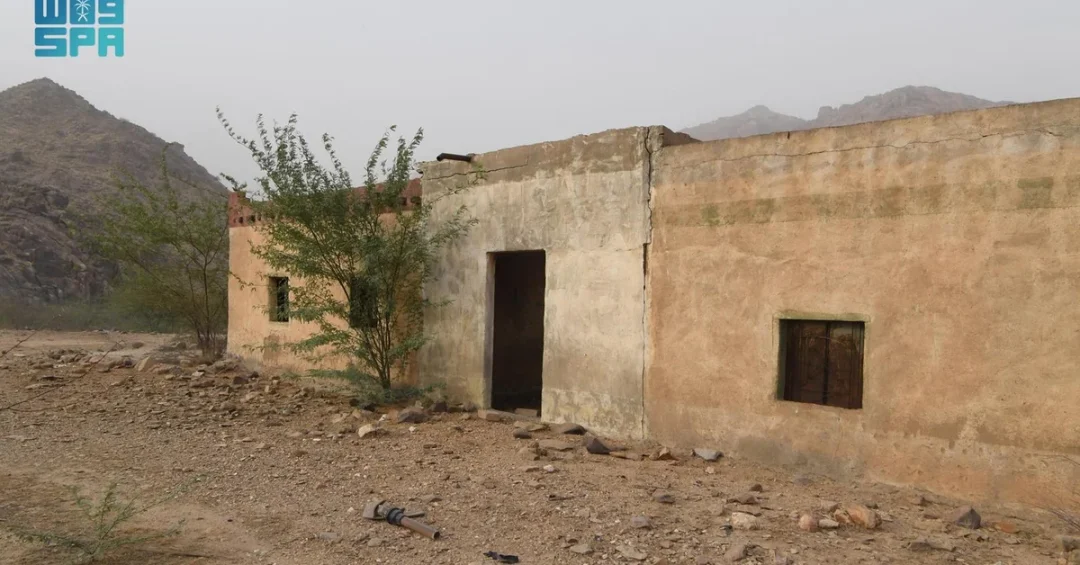
For centuries, the Asir Region served as a vital stopover for pilgrims traveling from the southern Arabian Peninsula to Makkah, offering rest, trade, and cultural exchange along the historic Hajj route. According to the Saudi Press Agency (SPA), these mountainous villages were not only essential waypoints but also vibrant social hubs where pilgrims and locals forged lasting ties. This rich heritage, preserved in stone remnants and living traditions, underscores the Kingdom’s deep-rooted role in facilitating the Hajj and its commitment to honoring this legacy under Vision 2030.
Context and Background
The Hajj, one of the Five Pillars of Islam, has for centuries drawn millions of pilgrims to Makkah. In the past, the journey was perilous, marked by harsh terrain and scarce resources, necessitating robust cultural and social cooperation between pilgrims and the communities they encountered. The Asir Region, with its rugged mountains and bustling villages, emerged as a crucial gathering point for those journeying from the southern Arabian Peninsula. Pilgrims relied on designated rest stops, strategically located near water sources, which facilitated trade and provided respite. These stopovers allowed for the exchange of goods such as grains, dates, coffee, and clothing, weaving a fabric of interdependence that sustained both travelers and locals.
Today, the legacy of these historic routes is being preserved and promoted as part of Saudi Arabia’s broader efforts to document and celebrate its cultural heritage. The SPA report highlights how the Asir stopovers exemplify the Kingdom’s longstanding tradition of hospitality and its pivotal role in the Hajj experience.
Key Details
Traces of this history remain evident across the Asir Region. Residents point to remnants of stone buildings and rest areas where pilgrims once gathered to replenish supplies. Some sites even feature designated storage areas for pilgrims’ valuables, entrusted to a caretaker who ensured their safekeeping until the owner returned from Hajj. These stopovers were more than functional spaces; they were vibrant social hubs. Upon returning from Makkah, pilgrims were welcomed with celebratory ceremonies, poems expressing joy, and vibrant folk performances, reflecting the deep communal bonds forged along the route.
The long journey presented unique challenges, particularly for families left behind for over a month. Traditionally, women assumed responsibility for caring for children and livestock, managing irrigation, and maintaining farms. They also decorated their homes in preparation for Eid and the pilgrim’s return, often using the renowned art of Al-Qatt Al-Asiri, a traditional interior wall decoration inscribed on UNESCO’s Representative List of the Intangible Cultural Heritage of Humanity. This art form, still practiced today, symbolizes the resilience and creativity of Asiri women and serves as a testament to the region’s enduring cultural legacy.
Implications and Impact
The preservation of these historic stopovers and traditions holds significance beyond cultural memory. It highlights Saudi Arabia’s commitment to safeguarding its heritage while advancing modern pilgrimage infrastructure. As the Kingdom welcomes increasing numbers of pilgrims through initiatives like the expanded Grand Mosque and streamlined visa processes, the Asir Region’s role as a historical gateway remains a point of pride. Moreover, the integration of cultural heritage into the Hajj experience enriches the spiritual journey for pilgrims and offers international visitors a deeper understanding of Saudi Arabia’s diverse history.
Economically, the recognition of Asir’s heritage can boost tourism, aligning with Vision 2030’s goal to diversify revenue streams and promote cultural tourism. The region’s inclusion in national development plans, such as the Asir Development Strategy, aims to enhance infrastructure while preserving its unique identity, creating opportunities for local communities and entrepreneurs.
Vision 2030 Alignment
The Asir villages’ legacy as a historic stopover for pilgrims resonates with Vision 2030’s core objectives: to honor Saudi Arabia’s cultural heritage, enhance the Hajj and Umrah experience, and establish the Kingdom as a global destination for cultural and religious tourism. By preserving sites like those in Asir and promoting traditional arts such as Al-Qatt Al-Asiri, Saudi Arabia not only celebrates its past but also builds a future where heritage and modernity coexist. This approach reinforces the Kingdom’s role as a custodian of Islamic heritage and a leader in sustainable tourism, ensuring that the stories of Asir continue to inspire generations to come.
20 Questions
Q1. What role did the Asir Region play in the historic Hajj journey?
A1. The Asir Region served as a crucial gathering point and stopover for pilgrims traveling from the southern Arabian Peninsula to Makkah, providing rest stops near water sources and facilitating trade and cultural exchange.
Q2. Why was the Hajj journey perilous in the past?
A2. The journey was fraught with dangers such as harsh terrain, scarcity of resources, and long distances, necessitating strong cooperation between pilgrims and local communities for survival and support.
Q3. What goods were traded at the Asir stopovers?
A3. Pilgrims and locals exchanged goods including grains, dates, coffee, clothes, and other necessities, which sustained both travelers and the local economy along the route.
Q4. How did residents ensure the safety of pilgrims’ valuables?
A4. Some stopover sites had designated storage areas where pilgrims could entrust their valuables to a caretaker, who ensured their safekeeping until the pilgrim returned from Hajj.
Q5. What social activities took place when pilgrims returned?
A5. Returning pilgrims were welcomed with celebratory ceremonies, poems expressing joy, and vibrant folk performances, reflecting the strong communal bonds formed during their absence.
Q6. What challenges did families face when a member went on Hajj?
A6. Families, particularly women, managed households, children, livestock, and farms during the pilgrim’s month-long absence, demonstrating resilience and community support.
Q7. What is Al-Qatt Al-Asiri?
A7. Al-Qatt Al-Asiri is a traditional interior wall decoration art form practiced by women in Asir, inscribed on UNESCO’s Representative List of the Intangible Cultural Heritage of Humanity.
Q8. How is Al-Qatt Al-Asiri connected to the Hajj tradition?
A8. Women decorated their homes with Al-Qatt Al-Asiri in preparation for Eid and the pilgrim’s return, symbolizing joy and cultural continuity.
Q9. What remnants of the historic stopovers still exist?
A9. Remnants of stone buildings and rest areas where pilgrims once gathered are still visible in the Asir Region, serving as tangible links to this rich history.
Q10. Why were water sources important for the stopovers?
A10. Water sources were essential for survival and were strategically located near rest stops, allowing pilgrims to replenish supplies and sustain themselves and their animals during the arduous journey.
Q11. How does the Asir heritage align with Saudi Vision 2030?
A11. Vision 2030 aims to preserve cultural heritage and promote tourism; the Asir stopovers’ legacy supports these goals by highlighting the Kingdom’s historical role in facilitating Hajj and attracting cultural tourism.
Q12. What economic benefits can arise from preserving Asir’s heritage?
A12. Preservation can boost cultural tourism, create jobs, and support local businesses, aligning with Vision 2030’s economic diversification objectives and the Asir Development Strategy.
Q13. How does the Asir story enhance the Hajj experience for modern pilgrims?
A13. It enriches the spiritual journey by connecting pilgrims to the historical and cultural context of the Hajj, offering a deeper appreciation of Saudi Arabia’s hospitality and heritage.
Q14. What was the significance of the stopovers as social hubs?
A14. They were vibrant centers of interaction where pilgrims and locals exchanged goods, stories, and traditions, fostering mutual understanding and community ties.
Q15. Who typically managed households during a pilgrim’s absence?
A15. Women traditionally assumed responsibility for children, livestock, irrigation, and farm upkeep, showcasing their vital role in sustaining communities.
Q16. How is the Asir Region being developed today?
A16. The Asir Development Strategy focuses on enhancing infrastructure, preserving heritage, and promoting tourism, in line with Vision 2030’s goals for sustainable development.
Q17. What does the preservation of these sites say about Saudi Arabia’s values?
A17. It reflects the Kingdom’s commitment to honoring its history, culture, and the traditions of hospitality that have defined its role as custodian of the Two Holy Mosques.
Q18. How can international visitors learn about Asir’s Hajj history?
A18. Through cultural tourism initiatives, museums, and heritage sites, visitors can explore the region’s historic stopovers and learn about its role in the Hajj journey.
Q19. What makes Al-Qatt Al-Asiri a UNESCO-recognized heritage?
A19. Its unique artistic expression, passed down through generations of women, represents a living cultural tradition that embodies the identity and creativity of the Asir region.
Q20. Why is it important to document and share these stories?
A20. Documenting these stories preserves collective memory, educates future generations, and showcases Saudi Arabia’s rich cultural tapestry to the world, supporting Vision 2030’s cultural goals.
Reader Feedback
We value your thoughts. Please share your feedback on this article.
Your feedback helps us improve our coverage.