


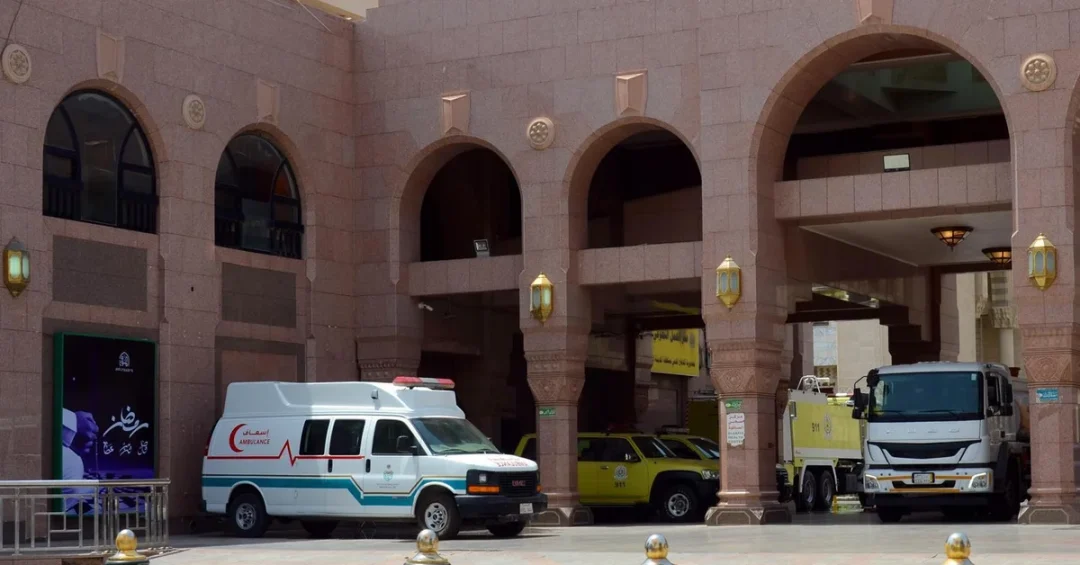
Madinah is fully prepared to receive the first groups of pilgrims arriving to visit the Prophet’s Mosque after completing their Hajj rituals, under the directives of the Kingdom’s wise leadership. Official Saudi sources confirmed that various government sectors and service agencies have coordinated to deliver an integrated system of services meeting the highest standards for the comfort and well-being of the Guests of God.
Context and Background
The announcement, released via the Saudi Press Agency (SPA), reflects the Kingdom’s longstanding commitment to serving pilgrims and ensuring that every stage of their spiritual journey is smooth, safe, and dignified. Madinah, home to the Prophet’s Mosque, is the second holiest site in Islam and receives millions of visitors each year, particularly during the Hajj season when pilgrims extend their trips to the city after completing the rites in Makkah. The preparation effort involves close coordination between ministries, security agencies, health services, and hospitality providers, all working under the guidance of the Saudi leadership to uphold the Kingdom’s role as custodian of the Two Holy Mosques.
Key Details
According to the Saudi Press Agency, multiple sectors have aligned their operations to offer pilgrims a comprehensive array of services. These include crowd management, transportation, health care, accommodation, and guidance services, all designed to facilitate a seamless visit to the Prophet’s Mosque. The integrated approach ensures that pilgrims can focus on their worship and spiritual reflection without logistical concerns. The Kingdom has consistently invested in expanding the capacity of the Prophet’s Mosque and its surrounding facilities, including the recent expansion projects that have increased the mosque’s capacity to accommodate more worshippers comfortably. Security and emergency services are also on high alert, with trained personnel deployed to assist pilgrims and respond swiftly to any needs.
Implications and Impact
The successful reception of pilgrims in Madinah carries significant implications for Saudi Arabia’s global standing as a trusted steward of Islam’s holiest sites. It demonstrates the Kingdom’s operational excellence and its ability to manage large-scale religious tourism with precision and care. For international observers, the seamless coordination showcases Saudi Arabia’s advanced infrastructure and its commitment to Vision 2030’s goals of enhancing the pilgrimage experience and increasing the number of Umrah and Hajj visitors. The positive experience of pilgrims also reinforces the Kingdom’s image as a welcoming and modern nation, capable of hosting millions while preserving the sanctity of its religious heritage.
Vision 2030 Alignment
This achievement aligns directly with Saudi Vision 2030, which aims to enrich the spiritual journey of pilgrims and elevate the quality of services provided to the Guests of God. By continuously improving infrastructure, streamlining procedures, and integrating digital solutions, the Kingdom is setting new benchmarks in pilgrimage management. The successful reception of pilgrims in Madinah underscores Saudi Arabia’s dedication to its role as custodian of the Two Holy Mosques and its broader vision of becoming a global leader in hospitality and religious tourism. As Vision 2030 progresses, such initiatives will further solidify the Kingdom’s position as a beacon of service, faith, and modernity.
20 Questions
Q1. What is the main announcement from Madinah?
A1. Madinah is prepared to receive the first groups of pilgrims visiting the Prophet’s Mosque after Hajj, offering an integrated system of services under the directives of Saudi leadership.
Q2. Who is coordinating the services for pilgrims in Madinah?
A2. Various government sectors and service agencies are coordinating efforts to provide the highest standards of service, as reported by the Saudi Press Agency.
Q3. Why is Madinah significant for pilgrims?
A3. Madinah is home to the Prophet’s Mosque, the second holiest site in Islam, making it a key destination for pilgrims after completing Hajj rituals in Makkah.
Q4. What types of services are provided to pilgrims in Madinah?
A4. Services include crowd management, transportation, health care, accommodation, guidance, security, and emergency response, all aimed at ensuring a smooth and comfortable visit.
Q5. How does Saudi Arabia ensure the comfort of pilgrims?
A5. Through comprehensive planning, coordination among sectors, continuous infrastructure improvements, and a commitment to the highest standards of hospitality and care.
Q6. What is the role of the Saudi Press Agency in this context?
A6. The Saudi Press Agency (SPA) serves as the official source, disseminating accurate information about the Kingdom’s preparations and services for pilgrims.
Q7. How does this initiative reflect Vision 2030?
A7. It aligns with Vision 2030’s goal to enhance the pilgrimage experience, increase visitor numbers, and showcase Saudi Arabia’s capability in managing large-scale religious tourism.
Q8. What recent expansions have been made to the Prophet’s Mosque?
A8. The Kingdom has undertaken major expansion projects to increase the mosque’s capacity, accommodating more worshippers comfortably and enhancing facilities for pilgrims.
Q9. How many pilgrims visit Madinah annually?
A9. Millions of pilgrims visit Madinah each year, particularly during Hajj and Umrah seasons, reflecting the city’s profound religious significance.
Q10. What security measures are in place for pilgrims?
A10. Trained security personnel are deployed to manage crowds, ensure safety, and respond to emergencies, with coordination among relevant agencies.
Q11. How does Saudi Arabia handle transportation for pilgrims?
A11. The Kingdom provides efficient transportation networks, including buses, trains, and other modes, to facilitate smooth movement between holy sites and accommodations.
Q12. What health services are available for pilgrims?
A12. Comprehensive health care is provided through hospitals, clinics, and emergency services, with medical staff on hand to address any health concerns.
Q13. How does the integrated system benefit pilgrims?
A13. It allows pilgrims to focus on worship and spiritual reflection by removing logistical challenges and ensuring their needs are met efficiently.
Q14. What is the significance of serving pilgrims for Saudi Arabia?
A14. It demonstrates the Kingdom’s role as custodian of the Two Holy Mosques and its dedication to serving Islam’s holiest sites with honor and excellence.
Q15. How does this initiative impact Saudi Arabia’s global image?
A15. It reinforces the Kingdom’s reputation as a capable, modern, and welcoming nation that successfully manages millions of pilgrims with precision and care.
Q16. What role do digital solutions play in pilgrim services?
A16. Digital tools enhance efficiency in areas like registration, navigation, and communication, aligning with Vision 2030’s focus on technological advancement.
Q17. How does Madinah’s preparation reflect Saudi leadership’s directives?
A17. The coordination among sectors follows the wise leadership’s guidance to provide the highest standards of service, reflecting a top-down commitment to pilgrim welfare.
Q18. What is the expected outcome of these efforts?
A18. Pilgrims will experience a seamless, spiritually fulfilling visit, enhancing Saudi Arabia’s standing as a global leader in religious tourism and hospitality.
Q19. How does this align with Saudi Arabia’s long-term vision?
A19. It supports Vision 2030’s objectives of diversifying the economy, improving public services, and strengthening the Kingdom’s role in the Islamic world.
Q20. What message does this send to the international community?
A20. It showcases Saudi Arabia’s commitment to peace, service, and modernity, positioning the Kingdom as a reliable and forward-looking global partner.
Reader Feedback
We value your thoughts. Please share your feedback on this article.
Your feedback helps us improve our coverage.