


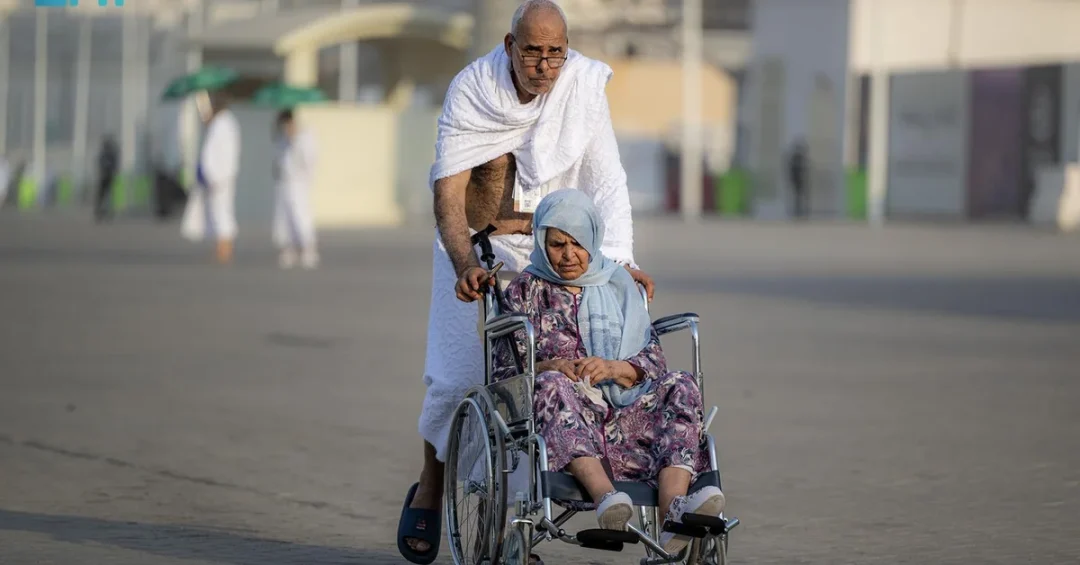
Saudi Arabia has expanded its services for elderly pilgrims and pilgrims with disabilities during Hajj 2024, under the guidance of the Saudi leadership. The Ministry of Hajj and Umrah, in collaboration with government and private entities, has implemented a range of accessibility measures to ensure a safe and fulfilling Hajj experience for all pilgrims. These initiatives reflect the Kingdom’s commitment to inclusivity and its dedication to serving every guest of God.
Context and Background
Hajj, the annual Islamic pilgrimage to Mecca, is one of the largest religious gatherings in the world, attracting millions of pilgrims from diverse backgrounds. Among them are elderly individuals and people with disabilities, who often face unique challenges during the rigorous rituals. Recognizing these challenges, Saudi Arabia has consistently worked to improve accessibility and support services. The Ministry of Hajj and Umrah, under the directives of the Saudi leadership, has made it a priority to cater to the needs of these pilgrims, ensuring they can perform their religious duties with dignity and ease.
Key Details
This year, the ministry has introduced several upgrades at the holy sites. These include buses equipped with specialized equipment to accommodate pilgrims with mobility issues, clearly marked routes for the stoning of the Jamarat, and accessible pathways throughout the holy sites. Dedicated medical and health teams accompany pilgrims with disabilities throughout their journey, providing immediate care when needed. A network of over 6,500 trained volunteers is also on hand to assist, focusing on preventing overcrowding and prioritizing the well-being of elderly pilgrims and those with disabilities. Support includes preferential entry to and exit from the holy sites, priority boarding on buses, and general assistance.
Abdullah Al-Harbi, Director General of Social Responsibility and Voluntary Work at the Ministry of Hajj and Umrah, highlighted the ministry’s dedication to providing the most effective services for a smooth and enriching Hajj experience. Khalid Khabrani, Spokesperson for the Authority of People with Disability, noted that the authority is working closely with other Hajj stakeholders to ensure accessibility for pilgrims with various needs. Services include sign language translation, electric wheelchairs, and copies of the Quran in Braille.
Implications and Impact
These comprehensive measures demonstrate Saudi Arabia’s commitment to making Hajj truly inclusive. By addressing the specific needs of elderly pilgrims and those with disabilities, the Kingdom ensures that all pilgrims can focus on their spiritual journey without undue hardship. This approach not only enhances the Hajj experience for these individuals but also sets a global standard for accessibility in large-scale religious events. The collaboration between government agencies and private entities showcases the effectiveness of coordinated efforts in delivering high-quality services. Furthermore, the ministry’s support extends beyond Hajj, with year-round programs for first-time Umrah performers with newly acquired motor disabilities, including guided rituals and visits to significant landmarks in Makkah.
Vision 2030 Alignment
These initiatives are aligned with Saudi Vision 2030, which aims to enhance the quality of life for all and promote social inclusion. By ensuring that elderly pilgrims and pilgrims with disabilities can fully participate in Hajj, Saudi Arabia reinforces its role as a compassionate and capable host, dedicated to serving all pilgrims with dignity and respect. This commitment not only strengthens the spiritual significance of Hajj but also contributes to the Kingdom’s broader goals of becoming a global leader in accessibility and inclusive services.
20 Questions
Q1. What has Saudi Arabia done to improve Hajj services for elderly pilgrims and pilgrims with disabilities?
A1. Saudi Arabia has expanded services including accessible buses, marked routes, medical teams, and trained volunteers to ensure a safe and fulfilling Hajj experience for all pilgrims, regardless of age or ability.
Q2. Which Saudi ministry is responsible for these improvements?
A2. The Ministry of Hajj and Umrah is leading the efforts, in collaboration with government and private entities, under the guidance of the Saudi leadership.
Q3. How many volunteers are assisting pilgrims during Hajj?
A3. Over 6,500 volunteers are trained to assist pilgrims, prevent overcrowding, and prioritize the well-being of elderly pilgrims and those with disabilities.
Q4. What specific accessibility features have been added at the holy sites?
A4. Upgrades include buses with specialized equipment, clearly marked routes for stoning the Jamarat, and accessible pathways throughout the holy sites to facilitate movement for all pilgrims.
Q5. Who is Abdullah Al-Harbi and what did he say about the services?
A5. Abdullah Al-Harbi is the Director General of Social Responsibility and Voluntary Work at the Ministry of Hajj and Umrah. He highlighted the ministry’s dedication to providing effective services for a smooth Hajj experience.
Q6. What role does the Authority of People with Disability play in Hajj?
A6. The authority works closely with Hajj stakeholders to ensure accessibility, providing sign language translation, electric wheelchairs, and Braille Qurans, among other services.
Q7. What did Khalid Khabrani say about the authority’s efforts?
A7. Khalid Khabrani, spokesperson for the Authority of People with Disability, stated that the authority collaborates with partners to ensure accessibility for pilgrims with various needs and continuously improves its services.
Q8. How does Saudi Arabia support pilgrims with disabilities beyond Hajj?
A8. The Ministry of Hajj and Umrah offers year-round programs for first-time Umrah performers with newly acquired motor disabilities, including guided rituals and visits to significant landmarks in Makkah.
Q9. What is the significance of these measures for Saudi Arabia’s global image?
A9. These measures showcase Saudi Arabia’s commitment to inclusivity and accessibility, enhancing its reputation as a compassionate host and a global leader in serving pilgrims with diverse needs.
Q10. How do these services align with Saudi Vision 2030?
A10. They align with Vision 2030’s goals of enhancing quality of life and promoting social inclusion, reinforcing Saudi Arabia’s dedication to serving all pilgrims with dignity and respect.
Q11. Are there medical teams specifically for pilgrims with disabilities?
A11. Yes, dedicated medical and health teams accompany pilgrims with disabilities throughout their journey to provide immediate care and support as needed.
Q12. What is the procedure for stoning the Jamarat for pilgrims with disabilities?
A12. Clearly marked routes have been established for the stoning ritual, making it easier for pilgrims with disabilities to perform this rite safely and comfortably.
Q13. How does Saudi Arabia ensure that volunteers are properly trained?
A13. Volunteers receive training to prevent overcrowding, assist elderly and disabled pilgrims, and prioritize their well-being, ensuring a smooth and safe Hajj experience for all.
Q14. What transportation options are available for pilgrims with mobility challenges?
A14. Buses equipped with specialized equipment are available, along with priority boarding, to facilitate movement between the holy sites for pilgrims with mobility challenges.
Q15. Does the ministry track the effectiveness of these services?
A15. Yes, the Authority of People with Disability monitors transportation, communication, healthcare, and Hajj campaigns to ensure accessibility and address any issues, with continuous improvements based on pilgrim needs.
Q16. What are the year-round programs for Umrah performers with disabilities?
A16. The Ministry of Hajj and Umrah offers programs specifically for first-time Umrah performers with newly acquired motor disabilities, providing guided rituals and visits to significant landmarks in Makkah.
Q17. How does Saudi Arabia’s approach to accessibility compare globally?
A17. Saudi Arabia’s comprehensive measures set a global standard for accessibility in large-scale religious events, demonstrating leadership in inclusive services and infrastructure.
Q18. What is the significance of sign language translation and Braille Qurans?
A18. These services ensure that pilgrims with hearing or visual impairments can fully participate in Hajj rituals, reflecting Saudi Arabia’s commitment to leaving no pilgrim behind.
Q19. How does the collaboration between government and private entities enhance Hajj services?
A19. Collaboration allows for coordinated efforts, pooling resources and expertise to deliver high-quality services efficiently, ensuring that all pilgrims receive the support they need.
Q20. What message does Saudi Arabia’s inclusive Hajj send to the world?
A20. It sends a message of compassion, inclusivity, and respect for all pilgrims, reinforcing the Kingdom’s role as a caring host and its dedication to serving humanity regardless of age or ability.
Reader Feedback
We value your thoughts. Please share your feedback on this article.
Your feedback helps us improve our coverage.