


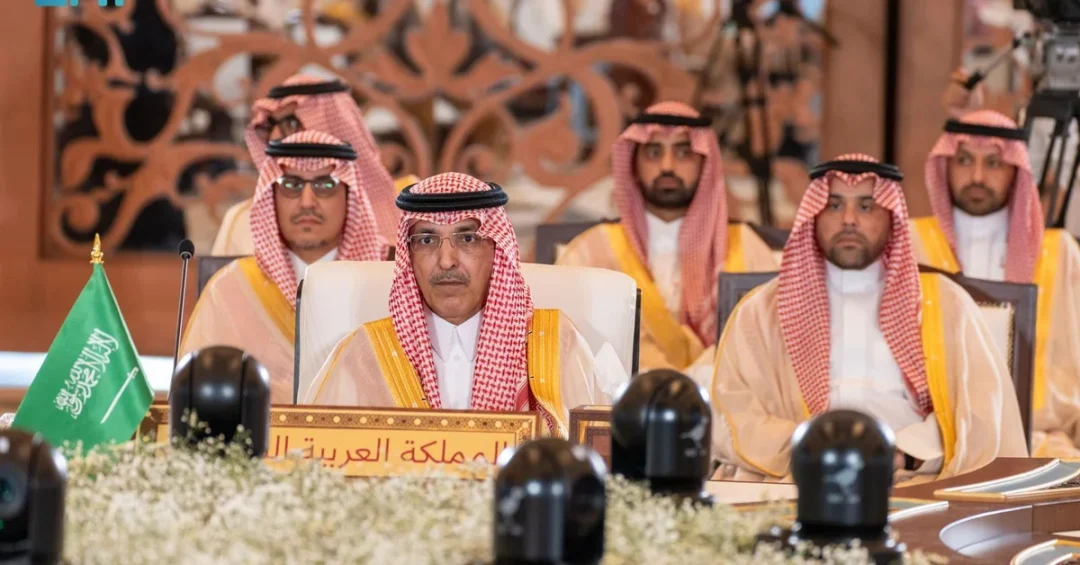
Minister of Finance Mohammed Aljadaan led the Kingdom of Saudi Arabia’s delegation at the 121st meeting of the Gulf Cooperation Council (GCC) Financial and Economic Cooperation Committee, held in Doha, Qatar, on May 30, 2024. The high-level gathering brought together finance ministers from across the Gulf region to advance financial and economic integration, reflecting Saudi Arabia’s active role in fostering regional cooperation and stability.
Context and Background
The GCC Financial and Economic Cooperation Committee serves as a key platform for coordinating fiscal policies and economic strategies among member states. This 121st session, chaired by Qatari Minister of Finance Ali Al-Kuwari, was attended by finance ministers from all GCC countries, including the Kingdom of Saudi Arabia, as well as GCC Secretary-General Jasem Mohamed Albudaiwi. Such meetings are essential for aligning efforts to achieve sustainable development and economic diversification, goals that are central to Saudi Arabia’s Vision 2030.
In recent years, the GCC has intensified its efforts to deepen economic ties, with a focus on harmonizing regulations, enhancing trade flows, and promoting investment. The committee’s work supports these objectives by providing a forum for discussing joint initiatives and addressing common challenges. Saudi Arabia, as the largest GCC economy, plays a pivotal role in driving these efforts forward.
Key Details
During the meeting, participants discussed a range of issues aimed at strengthening financial and economic cooperation between GCC countries. The committee reviewed recommendations from the GCC Undersecretaries of Ministries of Finance Committee and received updates on the latest developments from the Secretariat General. A significant portion of the discussion was dedicated to the findings of the GCC Customs Union Authority, focusing on optimizing its operations and empowering it to fulfill its mandate in line with best practices.
The customs union is a cornerstone of GCC economic integration, designed to facilitate seamless trade among member states by eliminating tariffs and harmonizing customs procedures. Enhancing its efficiency is expected to boost intra-regional trade, reduce costs for businesses, and attract foreign investment. The committee’s deliberations underscored the importance of continuous improvement in these areas to meet the evolving needs of the region’s economies.
Implications and Impact
The outcomes of this meeting carry significant implications for the Gulf region and beyond. Strengthened financial and economic cooperation among GCC countries can lead to greater economic resilience, increased competitiveness, and enhanced attractiveness to global investors. For Saudi Arabia, these efforts complement its national transformation agenda, which seeks to diversify the economy away from oil dependence and foster a vibrant private sector.
Moreover, a more integrated GCC can amplify the region’s voice in international economic forums and negotiations, promoting stability and prosperity. The focus on optimizing the customs union aligns with global trends toward streamlined trade and digitalization, positioning the Gulf as a leader in economic modernization.
Vision 2030 Alignment
Saudi Arabia’s participation in the GCC Financial and Economic Cooperation Committee directly supports Vision 2030, the Kingdom’s ambitious blueprint for economic diversification and social development. By working with regional partners to enhance economic integration, Saudi Arabia advances its goals of increasing non-oil revenues, boosting trade, and creating a business-friendly environment. These collaborative efforts also reinforce the Kingdom’s leadership role in the region and its commitment to sustainable development. As Vision 2030 progresses, such regional partnerships will be crucial in unlocking new opportunities and ensuring long-term prosperity for Saudi Arabia and its Gulf neighbors.
20 Questions
Q1. What was the main purpose of the 121st GCC Financial and Economic Cooperation Committee meeting?
A1. The meeting aimed to strengthen financial and economic cooperation among GCC countries, discussing key issues such as customs union optimization and reviewing recommendations from undersecretaries.
Q2. Who led the Saudi delegation to the meeting?
A2. Minister of Finance Mohammed Aljadaan headed the Kingdom of Saudi Arabia’s delegation, representing the Kingdom’s interests in regional financial discussions.
Q3. Where and when was the meeting held?
A3. The meeting took place in Doha, Qatar, on May 30, 2024, bringing together finance ministers from all GCC member states.
Q4. Who chaired the meeting?
A4. Qatari Minister of Finance Ali Al-Kuwari chaired the meeting, which was attended by finance ministers and the GCC Secretary-General.
Q5. What is the GCC Financial and Economic Cooperation Committee?
A5. It is a key platform for GCC finance ministers to coordinate fiscal policies, enhance economic integration, and address common challenges facing the region.
Q6. What was discussed regarding the GCC Customs Union Authority?
A6. The committee discussed optimizing the authority’s work and empowering it to carry out its functions according to best practices to meet its requirements.
Q7. How does this meeting support Saudi Arabia’s Vision 2030?
A7. It advances economic diversification and regional integration, aligning with Vision 2030 goals to boost non-oil revenues and create a business-friendly environment.
Q8. Who is the GCC Secretary-General?
A8. Jasem Mohamed Albudaiwi serves as the GCC Secretary-General and participated in the meeting to provide updates on the Secretariat General’s latest developments.
Q9. What are the expected benefits of enhancing the GCC Customs Union?
A9. It is expected to facilitate seamless trade, reduce costs for businesses, attract foreign investment, and boost intra-regional trade among GCC countries.
Q10. How does Saudi Arabia benefit from GCC economic cooperation?
A10. As the largest GCC economy, Saudi Arabia benefits from increased trade, investment opportunities, and a stronger regional voice in international economic forums.
Q11. What role does the GCC Undersecretaries of Ministries of Finance Committee play?
A11. It provides recommendations to the finance ministers, helping to shape policies and initiatives that drive financial and economic integration across the Gulf region.
Q12. Why is regional economic integration important for the GCC?
A12. It enhances economic resilience, competitiveness, and attractiveness to global investors, promoting stability and prosperity across member states.
Q13. What are the key focus areas of the GCC Financial and Economic Cooperation Committee?
A13. The committee focuses on fiscal policy coordination, trade facilitation, customs union optimization, and other initiatives to deepen economic ties.
Q14. How often does the committee meet?
A14. The committee meets regularly, with this being the 121st meeting, indicating a long-standing tradition of cooperation among GCC finance ministers.
Q15. What is the significance of Saudi Arabia’s participation in this meeting?
A15. It demonstrates the Kingdom’s commitment to regional cooperation and its leadership role in advancing economic integration and sustainable development in the Gulf.
Q16. What are the implications of the meeting for international investors?
A16. Enhanced GCC economic integration can create a more attractive investment environment, with streamlined regulations and improved trade facilitation, benefiting international investors.
Q17. How does the customs union relate to Vision 2030?
A17. An efficient customs union supports Vision 2030 by boosting trade and economic diversification, key pillars of the Kingdom’s transformation agenda.
Q18. What best practices were discussed for the customs union?
A18. The committee discussed optimizing work processes and empowering the authority to fulfill its functions in line with international best practices for customs administration.
Q19. What other topics were on the agenda?
A19. The agenda included reviewing recommendations from undersecretaries and updates from the Secretariat General, focusing on strengthening financial and economic cooperation.
Q20. What is the expected outcome of the meeting?
A20. The meeting is expected to lead to further steps toward economic integration, with follow-up actions to implement the discussed initiatives for the benefit of all GCC countries.
Reader Feedback
We value your thoughts. Please share your feedback on this article.
Your feedback helps us improve our coverage.