


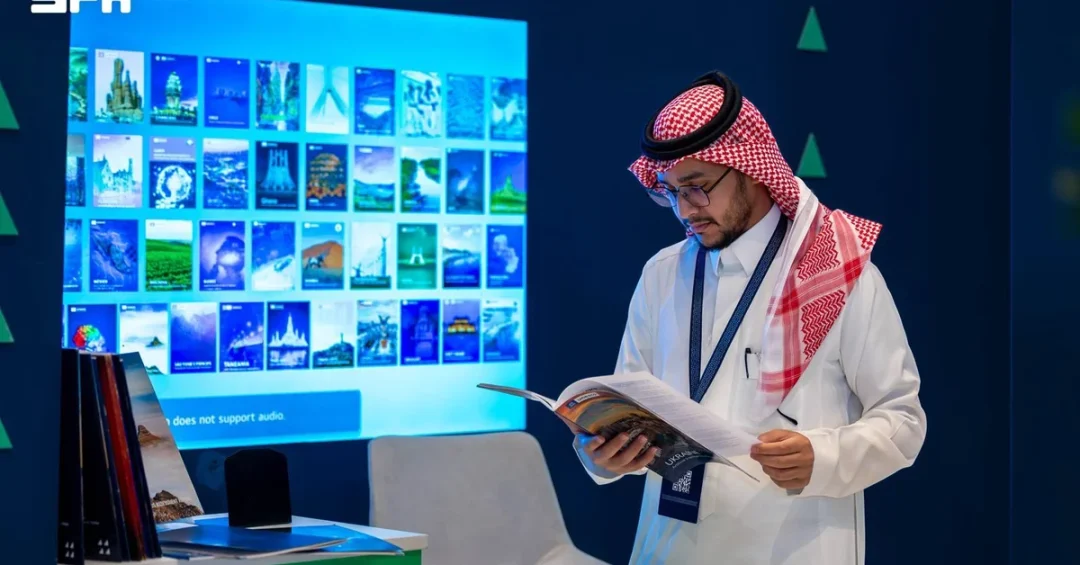
Riyadh hosted an exhibition accompanying the fourth edition of the UNESCO Global Forum on the Ethics of Artificial Intelligence, bringing together government entities, international organizations, and student innovators under one roof. The event, held in the Saudi capital through Thursday, showcased nine main pavilions designed to offer an interactive experience that combined institutional displays with practical applications of AI ethics and technologies, according to the Saudi Press Agency (SPA).
Context and Background
The UNESCO Global Forum on the Ethics of Artificial Intelligence is a leading international platform dedicated to shaping the ethical development and deployment of AI worldwide. The fourth edition, hosted in Riyadh, underscores the Kingdom’s growing role in global dialogues on technology governance and innovation. The accompanying exhibition reflects Saudi Arabia’s commitment to fostering international cooperation and empowering youth, in line with the objectives of Saudi Vision 2030.
The exhibition featured nine main pavilions for participating entities, each designed to provide an interactive experience that highlighted both institutional contributions and practical applications of AI ethics. These pavilions served as a dynamic space for knowledge exchange, allowing visitors to engage with cutting-edge technologies and ethical frameworks.
Key Details
The student pavilions emerged as a focal point of the exhibition, drawing significant interest from forum attendees and specialists alike. Young participants seized the opportunity to present their projects and innovations, engaging directly with international experts and decision-makers in technology and digital ethics. This reflects the forum’s dedication to empowering talented youth and underscoring their role in shaping the future of artificial intelligence.
The exhibition also showcased the efforts of various government entities and international organizations, whose pavilions displayed their work on AI ethics, governance, and practical applications. By bringing together diverse stakeholders, the event facilitated dialogue and collaboration on one of the most pressing issues of our time: ensuring that AI develops in a manner that is ethical, inclusive, and beneficial to all.
Implications and Impact
The exhibition’s emphasis on youth participation signals a forward-looking approach to AI governance, recognizing that the next generation will be both the creators and the custodians of future technologies. By providing a platform for young innovators to interact with global experts, the forum helps bridge the gap between current policy discussions and the fresh perspectives needed to address emerging challenges.
Furthermore, the presence of international organizations and government entities highlights the importance of multilateral cooperation in setting ethical standards for AI. The exhibition served as a tangible demonstration of how collaborative efforts can lead to practical solutions and shared best practices, reinforcing the role of forums like this in building a global consensus on AI ethics.
Vision 2030 Alignment
Saudi Arabia’s hosting of this UNESCO forum and its accompanying exhibition aligns closely with the Kingdom’s Vision 2030, which seeks to diversify the economy, empower youth, and position the nation as a global leader in technology and innovation. By facilitating international dialogue and showcasing local and international talent, the event contributes to the vision’s goals of creating a knowledge-based society and enhancing Saudi Arabia’s standing on the world stage. As AI continues to transform industries and societies, the Kingdom’s proactive engagement ensures it remains at the forefront of ethical and inclusive technological advancement.
20 Questions
Q1. What event took place in Riyadh recently?
A1. Riyadh hosted an exhibition accompanying the fourth edition of the UNESCO Global Forum on the Ethics of Artificial Intelligence, showcasing government, international, and student contributions in AI ethics and technology.
Q2. How many main pavilions were featured at the exhibition?
A2. The exhibition featured nine main pavilions for participating entities, designed to provide an interactive experience combining institutional displays with practical applications of AI ethics and technologies.
Q3. Who participated in the exhibition?
A3. Government entities and international organizations participated alongside student innovators who presented their projects, engaging with experts and decision-makers in technology and digital ethics.
Q4. What was the focus of the student pavilions?
A4. The student pavilions allowed young participants to showcase their projects and innovations, facilitating direct engagement with international experts and decision-makers, reflecting the forum’s commitment to empowering youth.
Q5. Why is the exhibition significant for Saudi Arabia?
A5. It underscores Saudi Arabia’s growing role in global AI ethics discussions and aligns with Vision 2030 goals of fostering innovation, empowering youth, and enhancing international cooperation.
Q6. What does UNESCO stand for?
A6. UNESCO stands for the United Nations Educational, Scientific and Cultural Organization, which leads global efforts on ethics of artificial intelligence, including this forum.
Q7. What is the purpose of the UNESCO Global Forum on the Ethics of AI?
A7. The forum serves as a platform to shape ethical development and deployment of AI worldwide, bringing together stakeholders to discuss governance, best practices, and inclusive technological advancement.
Q8. How did the exhibition combine institutional and practical elements?
A8. The nine pavilions offered interactive experiences that merged institutional displays with practical applications, allowing visitors to see AI ethics in action and understand real-world implementations.
Q9. What role did young participants play?
A9. Young participants showcased their innovations, engaged with experts, and contributed fresh perspectives, highlighting the importance of youth in shaping the future of AI.
Q10. What was the significance of international organizations’ presence?
A10. Their presence emphasized multilateral cooperation in setting ethical standards for AI, demonstrating how collaborative efforts lead to practical solutions and shared best practices globally.
Q11. How does the event reflect Saudi Vision 2030?
A11. It aligns with Vision 2030 by promoting a knowledge-based society, empowering youth, and positioning Saudi Arabia as a leader in technology and ethical innovation on the global stage.
Q12. What kind of projects did students present?
A12. Students presented projects and innovations related to AI ethics and technologies, though specific details were not disclosed in the source material.
Q13. Who attended the exhibition?
A13. Forum visitors, specialists, international experts, and decision-makers in technology and digital ethics attended, engaging with the exhibits and student projects.
Q14. What is the expected impact of the exhibition?
A14. It is expected to foster dialogue, promote ethical AI practices, and inspire collaborative solutions, while empowering youth to contribute to the future of AI.
Q15. How does the exhibition support AI ethics?
A15. By showcasing practical applications and ethical frameworks, the exhibition demonstrates how AI can be developed responsibly, with input from diverse stakeholders including governments, organizations, and youth.
Q16. What is the role of the Saudi Press Agency in this event?
A16. The Saudi Press Agency (SPA) reported on the exhibition, providing official coverage and highlighting key aspects of the forum and its participants.
Q17. Why is youth empowerment important in AI development?
A17. Youth bring innovative ideas and digital fluency, essential for addressing emerging challenges and ensuring AI evolves in inclusive, ethical, and beneficial ways for society.
Q18. What does the term ‘AI ethics’ refer to?
A18. AI ethics involves principles and guidelines that ensure artificial intelligence is developed and used responsibly, respecting human rights, fairness, and societal values.
Q19. How can international cooperation advance AI ethics?
A19. Through shared standards, knowledge exchange, and collaborative initiatives, international cooperation helps align AI development with ethical norms and promotes global inclusivity.
Q20. What future events can we expect from this forum?
A20. The forum will likely continue to convene annually, building on outcomes and fostering further international collaboration on AI ethics, with Saudi Arabia playing a key role.
Reader Feedback
We value your thoughts. Please share your feedback on this article.
Your feedback helps us improve our coverage.