


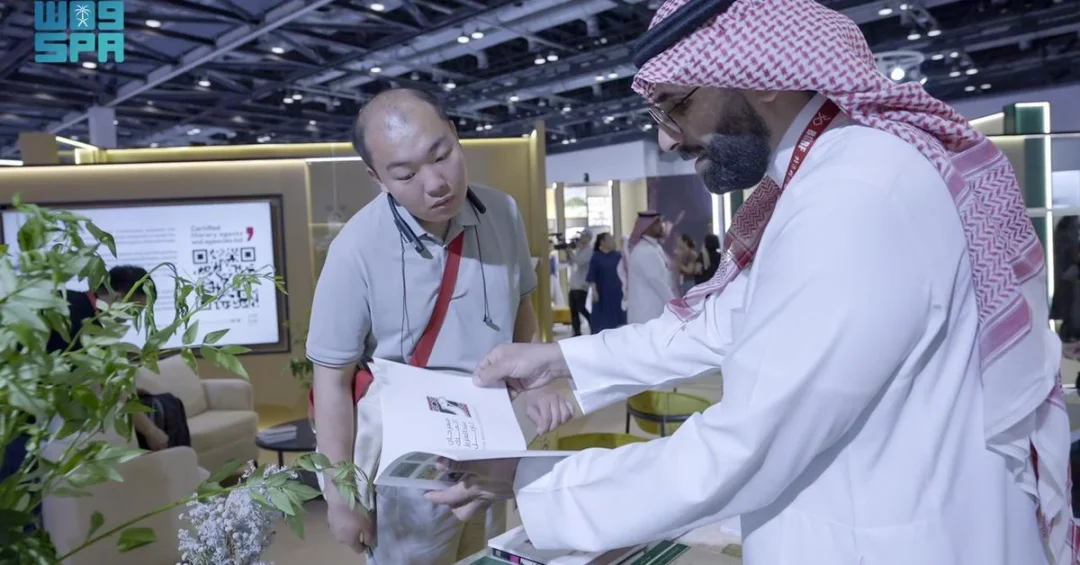
The King Abdulaziz Foundation for Research and Archives (Darah) participated in the Beijing International Book Fair (BIBF) 2024, held in China, as part of the Kingdom of Saudi Arabia’s pavilion, which was the guest of honour at this year’s edition. The foundation showcased its scientific publications in history, geography, and heritage, drawing a large number of visitors and underscoring the deep cultural ties between Saudi Arabia and China.
Context and Background
The Beijing International Book Fair is one of the largest publishing events in Asia, attracting thousands of exhibitors and visitors from around the world. Saudi Arabia’s selection as the guest of honour at BIBF 2024 highlights the Kingdom’s growing cultural diplomacy and its commitment to fostering international dialogue under Vision 2030. The King Abdulaziz Foundation, established in 1972, is a leading institution dedicated to preserving and promoting Saudi Arabia’s rich history and heritage. Its participation in BIBF 2024 reflects the foundation’s mission to share Saudi culture globally and strengthen academic exchanges.
Key Details
During the fair, the foundation’s pavilion attracted a significant number of visitors, including Li Shulei, the Chinese Head of the Publicity Department of the Central Committee, who visited the Saudi pavilion and showed great interest in the foundation’s publications. He purchased a translated book, symbolizing the depth of cultural relations between the two nations. As part of the fair’s accompanying events, the foundation will hold a seminar on Saudi-Chinese relations next Friday, featuring academics and specialists who will discuss cultural and commercial ties. This seminar aims to enhance cooperation in cultural and scientific fields.
Implications and Impact
The participation of the King Abdulaziz Foundation in BIBF 2024 represents a significant step in cultural diplomacy, reinforcing the strong bilateral relationship between Saudi Arabia and China. It provides an opportunity to showcase Saudi Arabia’s historical and cultural heritage to a global audience, fostering mutual understanding and respect. The seminar on Saudi-Chinese relations will further deepen academic and cultural exchanges, paving the way for future collaborations in education, research, and publishing. This engagement aligns with Saudi Arabia’s efforts to diversify its international partnerships and promote its cultural heritage worldwide.
Vision 2030 Alignment
This cultural exchange aligns with Vision 2030, Saudi Arabia’s strategic framework to diversify its economy and enhance its global presence. By participating in international events like BIBF, the Kingdom showcases its cultural richness and strengthens people-to-people ties, which are essential for sustainable partnerships. The King Abdulaziz Foundation’s efforts contribute to the vision’s goals of promoting national identity, fostering international cultural exchange, and building a knowledge-based society. Such initiatives demonstrate Saudi Arabia’s commitment to global engagement and its role as a bridge between cultures.
20 Questions
Q1. What is the King Abdulaziz Foundation for Research and Archives?
A1. The King Abdulaziz Foundation for Research and Archives (Darah) is a Saudi institution established in 1972 to preserve and promote the history and heritage of Saudi Arabia. It collects, documents, and publishes materials related to the Kingdom’s history, geography, and culture.
Q2. What is the Beijing International Book Fair?
A2. The Beijing International Book Fair (BIBF) is one of Asia’s largest publishing events, held annually in Beijing, China. It attracts publishers, authors, and cultural institutions from around the world to showcase books and foster international cultural exchange.
Q3. Why was Saudi Arabia the guest of honour at BIBF 2024?
A3. Saudi Arabia was selected as the guest of honour at BIBF 2024 in recognition of its rich cultural heritage and its growing role in international cultural diplomacy. This honour highlights the Kingdom’s commitment to sharing its culture globally and strengthening ties with China.
Q4. What did the King Abdulaziz Foundation showcase at BIBF 2024?
A4. The foundation showcased its scientific publications in the fields of history, geography, and heritage. These publications reflect the foundation’s dedication to preserving and disseminating Saudi Arabia’s cultural and historical legacy to a global audience.
Q5. Who visited the foundation’s pavilion at BIBF 2024?
A5. Li Shulei, the Chinese Head of the Publicity Department of the Central Committee, visited the foundation’s corner in the Saudi pavilion. He reviewed the publications, admired many of them, and purchased a translated book, symbolizing cultural exchange.
Q6. What is the significance of Li Shulei’s visit?
A6. Li Shulei’s visit signifies the depth of cultural relations between Saudi Arabia and China. His purchase of a translated book demonstrates mutual appreciation and strengthens people-to-people ties, contributing to the broader bilateral relationship between the two nations.
Q7. What seminar will the foundation hold?
A7. The foundation will hold a seminar on Saudi-Chinese relations next Friday as part of the fair’s accompanying events. The seminar will feature academics and specialists discussing cultural and commercial relations between the two countries.
Q8. What topics will the seminar cover?
A8. The seminar will cover various aspects of cultural and commercial relations between Saudi Arabia and China. It aims to enhance cooperation in cultural and scientific fields, providing a platform for academic exchange and mutual understanding.
Q9. How does this participation align with Vision 2030?
A9. This participation aligns with Vision 2030 by promoting cultural exchange, showcasing Saudi heritage globally, and strengthening international partnerships. It supports the vision’s goals of diversifying the economy, fostering global engagement, and building a knowledge-based society.
Q10. What is the historical significance of the King Abdulaziz Foundation?
A10. The King Abdulaziz Foundation is significant for its role in preserving Saudi Arabia’s history and heritage. It houses a vast collection of documents, manuscripts, and publications that document the Kingdom’s development and cultural legacy.
Q11. How many visitors attended the foundation’s pavilion?
A11. The foundation’s pavilion saw a large number of visitors, reflecting strong interest in its distinguished publications. The high attendance demonstrates the global appeal of Saudi Arabia’s cultural and historical heritage.
Q12. What types of publications did the foundation display?
A12. The foundation displayed scientific publications in history, geography, and heritage. These works are the result of extensive research and documentation, offering valuable insights into Saudi Arabia’s past and cultural identity.
Q13. What does the purchase of a translated book signify?
A13. The purchase of a translated book by Li Shulei signifies the appreciation of Saudi culture in China and the effectiveness of cultural diplomacy. It highlights the role of translations in bridging cultural gaps and fostering mutual understanding.
Q14. How does this event strengthen Saudi-Chinese relations?
A14. This event strengthens Saudi-Chinese relations by facilitating cultural and academic exchange. It builds trust and mutual respect, which are essential for deepening cooperation in various fields, including trade, education, and research.
Q15. What is the role of cultural diplomacy in Saudi foreign policy?
A15. Cultural diplomacy is a key component of Saudi foreign policy, as it promotes the Kingdom’s image abroad, fosters people-to-people ties, and supports broader diplomatic and economic objectives. It is an integral part of Vision 2030’s global engagement strategy.
Q16. What other Saudi entities participated in BIBF 2024?
A16. Various Saudi cultural and publishing entities participated in BIBF 2024 as part of the Kingdom’s pavilion. Their collective presence showcased Saudi Arabia’s diverse cultural landscape and publishing industry, reinforcing the Kingdom’s role as a cultural hub.
Q17. How does the foundation preserve Saudi history?
A17. The foundation preserves Saudi history by collecting, documenting, and archiving historical materials, including manuscripts, photographs, and official records. It also publishes research and organizes exhibitions to educate the public about the Kingdom’s heritage.
Q18. What impact does BIBF have on global publishing?
A18. BIBF serves as a major platform for global publishing, facilitating rights sales, translations, and international collaborations. It promotes cultural diversity and provides opportunities for publishers to expand their reach in the Chinese and Asian markets.
Q19. How can international audiences access the foundation’s publications?
A19. International audiences can access the foundation’s publications through its official website, book fairs, and partner institutions. Many works are available in multiple languages, making Saudi heritage accessible to a global readership.
Q20. What future collaborations are expected between Saudi Arabia and China?
A20. Future collaborations are expected to expand in areas such as cultural exchange, education, research, and trade. The seminar on Saudi-Chinese relations will explore new avenues for cooperation, building on the strong foundation of existing ties.
Reader Feedback
We value your thoughts. Please share your feedback on this article.
Your feedback helps us improve our coverage.