


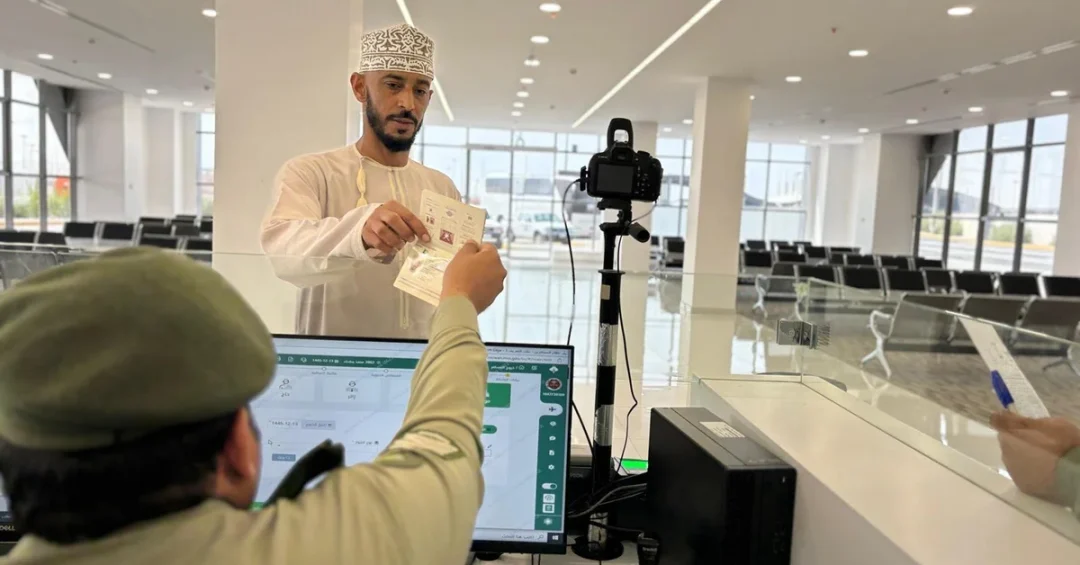
The General Directorate of Passports is continuing to finalize departure procedures for Hajj pilgrims at Al-Batha port in the Eastern Region, as part of its efforts to ensure a smooth and efficient journey for pilgrims returning home after completing the Hajj rituals.
Context and Background
The General Directorate of Passports, a key agency under the Ministry of Interior, has reaffirmed its readiness at various international ports across the Kingdom to process the departure of pilgrims. This initiative is part of Saudi Arabia’s commitment to providing exceptional services to Hajj pilgrims, reflecting the leadership’s dedication to facilitating the annual pilgrimage. Al-Batha port, located in the Eastern Region, is one of the major exit points for pilgrims traveling by land, particularly those from neighboring Gulf countries.
The Hajj season, which concluded recently, saw millions of pilgrims from around the world perform the sacred rituals. The Passports Directorate’s efforts are aligned with the Kingdom’s broader strategy to enhance the pilgrim experience, a cornerstone of Saudi Vision 2030.
Key Details
According to the Saudi Press Agency (SPA), the Passports Directorate has reinforced its platforms with additional manpower and advanced technical equipment to ensure that all necessary services are available for a seamless departure process. This includes the deployment of trained personnel and the use of cutting-edge technology to expedite immigration and customs procedures.
The Directorate emphasized that its teams are working around the clock at Al-Batha and other ports to handle the high volume of departing pilgrims. The measures taken are designed to minimize wait times and provide a comfortable experience for pilgrims as they conclude their spiritual journey.
Implications and Impact
The efficient processing of pilgrims at Al-Batha port has significant implications for regional travel and bilateral relations. Many pilgrims departing through this port are citizens of Gulf Cooperation Council (GCC) countries, and their smooth passage underscores the strong ties between Saudi Arabia and its neighbors. Moreover, the streamlined procedures enhance the Kingdom’s reputation as a hospitable and organized host for the annual Hajj, which is one of the largest mass gatherings in the world.
International observers have noted that Saudi Arabia’s ability to manage the logistics of Hajj, including the departure phase, demonstrates its logistical capabilities and commitment to safety and security. This, in turn, boosts confidence among pilgrims and their home countries, encouraging more people to undertake the pilgrimage in the future.
Vision 2030 Alignment
The Passports Directorate’s efforts are directly aligned with Saudi Vision 2030, which aims to enhance the quality of services provided to pilgrims and visitors. By leveraging technology and improving operational efficiency, the Kingdom is not only fulfilling its religious duty but also showcasing its modernization and hospitality. These initiatives contribute to the broader goal of increasing the number of pilgrims and enhancing the overall experience, thereby supporting economic diversification and cultural exchange.
20 Questions
Q1. What is the main focus of the General Directorate of Passports at Al-Batha port?
A1. The Directorate is finalizing departure procedures for Hajj pilgrims at Al-Batha port in the Eastern Region, ensuring a smooth and efficient exit for pilgrims returning home after completing their Hajj rituals.
Q2. Where is Al-Batha port located?
A2. Al-Batha port is located in the Eastern Region of Saudi Arabia. It serves as a key exit point for pilgrims, especially those traveling by land to neighboring Gulf countries.
Q3. Which agency is responsible for the departure procedures?
A3. The General Directorate of Passports, under the Ministry of Interior, is responsible for overseeing and executing the departure procedures for pilgrims at all international ports, including Al-Batha.
Q4. What measures has the Directorate taken to facilitate departures?
A4. The Directorate has reinforced its platforms with additional manpower and advanced technical equipment to provide all necessary services, ensuring a smooth and easy departure process for pilgrims.
Q5. Why is the departure process important for pilgrims?
A5. An efficient departure process ensures that pilgrims can return home comfortably and without delays, concluding their spiritual journey on a positive note and reflecting Saudi Arabia’s hospitality.
Q6. How does this initiative align with Saudi Vision 2030?
A6. It aligns with Vision 2030 by enhancing the quality of services for pilgrims, leveraging technology, and improving operational efficiency, which supports the goals of economic diversification and cultural exchange.
Q7. What is the significance of Al-Batha port for regional travel?
A7. Al-Batha port is a major land exit for pilgrims from Gulf Cooperation Council countries, and its efficient operation underscores the strong ties between Saudi Arabia and its neighbors.
Q8. How many pilgrims typically use Al-Batha port for departure?
A8. The port handles a significant number of pilgrims, particularly those from neighboring Gulf countries. The exact number varies annually based on the total number of Hajj participants.
Q9. What technology is used to expedite procedures at the port?
A9. The Directorate utilizes advanced technical equipment, including biometric systems and digital platforms, to streamline immigration and customs processes for pilgrims.
Q10. How does the Directorate ensure round-the-clock service?
A10. The Directorate has deployed additional manpower and operates in shifts to ensure that services are available 24/7 during the peak departure period, minimizing wait times for pilgrims.
Q11. What role does the Ministry of Interior play in Hajj operations?
A11. The Ministry of Interior oversees all security and logistical aspects of Hajj, including the departure procedures managed by the General Directorate of Passports, ensuring safety and order.
Q12. How does the smooth departure of pilgrims impact Saudi Arabia’s international image?
A12. It enhances the Kingdom’s reputation as a well-organized and hospitable host, demonstrating its capability to manage large-scale events and boosting confidence among international pilgrims.
Q13. Are there other ports where similar procedures are being implemented?
A13. Yes, the Directorate is implementing similar measures at all international ports across the Kingdom, including airports and land crossings, to ensure consistency and efficiency.
Q14. What challenges might arise during the departure process?
A14. Challenges include managing large crowds and ensuring security, but the Directorate’s reinforced manpower and technology are designed to address these effectively and maintain a smooth flow.
Q15. How does the Directorate coordinate with other agencies?
A15. The Directorate collaborates with various government agencies, including the Ministry of Hajj and Umrah and security forces, to ensure a seamless and coordinated departure process for pilgrims.
Q16. What feedback have pilgrims given about the departure process?
A16. Pilgrims have generally expressed satisfaction with the efficient and organized procedures, praising the Kingdom’s efforts to facilitate their journey and ensure their comfort.
Q17. How does this initiative support the goals of Saudi Vision 2030?
A17. It supports Vision 2030 by improving pilgrim services, enhancing the Kingdom’s logistical capabilities, and contributing to the goal of increasing the number of pilgrims and visitors.
Q18. What is the expected duration for pilgrims to complete departure procedures?
A18. The Directorate aims to complete procedures swiftly, with most pilgrims processed within a short time frame, thanks to the enhanced manpower and technology deployed at the port.
Q19. How does the Directorate handle pilgrims with special needs?
A19. The Directorate provides dedicated assistance and priority services for pilgrims with special needs, ensuring that their departure is comfortable and dignified.
Q20. What message does this send to the international community?
A20. It demonstrates Saudi Arabia’s commitment to fulfilling its religious duties with excellence, showcasing its modernization, hospitality, and ability to manage large-scale events efficiently.
Reader Feedback
We value your thoughts. Please share your feedback on this article.
Your feedback helps us improve our coverage.
Related articles
 Saudi Royal Directive Shortens Friday Sermon at Two Holy Mosques
 Jazan Border Guards Foil 80 Kg Khat Smuggling Attempt
 Saudi Ministry Distributes 13,950 Holy Qurans at King Fahd Causeway
 Al-Zamazemah Distributes 1.6M Zamzam Water Bottles to Pilgrims
 Saudi Pavilion Achieves Success at Defense and Security EUROSATORY 2024
 stc Group Boosts Madinah Network for Pilgrims